About this artwork
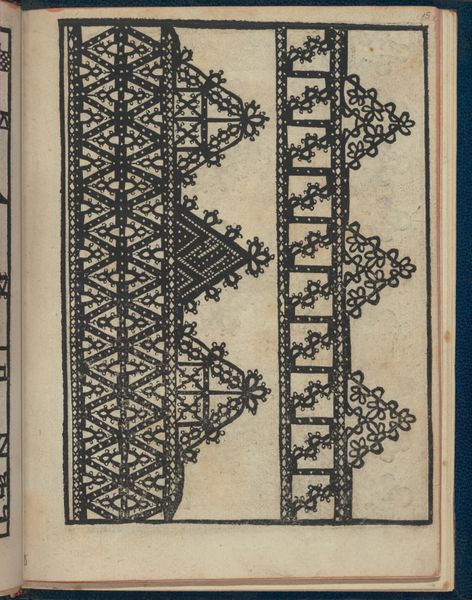
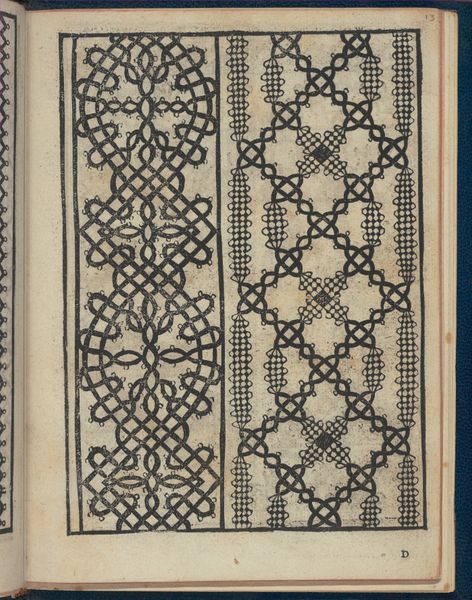
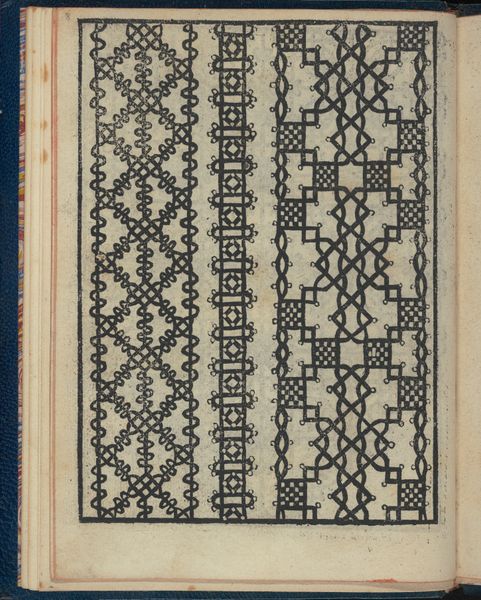
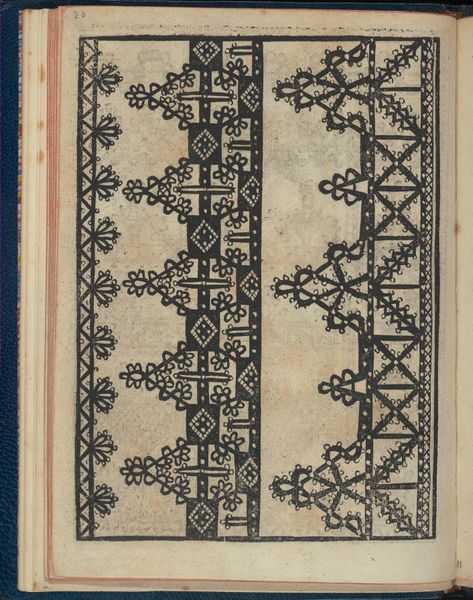
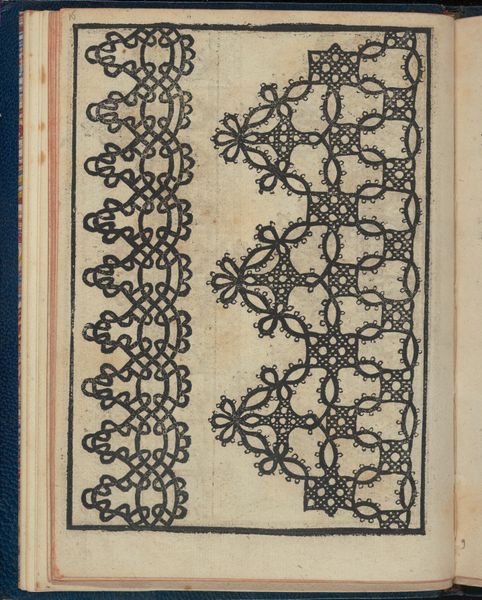
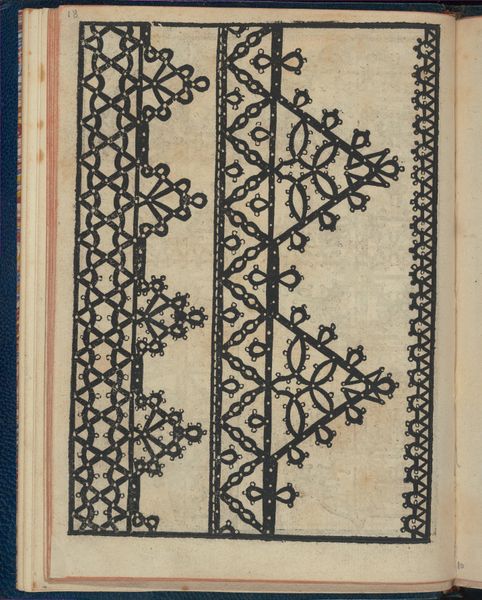
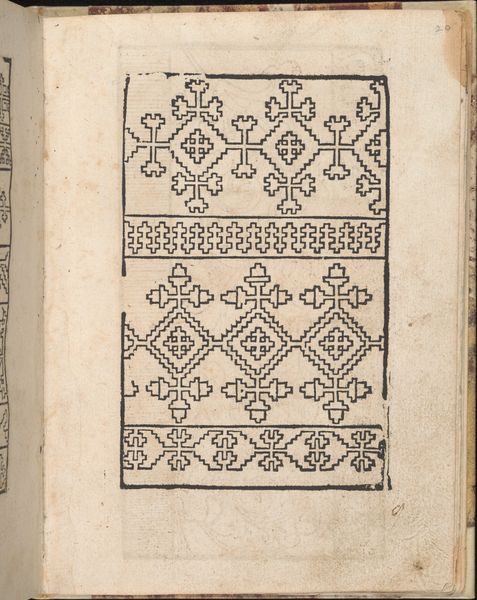
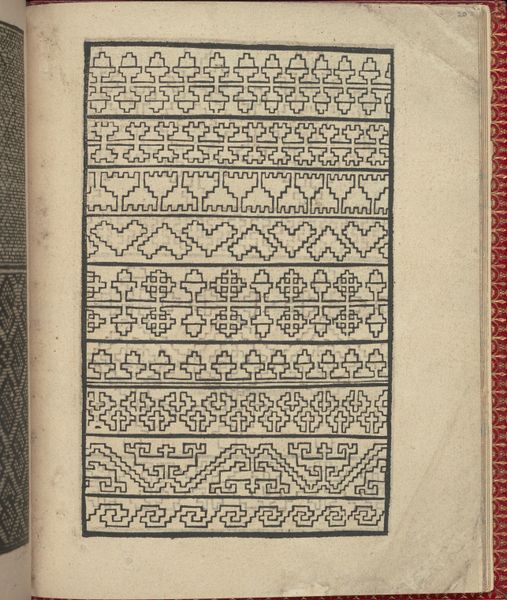
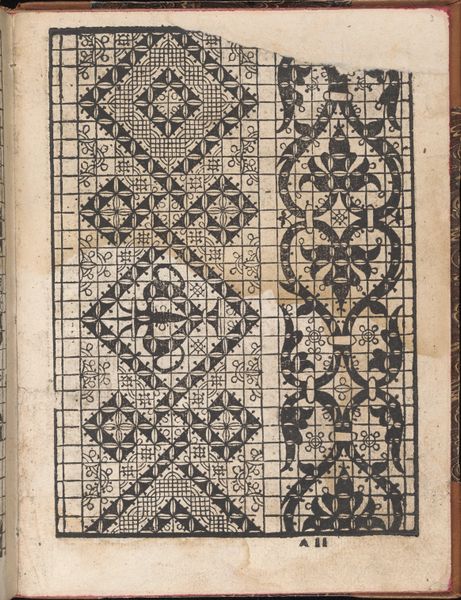
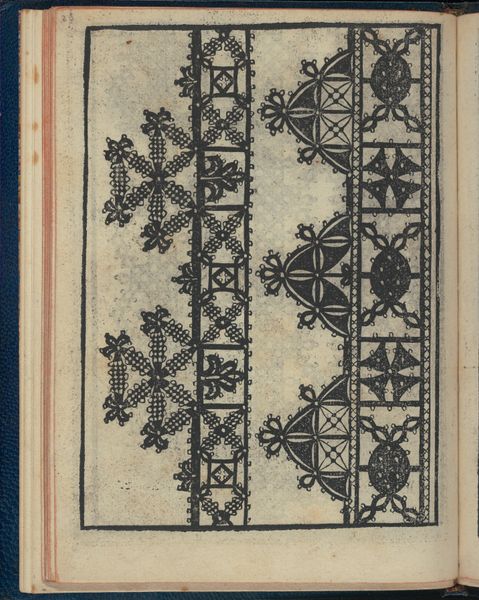
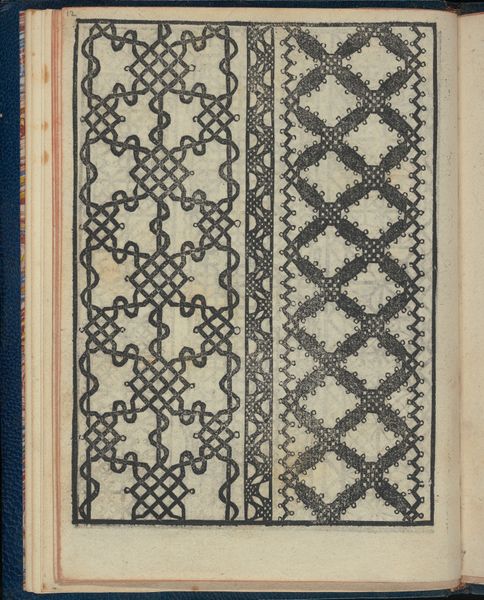
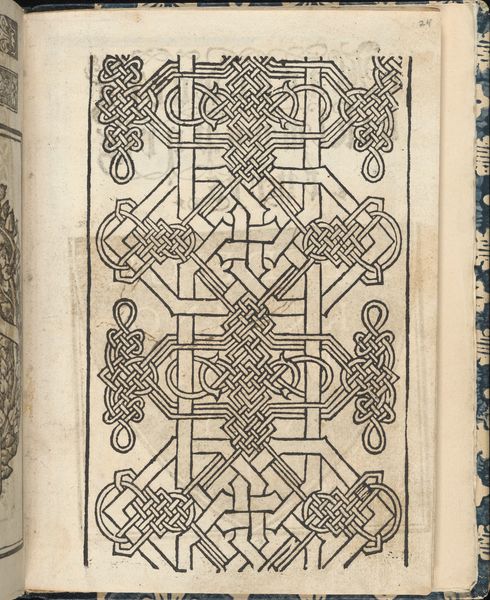
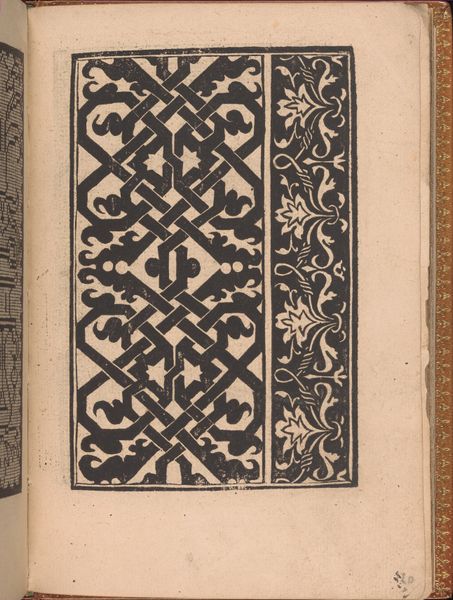
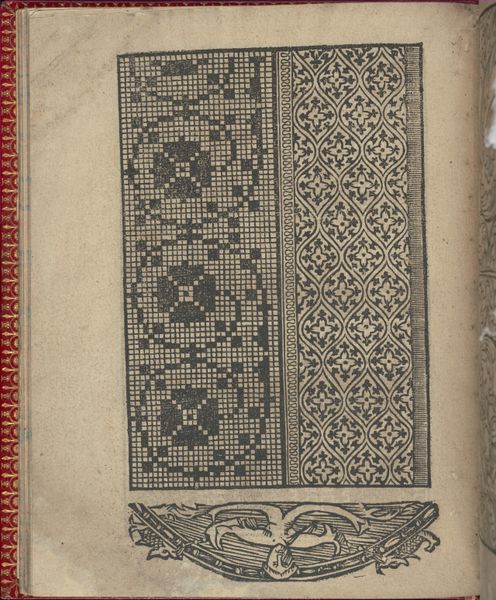
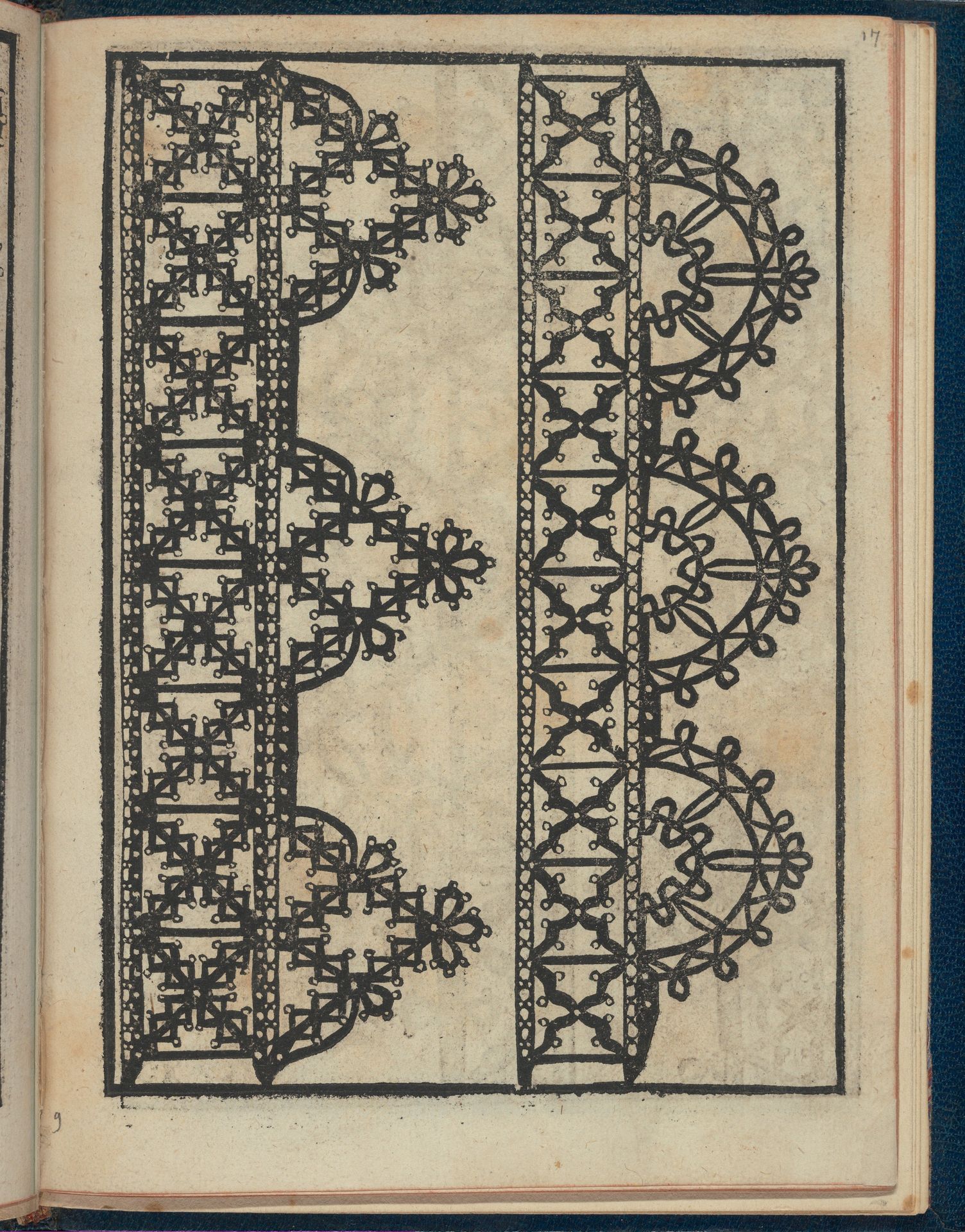
This is page 9 from ‘Le Pompe: Opera Nova,’ printed in Venice by Giovanni Battista and Marchio Sessa. It's made with woodcut on paper, a relatively low-cost method of reproducing images. These aren’t artworks in themselves, but rather patterns intended to guide lacemakers. The designs demonstrate a mastery of geometry, transformed into a complex series of forms and voids, which are both elegant and functional. Lacemaking itself, of course, was exacting, demanding countless hours of labor and a high degree of skill. These pattern books were part of a burgeoning industry, as lace became increasingly fashionable. Its production offered an important source of income, especially for women. The wearers of lace broadcast their wealth, while the makers remained largely anonymous. So, next time you see a piece of antique lace, remember not only its beauty, but also the complex social relations that it embodies. It’s a reminder that even the most delicate objects can be understood as products of labor, commerce, and creativity.
Le Pompe: Opera Nova, page 9 (recto) 1557

Giovanni Battista & Marchio Sessa
@giovannibattistamarchiosessa
The Metropolitan Museum of Art
Metropolitan Museum of Art, New York, NYArtwork details
- Medium
- drawing, graphic-art, ornament, print
- Dimensions
- Overall: 8 1/16 x 5 7/8 in. (20.5 x 15 cm)
- Location
- Metropolitan Museum of Art, New York, NY
- Copyright
- Public Domain
Tags
drawing
graphic-art
ornament
toned paper
book
tile art
coloured pencil
geometric
decorative-art
italian-renaissance
Comments
No comments
About this artwork
This is page 9 from ‘Le Pompe: Opera Nova,’ printed in Venice by Giovanni Battista and Marchio Sessa. It's made with woodcut on paper, a relatively low-cost method of reproducing images. These aren’t artworks in themselves, but rather patterns intended to guide lacemakers. The designs demonstrate a mastery of geometry, transformed into a complex series of forms and voids, which are both elegant and functional. Lacemaking itself, of course, was exacting, demanding countless hours of labor and a high degree of skill. These pattern books were part of a burgeoning industry, as lace became increasingly fashionable. Its production offered an important source of income, especially for women. The wearers of lace broadcast their wealth, while the makers remained largely anonymous. So, next time you see a piece of antique lace, remember not only its beauty, but also the complex social relations that it embodies. It’s a reminder that even the most delicate objects can be understood as products of labor, commerce, and creativity.
Comments
No comments