Landscape

Listen to curator's interpretation
Curatorial notes
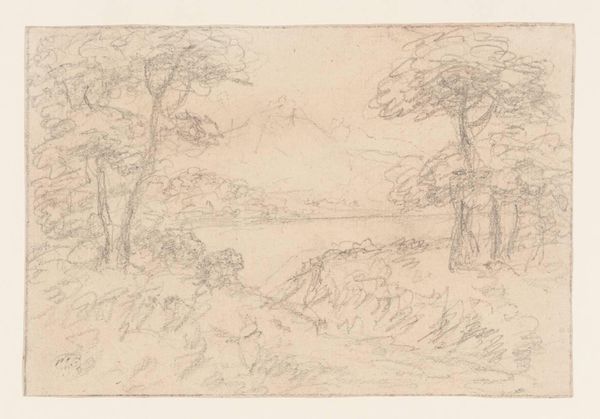
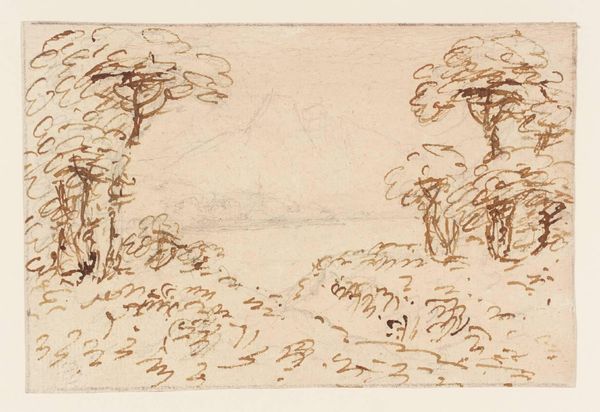
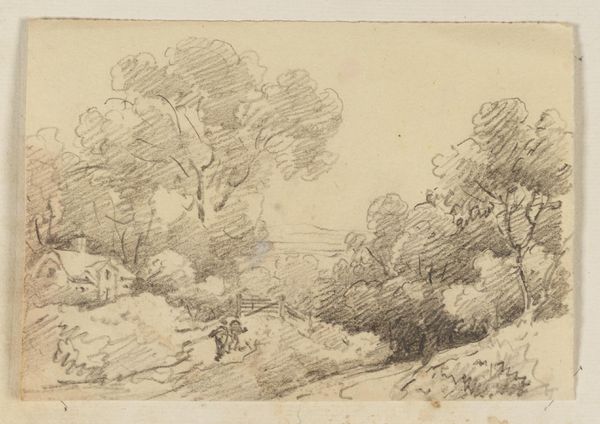
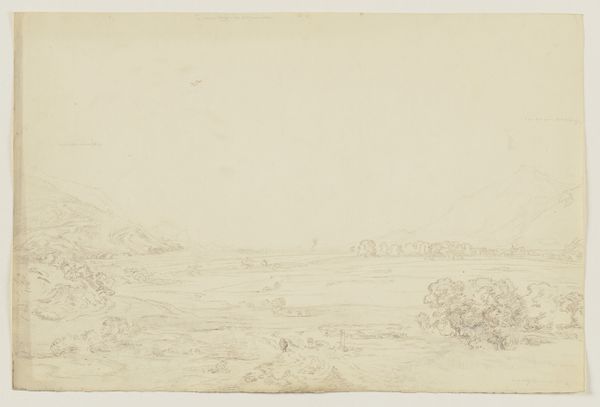
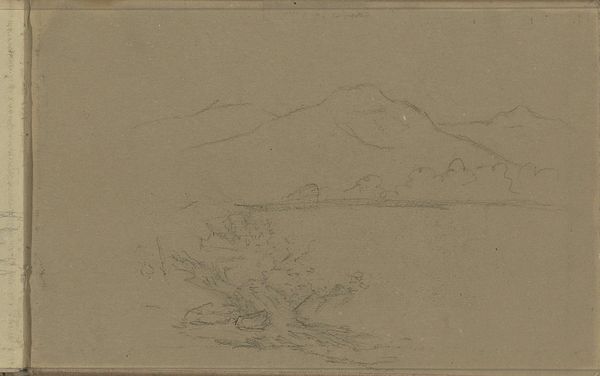
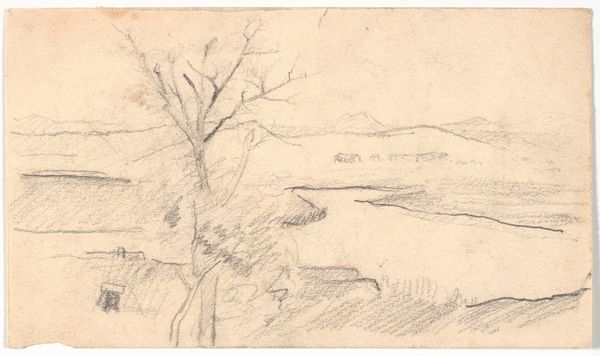
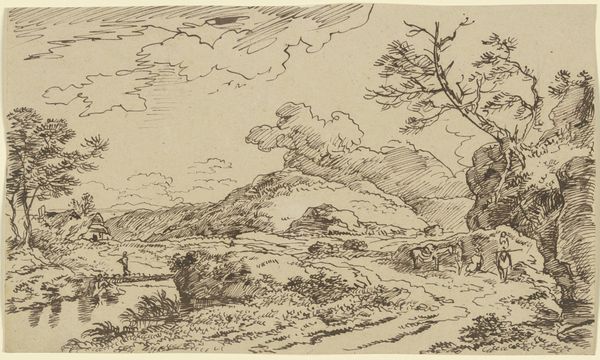
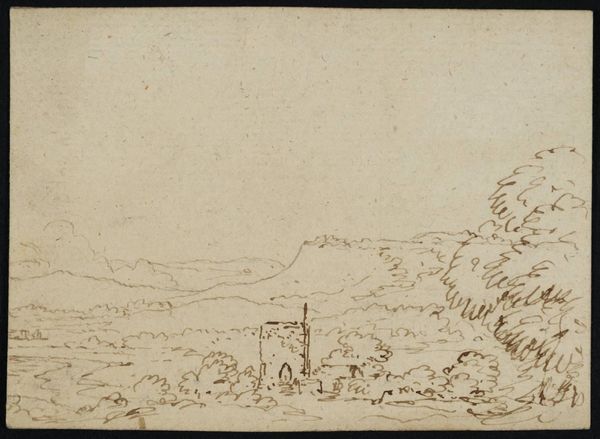
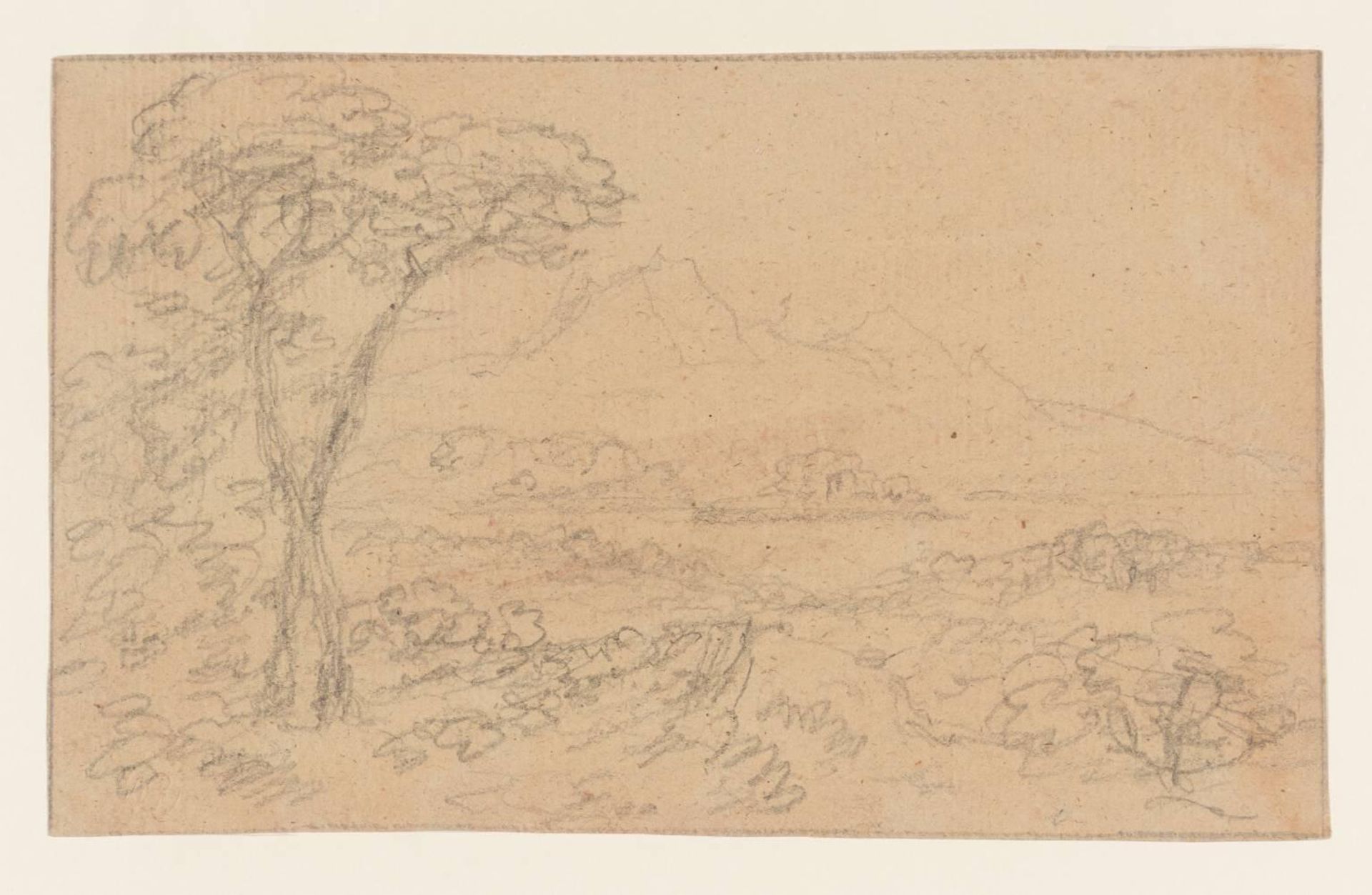
Editor: This is Rev. William Gilpin’s pencil sketch, simply titled "Landscape," from the Tate Collections. It's quite subtle and muted. What socio-political contexts do you think are informing Gilpin's artistic choices here? Curator: Gilpin, writing amidst the Enclosure Acts, promoted a "picturesque" ideal. Consider how this aesthetic conveniently erased the realities of land dispossession and social upheaval happening at the time, replacing it with an image of harmony and beauty. Editor: So, the "picturesque" becomes a kind of visual ideology? Curator: Exactly. It naturalizes a specific power dynamic, obscuring the struggles of rural communities. How does this inform our understanding of landscape art in general? Editor: I hadn't considered landscape as a potential tool for social control. It definitely gives me a new perspective. Curator: Precisely. Art isn't created in a vacuum, but responds to its historical moment, whether consciously or not.