About this artwork
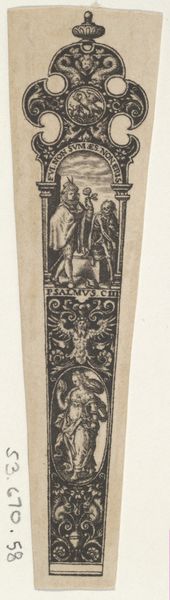
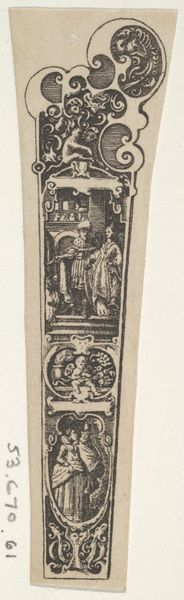
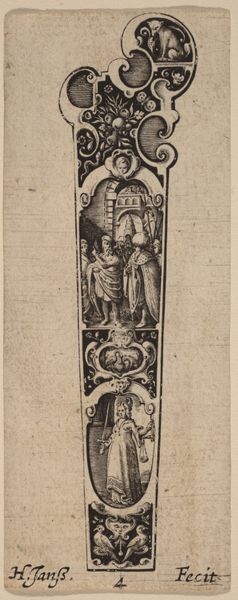
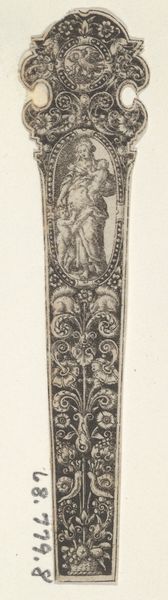
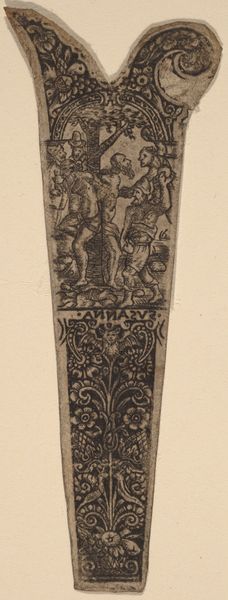
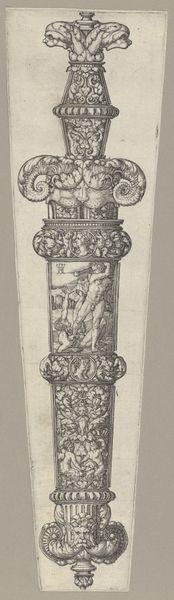
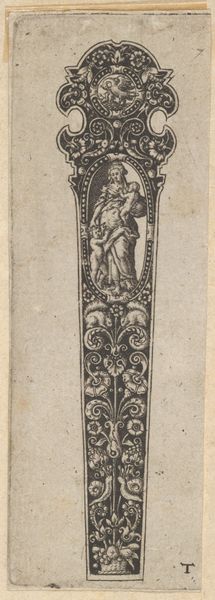
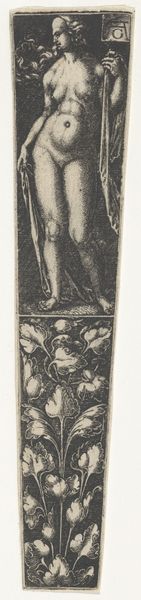
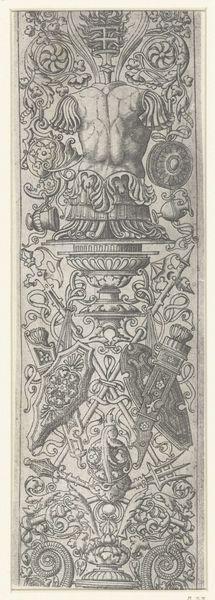
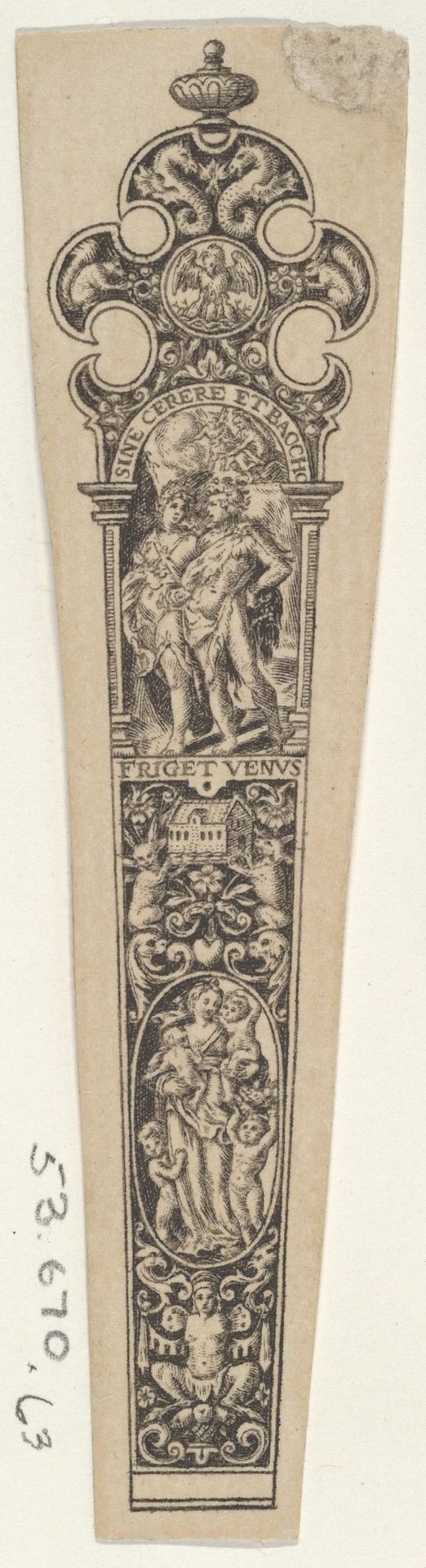
This is a design for a knife handle with 'Sine Cerere et Baccho Friget Venus' created by Johann Theodor de Bry around the turn of the 17th century. This engraving encapsulates the social and cultural values of the time, reflecting the intricate relationship between art, luxury, and classical ideals. The Latin inscription, "Without Ceres and Bacchus, Venus is cold," suggests that love and beauty cannot thrive without the nourishment of food and wine, an idea that could be explored by looking at classical literature and its influence on the social rituals of feasting and courtship. The engraving may also reflect the social hierarchy, where access to luxury goods and refined dining was a status symbol. The role of museums like the Met in preserving these objects allows us to study the intricate dance between art, social status, and cultural values in the past. By examining historical texts, records of dining customs, and art from this period, we can enrich our understanding of this artwork.
Design for a Knife Handle with 'Sine Cerere et Baccho Friget Venus'
1580 - 1600

Johann Theodor de Bry
1561 - 1623
The Metropolitan Museum of Art
Metropolitan Museum of Art, New York, NYArtwork details
- Medium
- drawing, print, ink, engraving
- Dimensions
- Sheet: 3 13/16 × 15/16 in. (9.7 × 2.4 cm)
- Location
- Metropolitan Museum of Art, New York, NY
- Copyright
- Public Domain
Tags
Comments
Share your thoughts
About this artwork
This is a design for a knife handle with 'Sine Cerere et Baccho Friget Venus' created by Johann Theodor de Bry around the turn of the 17th century. This engraving encapsulates the social and cultural values of the time, reflecting the intricate relationship between art, luxury, and classical ideals. The Latin inscription, "Without Ceres and Bacchus, Venus is cold," suggests that love and beauty cannot thrive without the nourishment of food and wine, an idea that could be explored by looking at classical literature and its influence on the social rituals of feasting and courtship. The engraving may also reflect the social hierarchy, where access to luxury goods and refined dining was a status symbol. The role of museums like the Met in preserving these objects allows us to study the intricate dance between art, social status, and cultural values in the past. By examining historical texts, records of dining customs, and art from this period, we can enrich our understanding of this artwork.
Comments
Share your thoughts