About this artwork
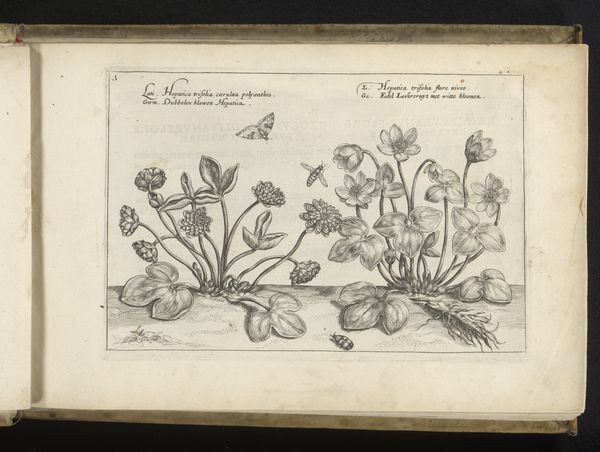
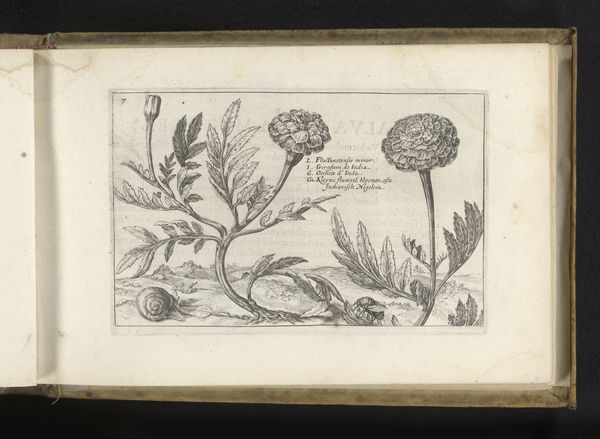
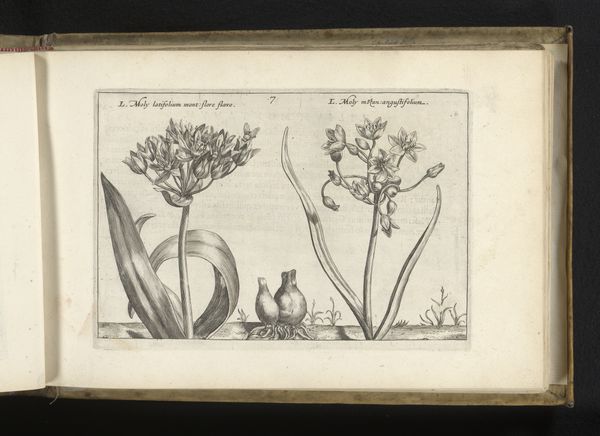
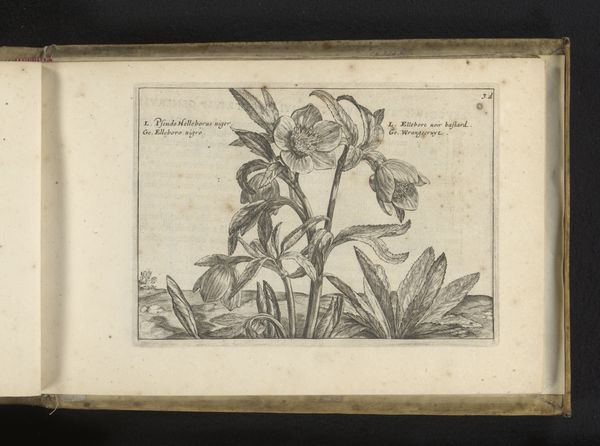
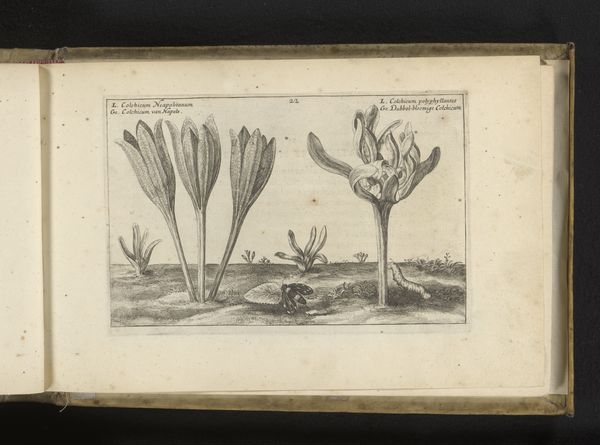
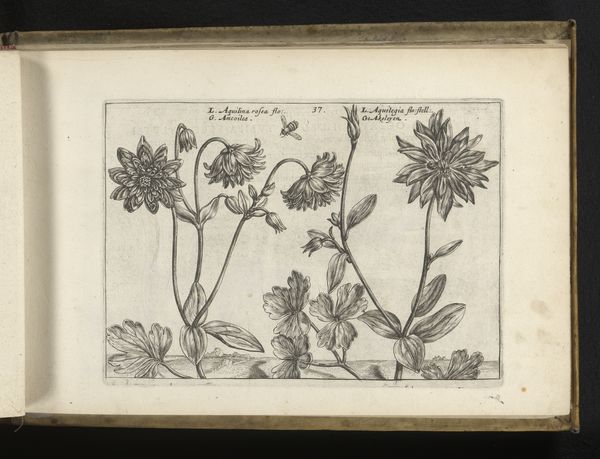
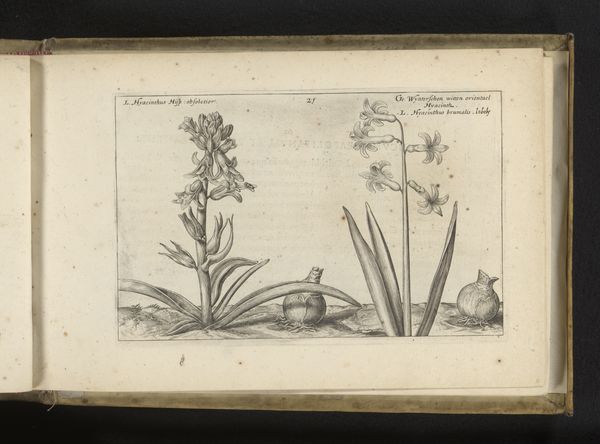
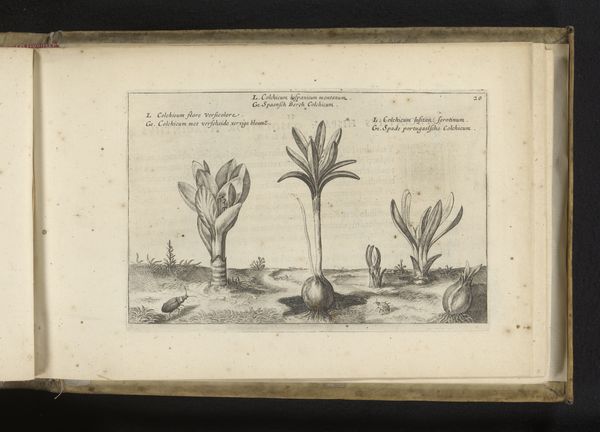
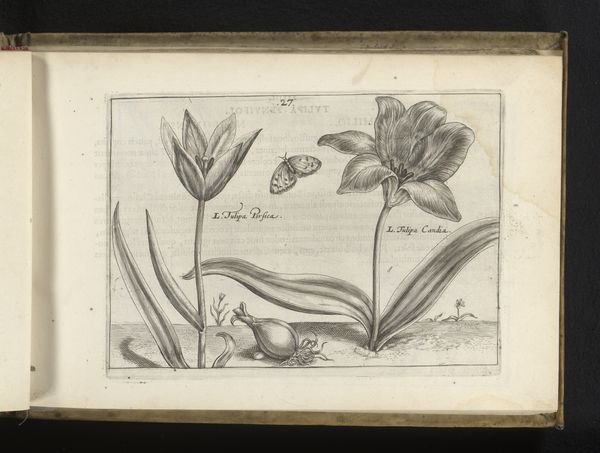
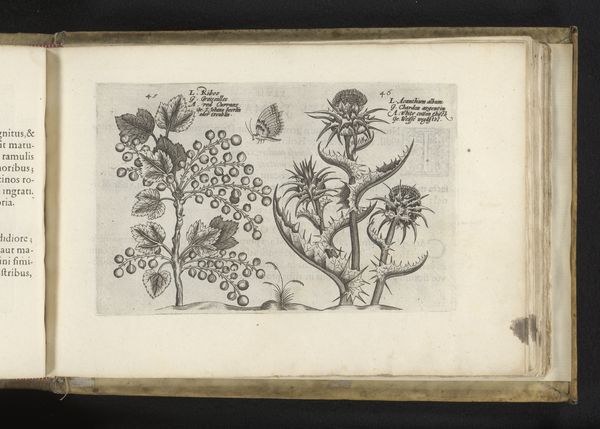
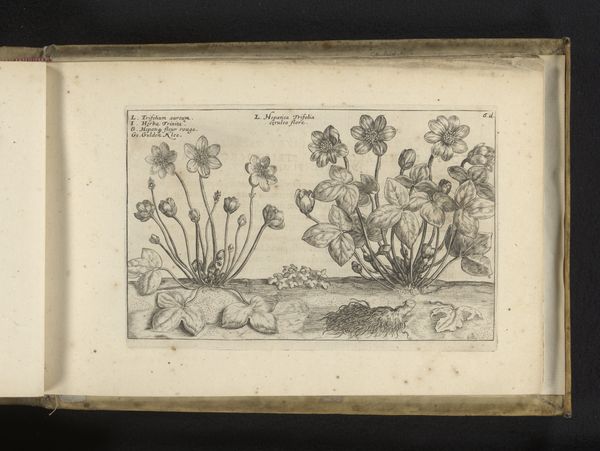
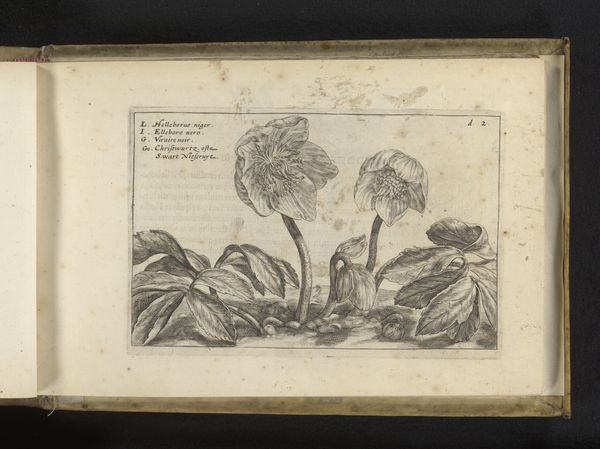
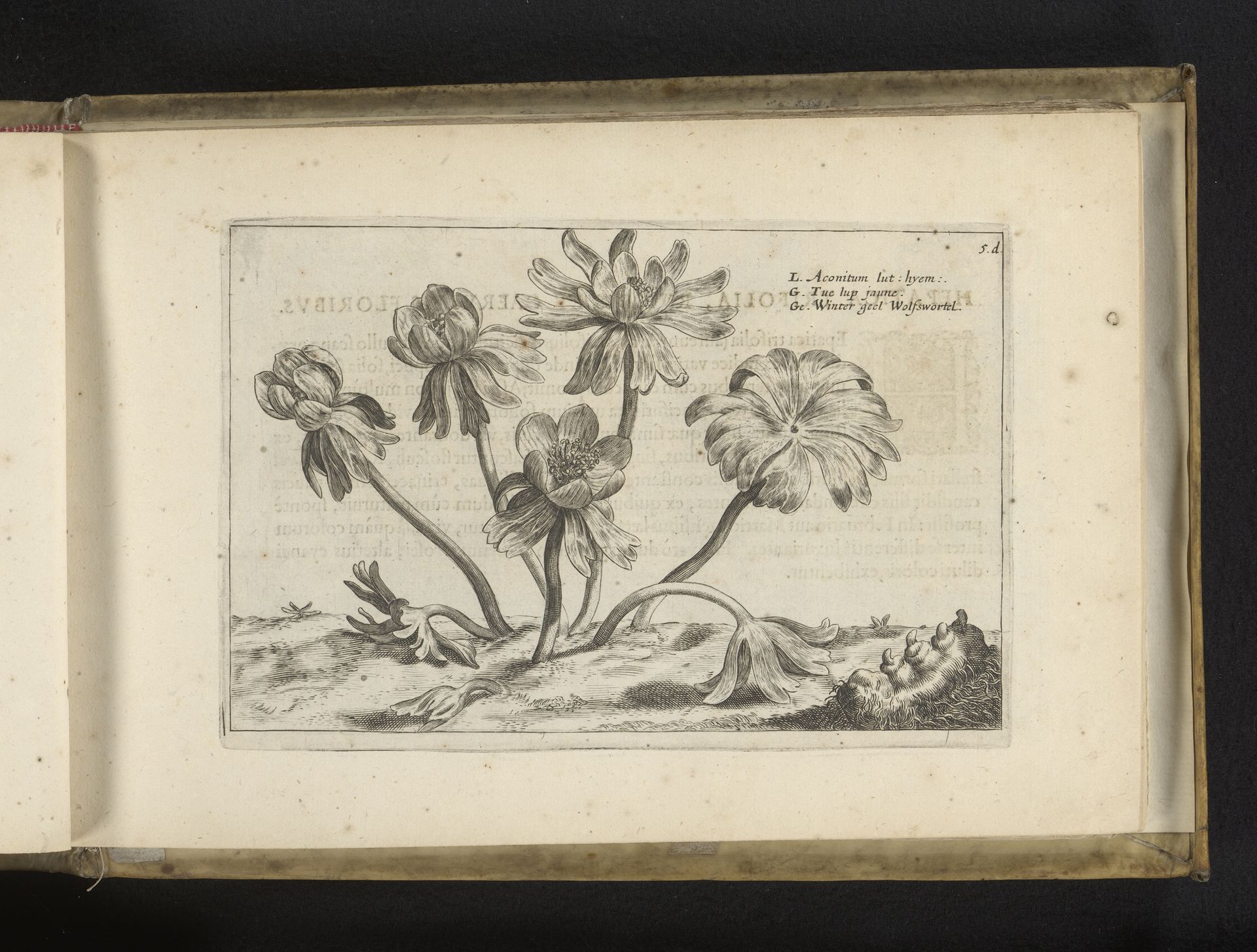
Crispijn van de Passe the Younger created this print titled ‘Gele monnikskap’ - or Yellow Monkshood - sometime in the 17th century. During this period, the Dutch Republic was not only a center for global commerce but also a hub of scientific and artistic innovation. Van de Passe's detailed engraving reflects the era’s intense interest in natural history and botany. But, what does it mean to name a flower after a monk’s hood? The name points to the pervasive influence of the church at the time. Here the natural world is classified, understood, and named, through the lens of religious culture. Yet the very act of detailed scientific observation also subtly challenges religious dogma, proposing an alternative way of knowing and seeing the world. Van de Passe’s intricate print of a seemingly simple flower thus embodies a moment of cultural and intellectual transition, where faith and reason begin to negotiate their respective claims on truth.

Artwork details
- Medium
- drawing, print, paper, ink, engraving
- Dimensions
- height 136 mm, width 205 mm
- Location
- Rijksmuseum
- Copyright
- Rijks Museum: Open Domain
Tags
drawing
aged paper
toned paper
sketch book
flower
figuration
paper
personal sketchbook
ink
pen-ink sketch
pen and pencil
line
pen work
sketchbook drawing
storyboard and sketchbook work
northern-renaissance
sketchbook art
engraving
Comments
No comments
About this artwork
Crispijn van de Passe the Younger created this print titled ‘Gele monnikskap’ - or Yellow Monkshood - sometime in the 17th century. During this period, the Dutch Republic was not only a center for global commerce but also a hub of scientific and artistic innovation. Van de Passe's detailed engraving reflects the era’s intense interest in natural history and botany. But, what does it mean to name a flower after a monk’s hood? The name points to the pervasive influence of the church at the time. Here the natural world is classified, understood, and named, through the lens of religious culture. Yet the very act of detailed scientific observation also subtly challenges religious dogma, proposing an alternative way of knowing and seeing the world. Van de Passe’s intricate print of a seemingly simple flower thus embodies a moment of cultural and intellectual transition, where faith and reason begin to negotiate their respective claims on truth.
Comments
No comments