About this artwork
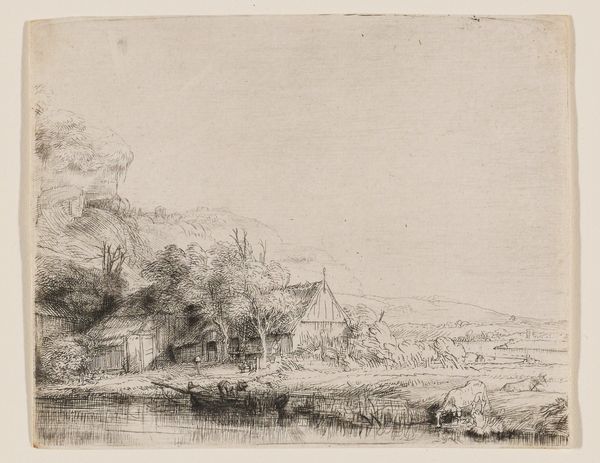
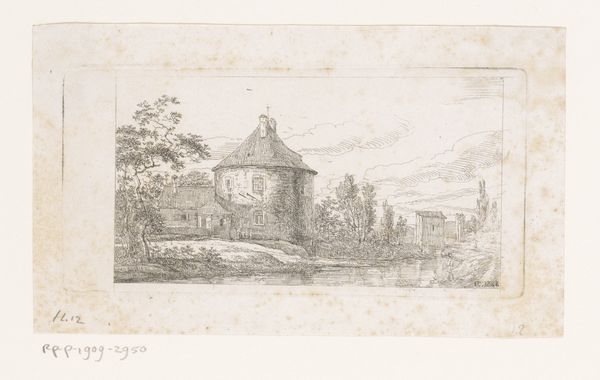
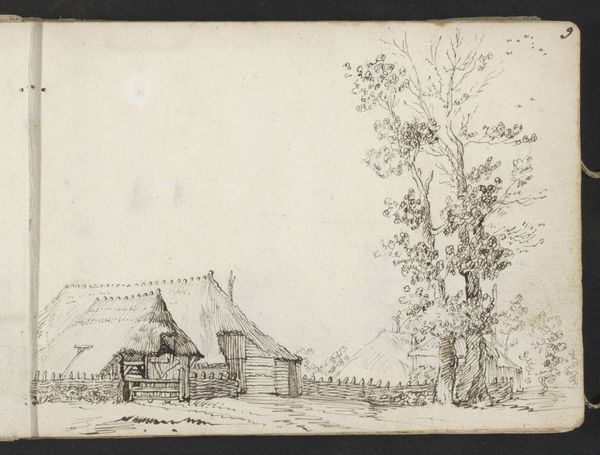
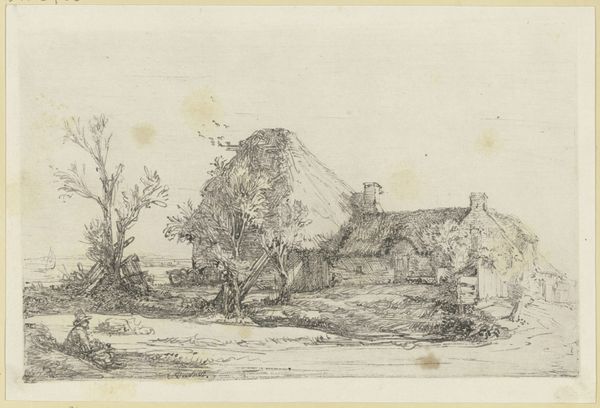
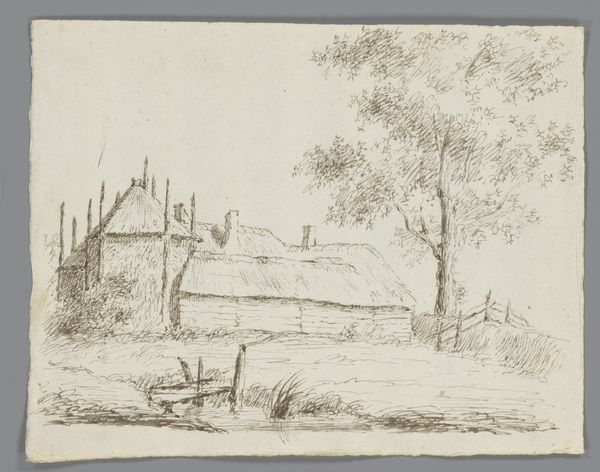
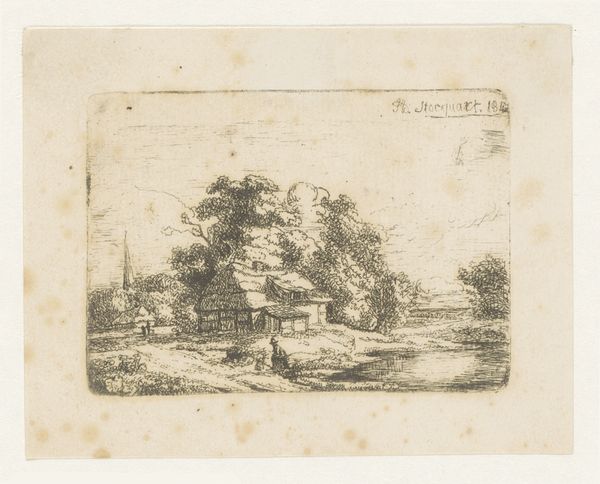
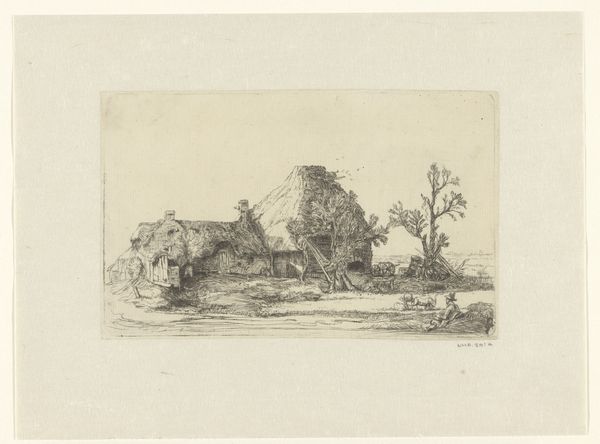
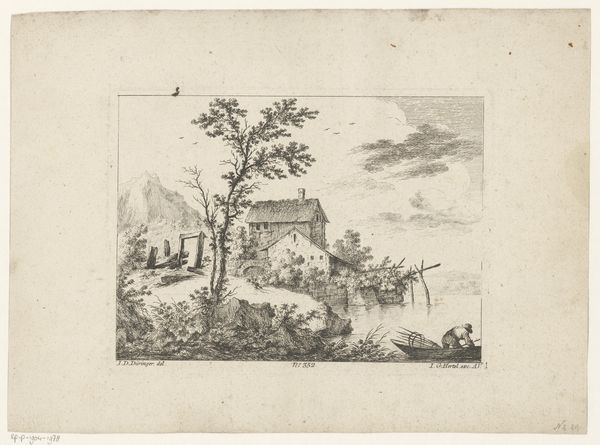
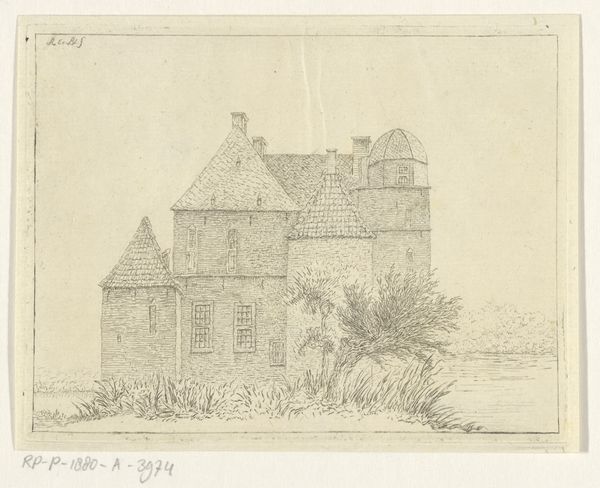
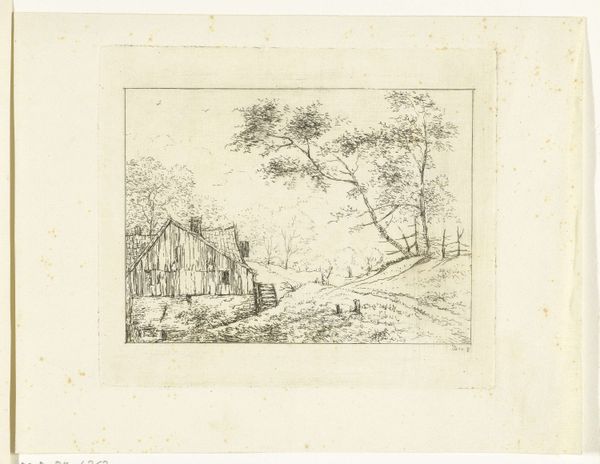
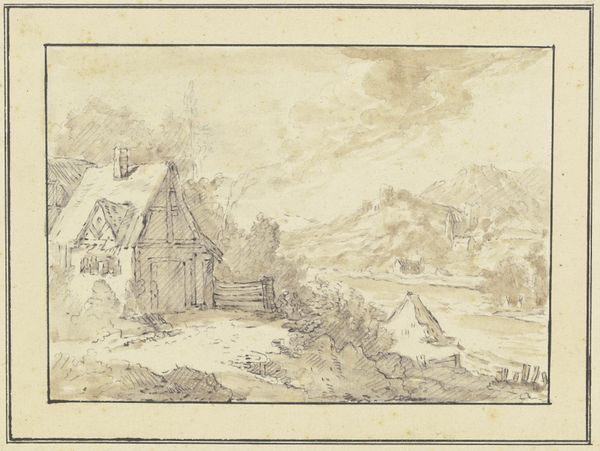
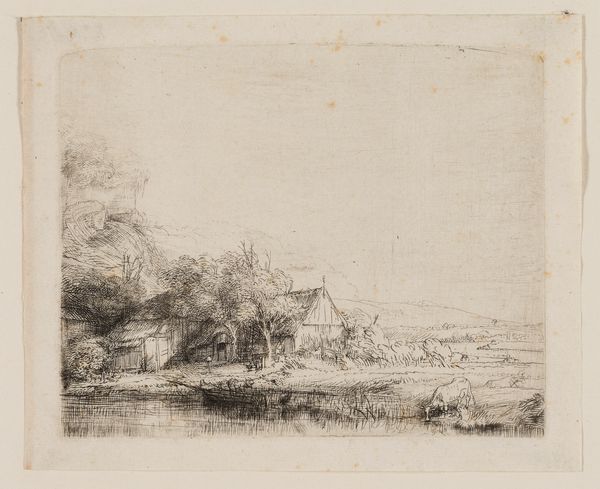
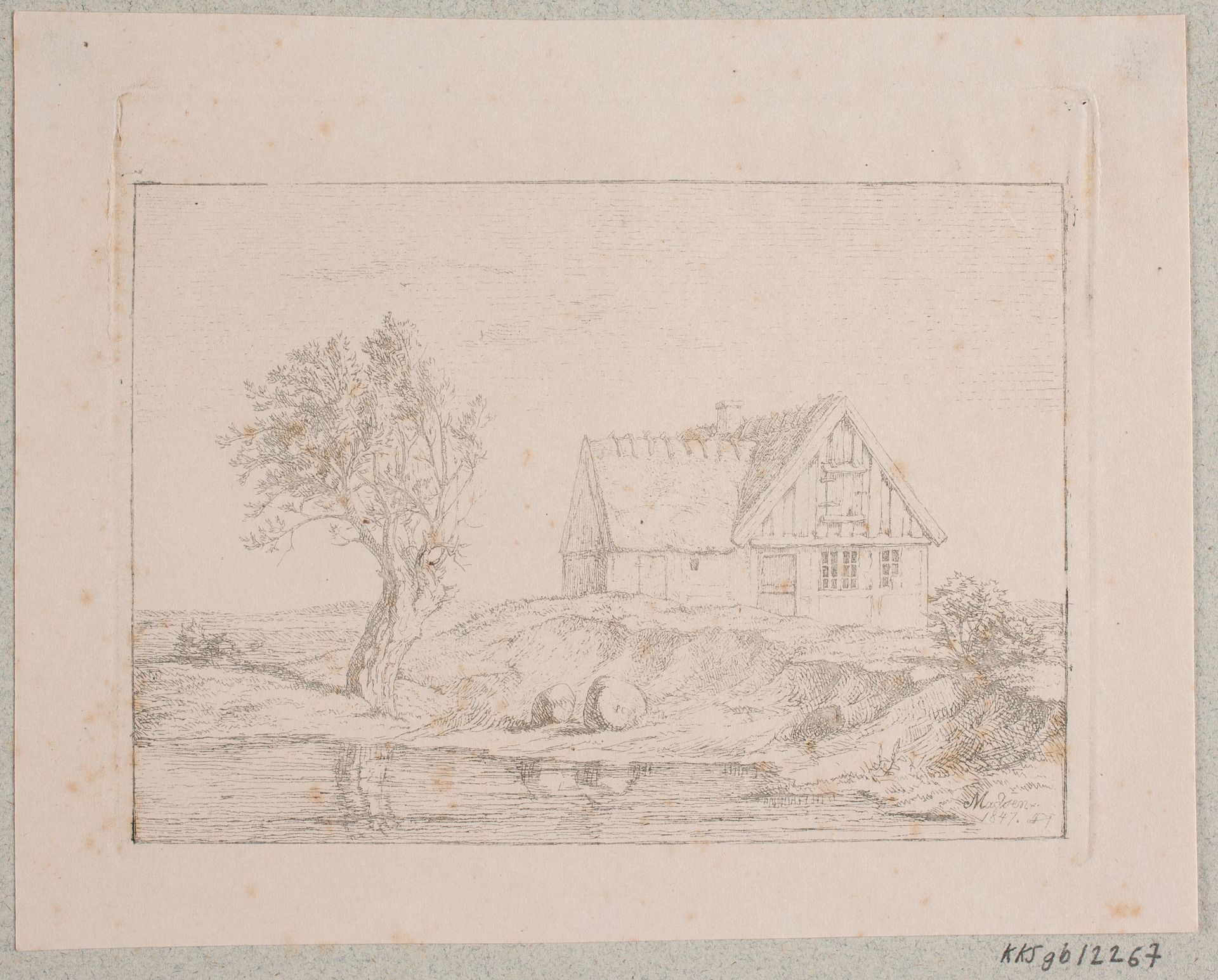
This is A.P. Madsen's delicate etching, "Bondehus ved et vand," or "Farmhouse by the Water," created at an unknown date. Madsen, born in 1822, was working in a Denmark steeped in romantic nationalism. In this light, Madsen's image of a humble, thatched-roof farmhouse becomes more than just a landscape. It's an assertion of Danish identity, rooted in the rural and the traditional. But who gets to claim this identity? Where are the people who labor on this land, who likely live in this house? Their absence speaks volumes, hinting at a romanticized vision of country life that often excludes the working class. The quiet stillness of the water, the gentle curve of the landscape – these elements evoke a sense of longing for a simpler time, a time that perhaps never truly existed for all. The etching is a beautiful, yet complex, reminder of how art can both celebrate and obscure the realities of a nation's past.
Bondehus ved et vand
1847


Artwork details
- Medium
- drawing, print, etching, engraving
- Dimensions
- 115 mm (height) x 146 mm (width) (plademaal)
- Location
- SMK - Statens Museum for Kunst
Tags
drawing
etching
landscape
etching
romanticism
northern-renaissance
engraving
Comments
Be the first to share your thoughts about this work.
About this artwork
This is A.P. Madsen's delicate etching, "Bondehus ved et vand," or "Farmhouse by the Water," created at an unknown date. Madsen, born in 1822, was working in a Denmark steeped in romantic nationalism. In this light, Madsen's image of a humble, thatched-roof farmhouse becomes more than just a landscape. It's an assertion of Danish identity, rooted in the rural and the traditional. But who gets to claim this identity? Where are the people who labor on this land, who likely live in this house? Their absence speaks volumes, hinting at a romanticized vision of country life that often excludes the working class. The quiet stillness of the water, the gentle curve of the landscape – these elements evoke a sense of longing for a simpler time, a time that perhaps never truly existed for all. The etching is a beautiful, yet complex, reminder of how art can both celebrate and obscure the realities of a nation's past.
Comments
Be the first to share your thoughts about this work.