About this artwork
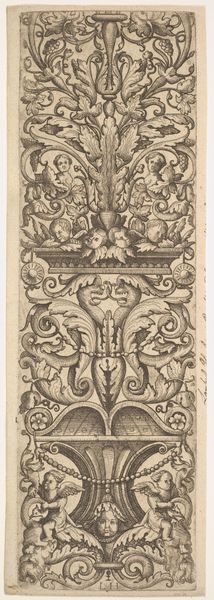
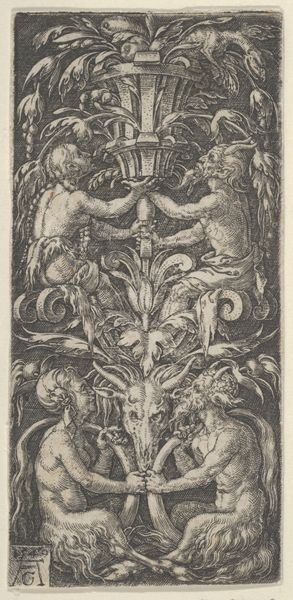
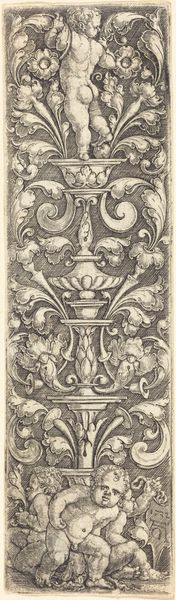
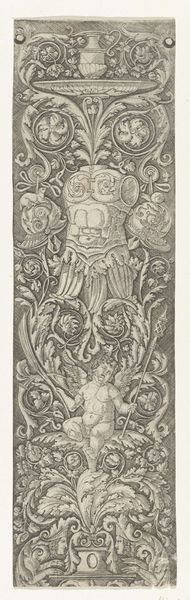
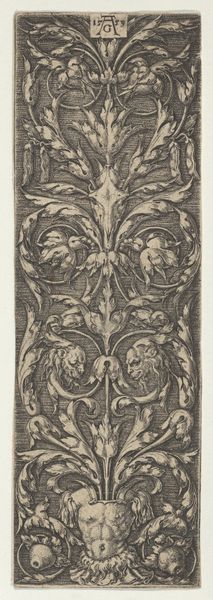
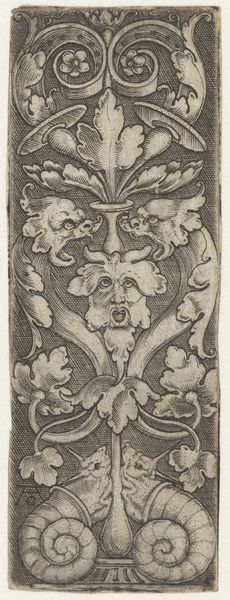
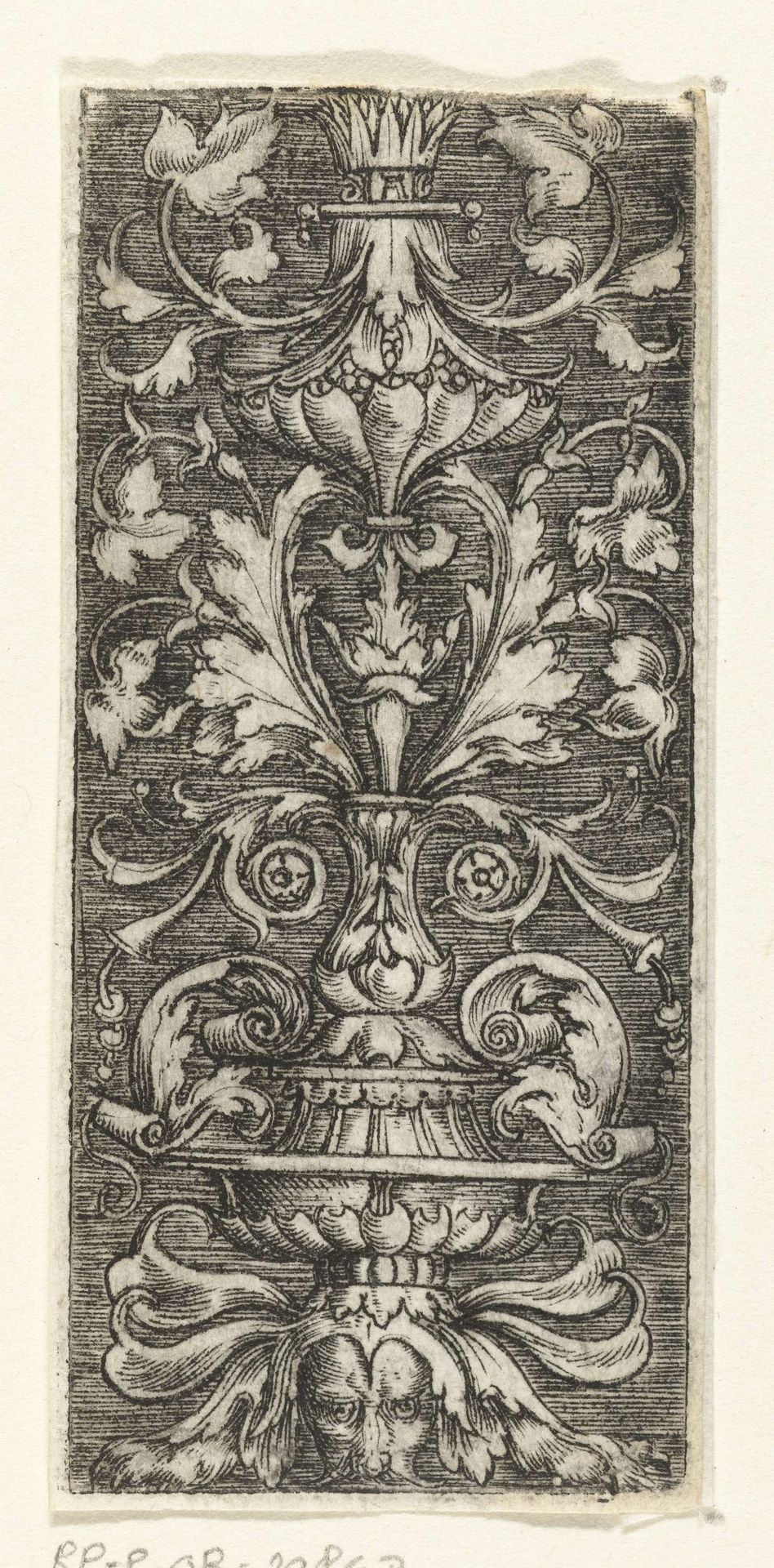
This is Albrecht Altdorfer's "Kandelaber met bladranken," a small yet intricate work created using etching techniques during the Northern Renaissance. Altdorfer, positioned in the vibrant cultural milieu of 16th-century Germany, infuses this ornamental design with the spirit of his time. The candelabra, adorned with foliate scrolls and a grotesque mask at its base, speaks to the era's fascination with classical forms. The grotesque was often used to ward off evil, to remind viewers of the duality of human nature, the beautiful and the monstrous. However, the presence of the grotesque also introduces a sense of unease. The mask-like face challenges the harmony of the overall design, reminding us of the underlying tensions and contradictions of the human experience. In viewing Altdorfer's candelabra, we encounter not just a decorative object, but a reflection on the complexities of identity, desire, and the ambiguous nature of beauty.

Artwork details
- Medium
- print, etching
- Dimensions
- height 67 mm, width 29 mm
- Copyright
- Rijks Museum: Open Domain
Tags
etching
11_renaissance
geometric
line
northern-renaissance
decorative-art
Comments
No comments
About this artwork
This is Albrecht Altdorfer's "Kandelaber met bladranken," a small yet intricate work created using etching techniques during the Northern Renaissance. Altdorfer, positioned in the vibrant cultural milieu of 16th-century Germany, infuses this ornamental design with the spirit of his time. The candelabra, adorned with foliate scrolls and a grotesque mask at its base, speaks to the era's fascination with classical forms. The grotesque was often used to ward off evil, to remind viewers of the duality of human nature, the beautiful and the monstrous. However, the presence of the grotesque also introduces a sense of unease. The mask-like face challenges the harmony of the overall design, reminding us of the underlying tensions and contradictions of the human experience. In viewing Altdorfer's candelabra, we encounter not just a decorative object, but a reflection on the complexities of identity, desire, and the ambiguous nature of beauty.
Comments
No comments