1647 - 1678
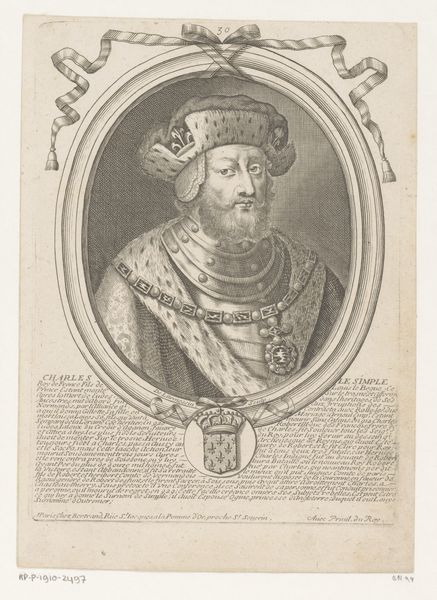
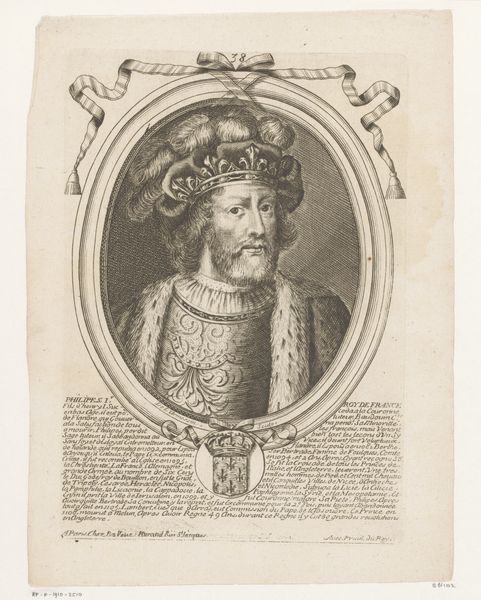
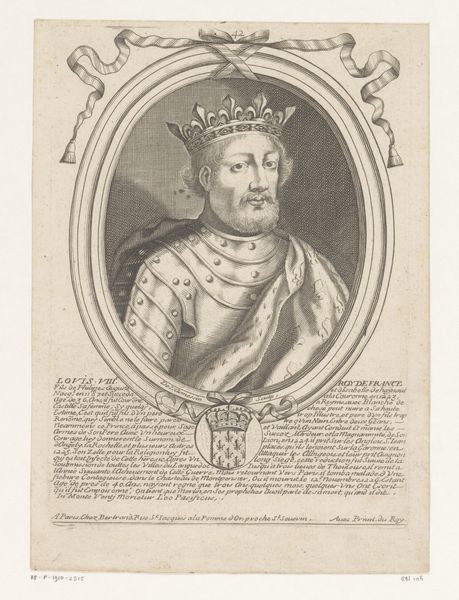
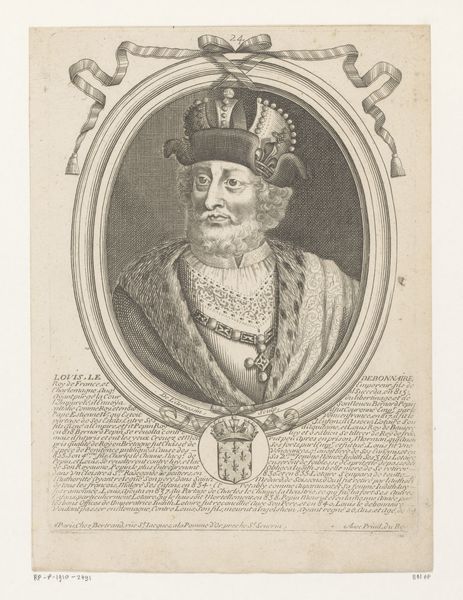
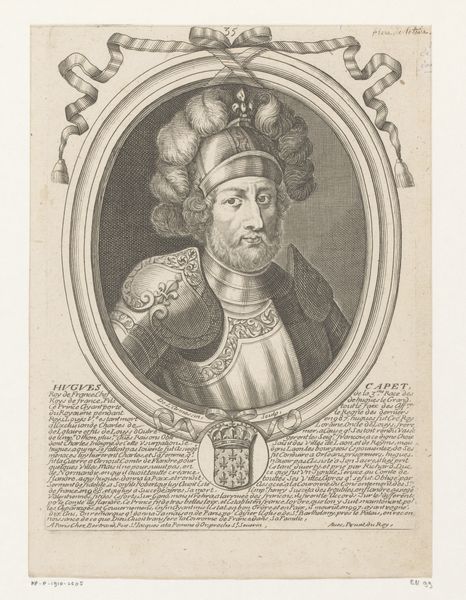
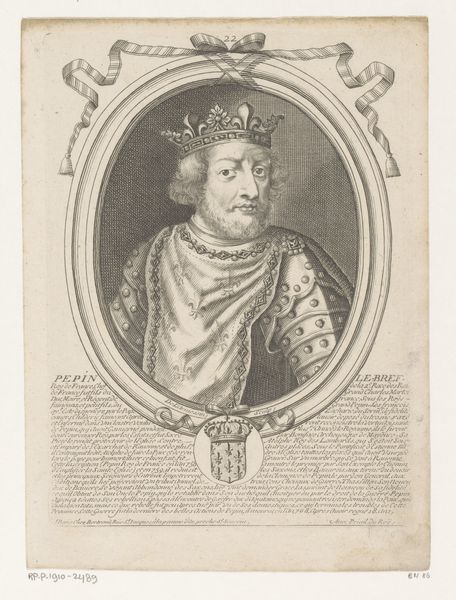
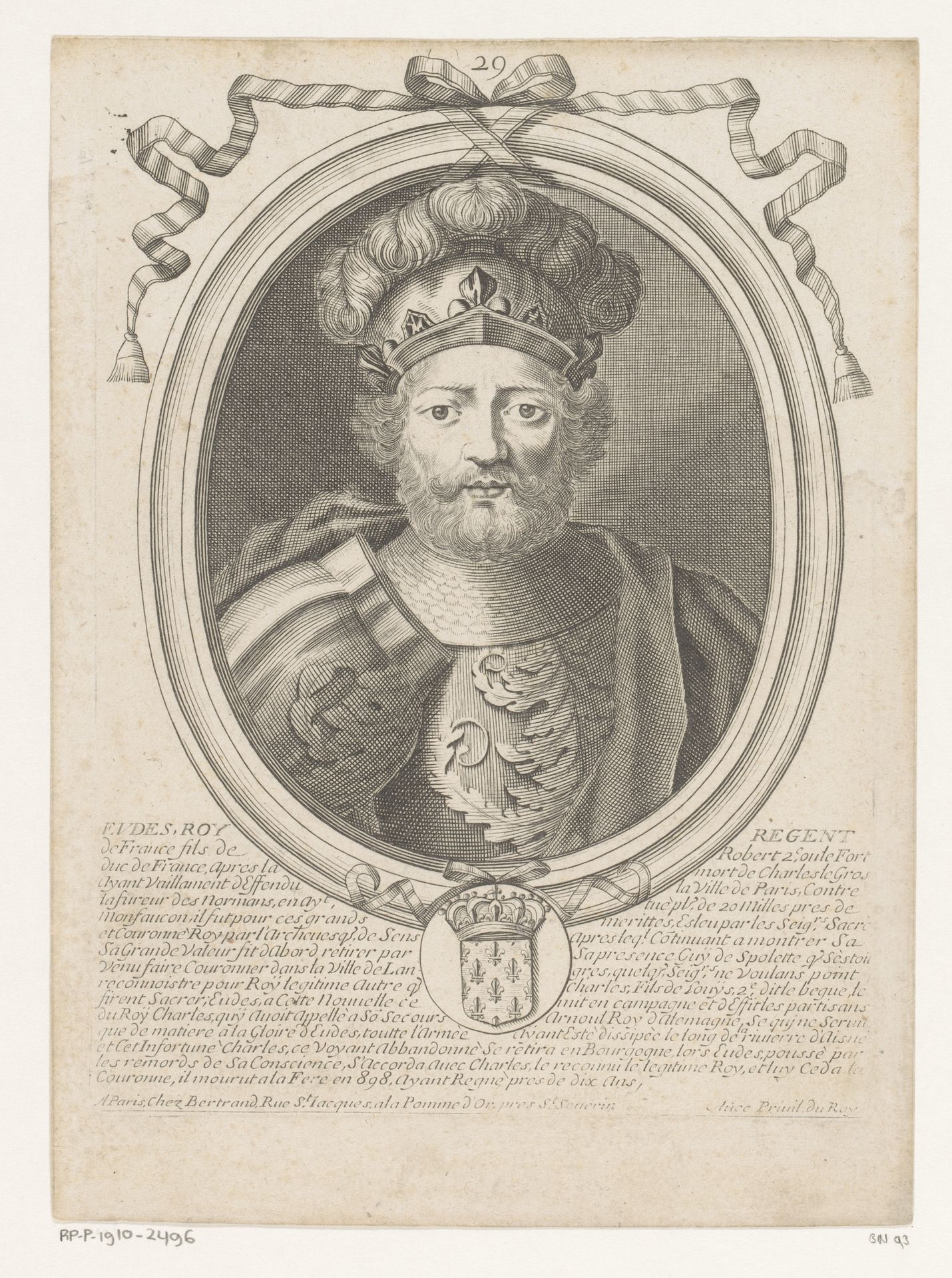
Portret van Odo I

Nicolas de (I) Larmessin
1632 - 1694Location
RijksmuseumListen to curator's interpretation
Curatorial notes
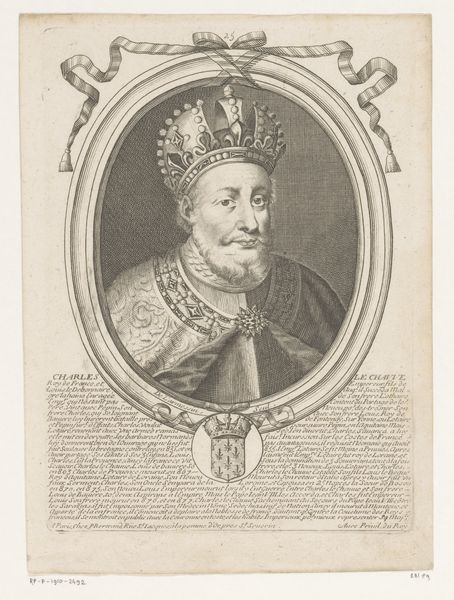
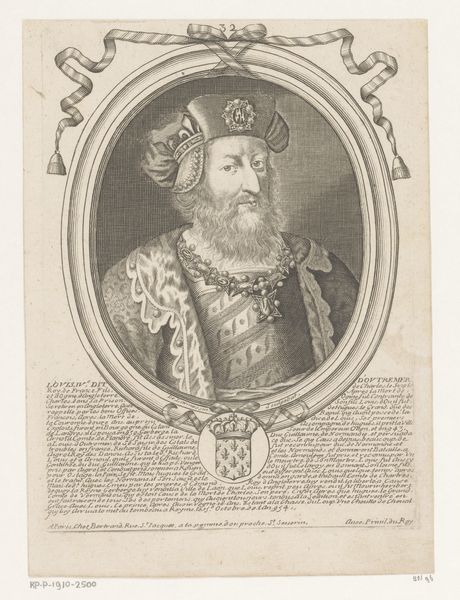
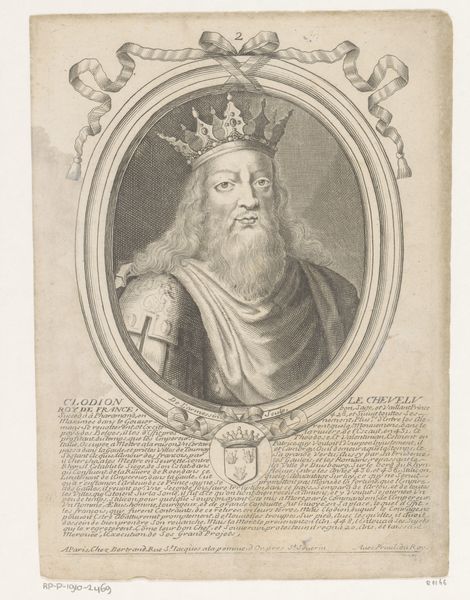
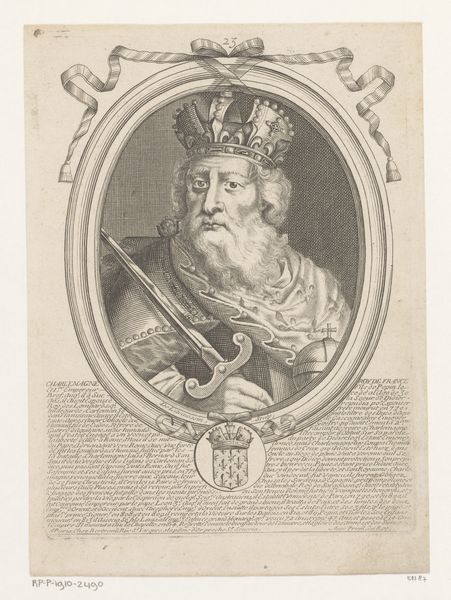
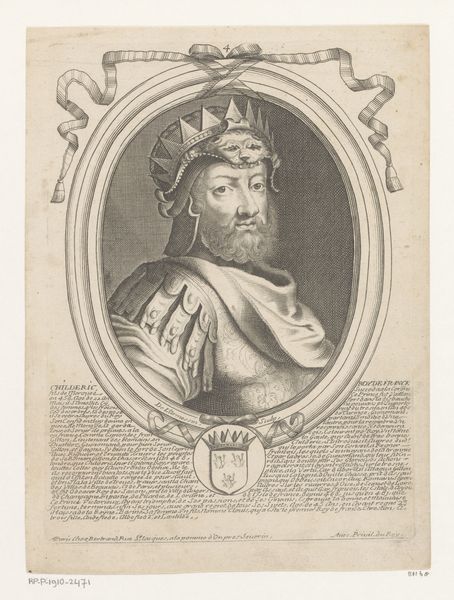
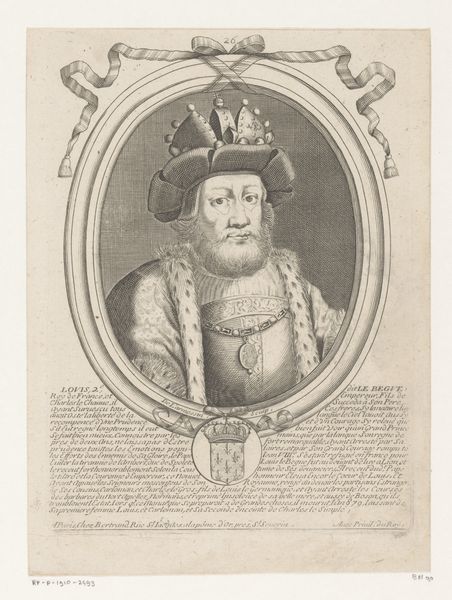
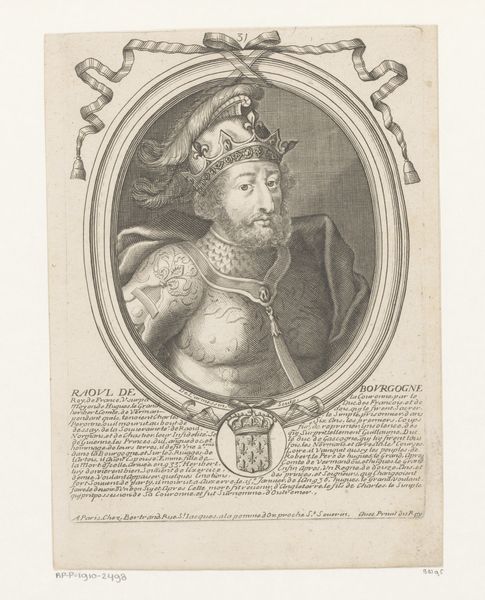
This engraving by Nicolas de Larmessin, made sometime in the late 17th century, depicts Odo I. Immediately, the Fleur-de-Lis stands out, prominently displayed on Odo's shield and in the coat of arms below. This symbol, deeply intertwined with French royalty, signifies sovereignty and divine right. The Fleur-de-Lis is no static emblem. We see it echoed across centuries, from medieval banners to modern political symbols. Its evolution embodies a fascinating case of cultural appropriation and reinterpretation. Originally associated with religious purity, it morphed into a symbol of royal power, its association with the Virgin Mary granting kings a divine aura. The motif's continuous reappearance speaks to its psychological power. Symbols like the Fleur-de-Lis tap into our collective memory, evoking feelings of national pride, authority, and even nostalgia. This emotional resonance is a testament to the enduring power of symbols to shape our understanding of history. The symbol has surfaced, evolved, and taken on new meanings in different historical contexts.