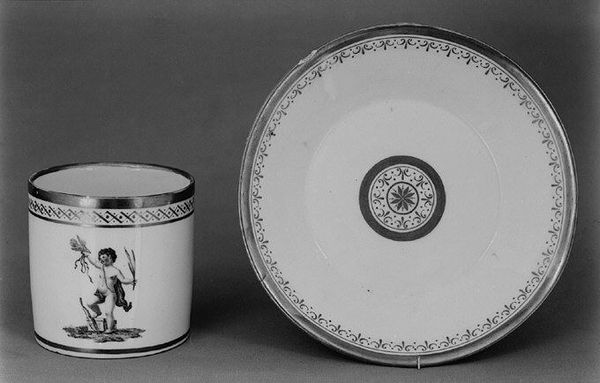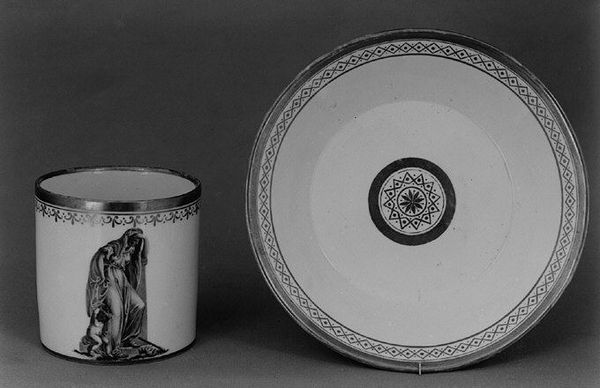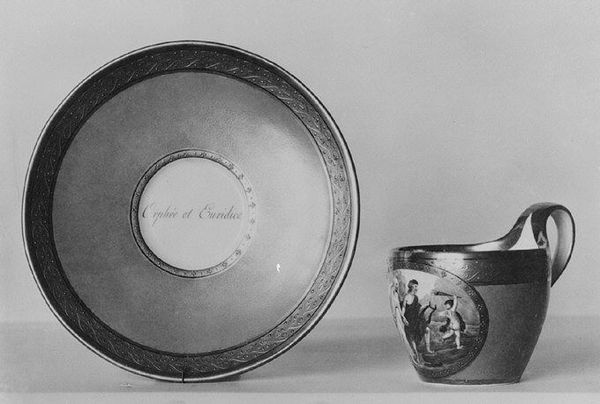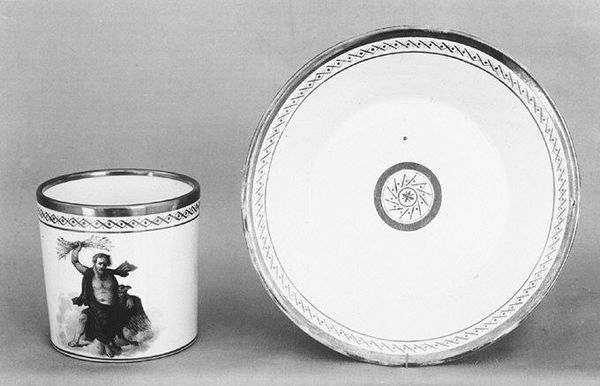
1800 - 1815
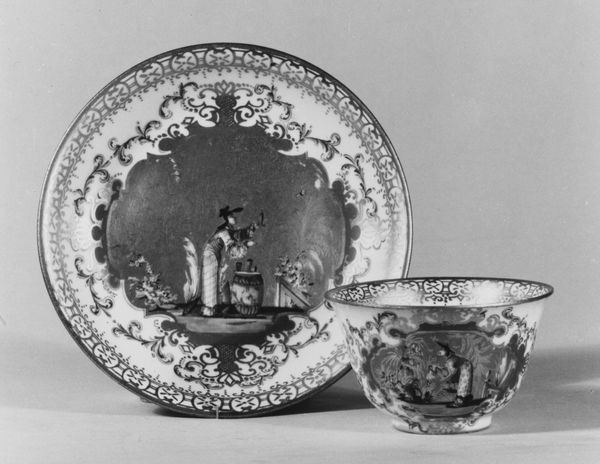
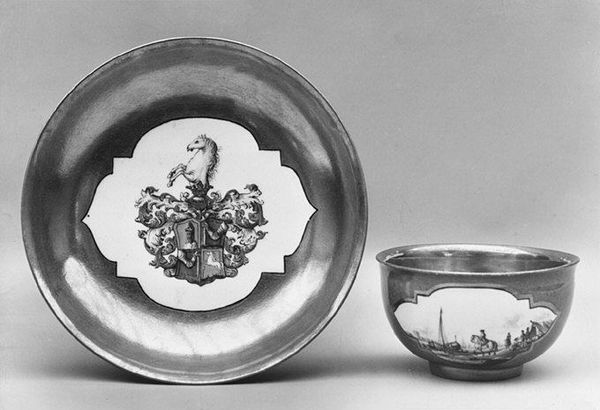
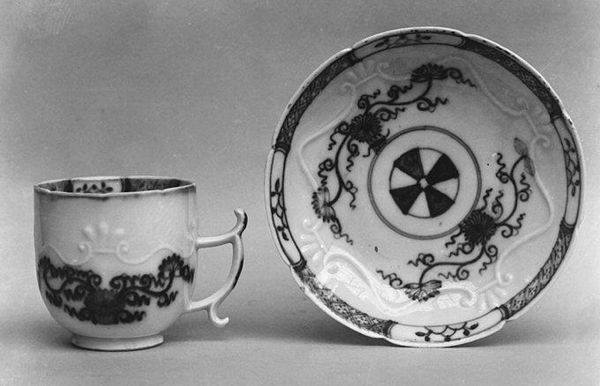
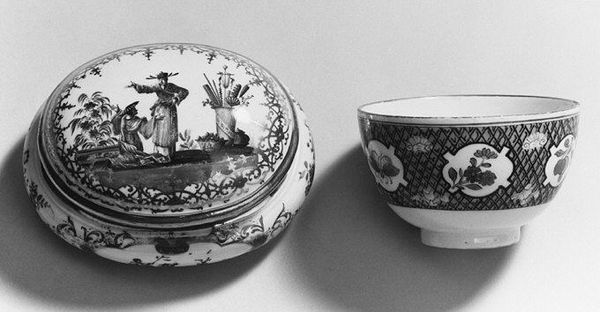
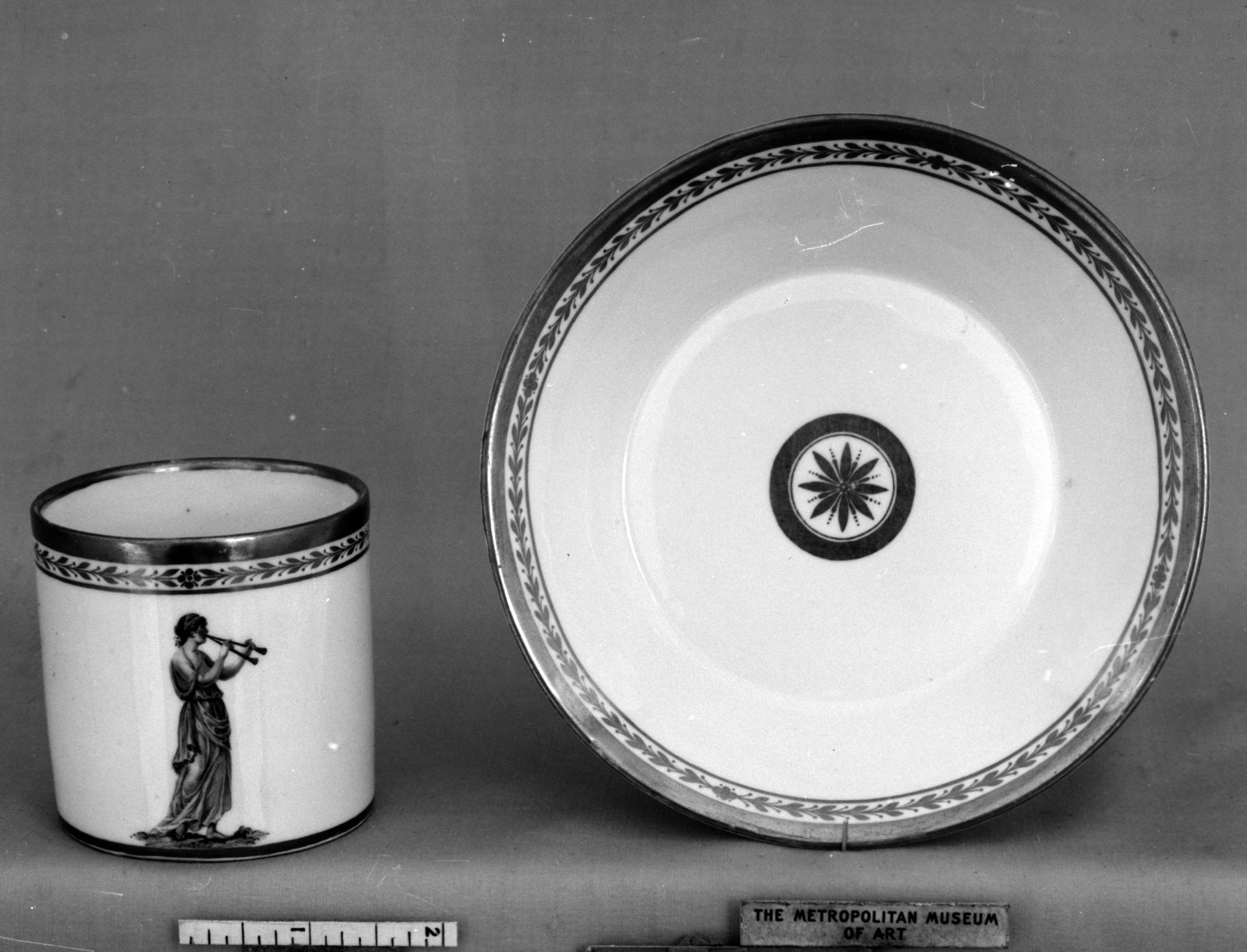
Saucer (part of a coffee service)

Nymphenburg Porcelain Manufactory
1747
The Metropolitan Museum of Art
Metropolitan Museum of Art, New York, NYListen to curator's interpretation
Curatorial notes
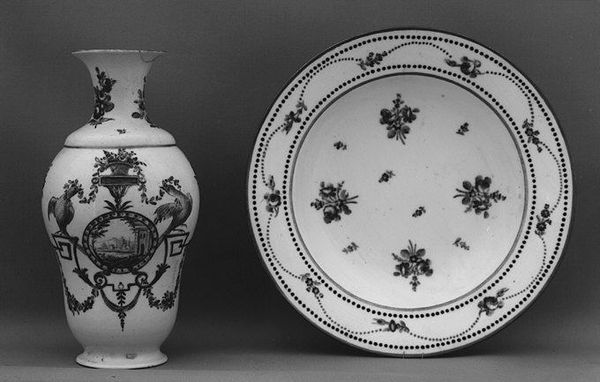
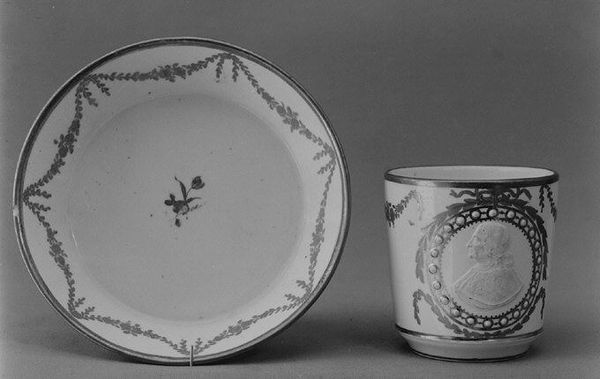
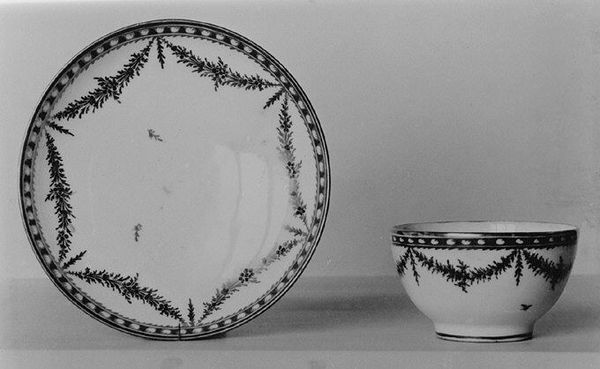
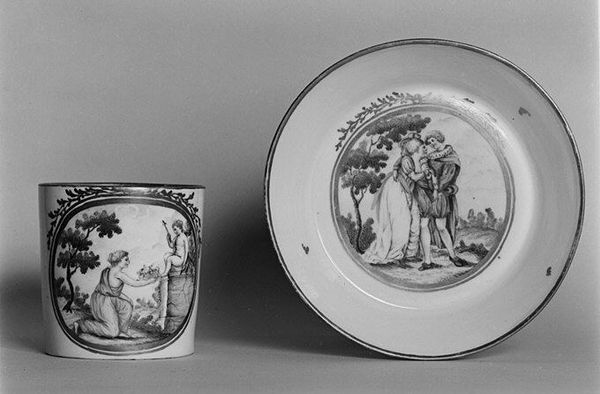
This saucer, part of a coffee service, was made by the Nymphenburg Porcelain Manufactory, established in 1747. During this period, porcelain was more than just tableware; it was a symbol of status and refined taste, largely enjoyed by the upper classes. Looking closely, the design reflects an embrace of classical antiquity, popular among European elites at the time. These neoclassical motifs were not merely decorative; they reflected aspirations of power, order, and a connection to a prestigious past. Who was invited to drink from such finery, and who was excluded? The rituals of coffee drinking, set against the backdrop of empire and trade, subtly reinforced social hierarchies. Consider the hands that crafted this saucer, likely anonymous artisans, and the complex web of global exchange that brought porcelain and coffee together on a European table. It is a delicate reminder of how everyday objects carry layers of history, power, and identity.