About this artwork
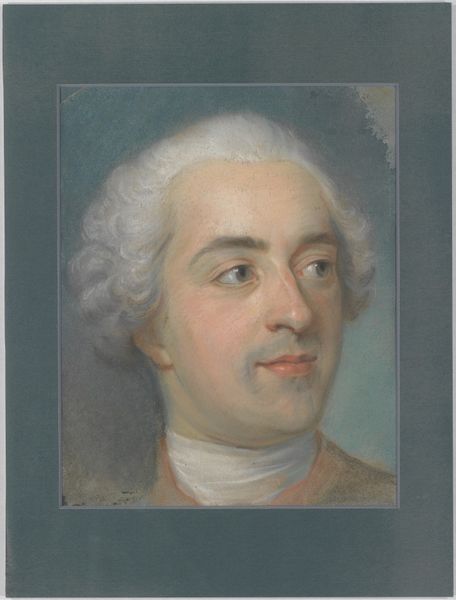
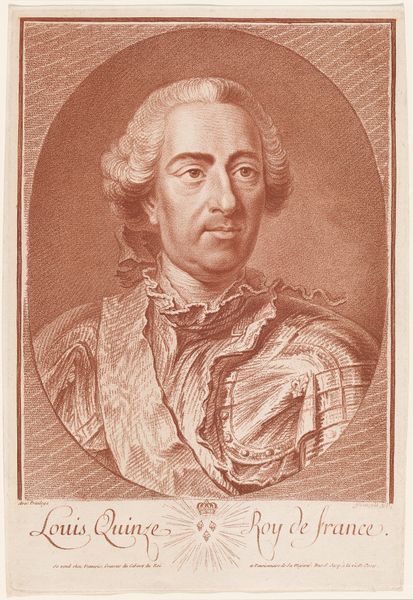
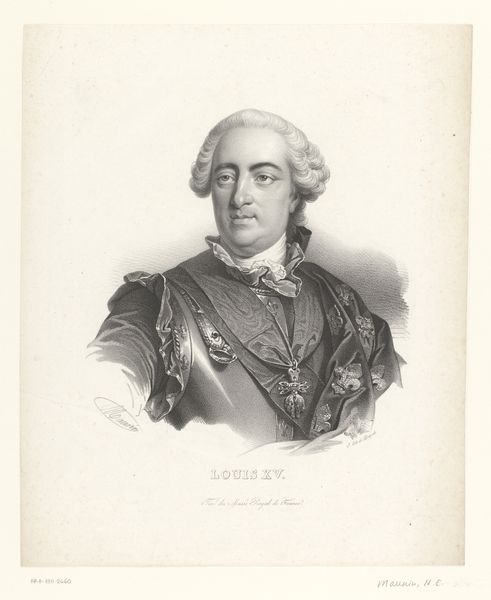
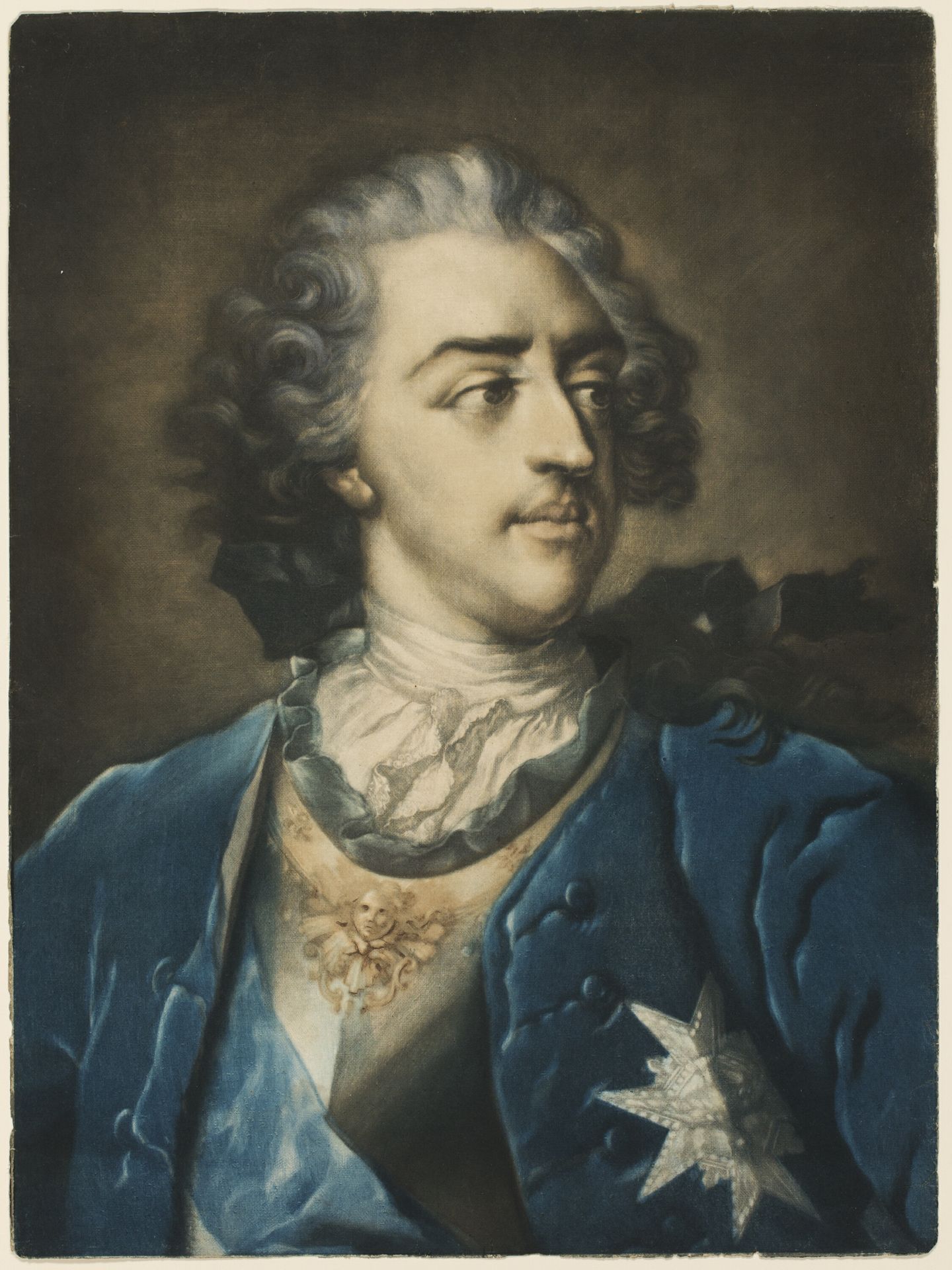
This is Jacob Christoph Le Blon's "Portrait of Louis XV," displayed at the Art Institute of Chicago. The prominent symbols—the fleur-de-lis, the star, and the carefully arranged attire—speak volumes about the subject’s status. The star, gleaming on his chest, connects to ancient symbols of divinity and guidance. This emblem recurs through the ages, from Ishtar’s star in Mesopotamia to the star on the Magi's cloaks, each time signifying a powerful figure or divine mandate. Consider the psychological weight of such symbols. They are not mere decorations, but invocations of power. The conscious intent of the king and artist is less interesting than the subconscious symbols in the collective memory of the audience. Through Le Blon’s portrait, we witness the cyclical return of symbols, each time adapted, yet retaining echoes of its past.
Portrait of Louis XV
1739

Jacob Christoph Le Blon
@jacobchristophleblon
The Art Institute of Chicago
The Art Institute of ChicagoArtwork details
- Medium
- drawing, print, paper, ink
- Dimensions
- 618 × 460 mm
- Location
- The Art Institute of Chicago
- Copyright
- Public Domain
Tags
portrait
drawing
baroque
paper
ink
history-painting
portrait art
rococo
Comments
Be the first to share your thoughts about this work.
About this artwork
This is Jacob Christoph Le Blon's "Portrait of Louis XV," displayed at the Art Institute of Chicago. The prominent symbols—the fleur-de-lis, the star, and the carefully arranged attire—speak volumes about the subject’s status. The star, gleaming on his chest, connects to ancient symbols of divinity and guidance. This emblem recurs through the ages, from Ishtar’s star in Mesopotamia to the star on the Magi's cloaks, each time signifying a powerful figure or divine mandate. Consider the psychological weight of such symbols. They are not mere decorations, but invocations of power. The conscious intent of the king and artist is less interesting than the subconscious symbols in the collective memory of the audience. Through Le Blon’s portrait, we witness the cyclical return of symbols, each time adapted, yet retaining echoes of its past.
Comments
Be the first to share your thoughts about this work.