About this artwork
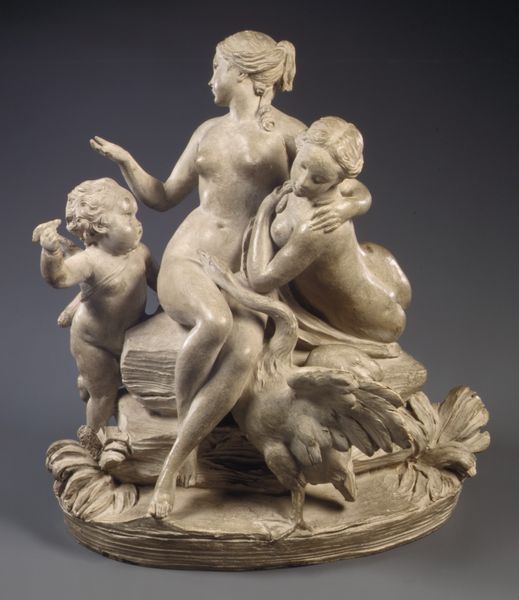
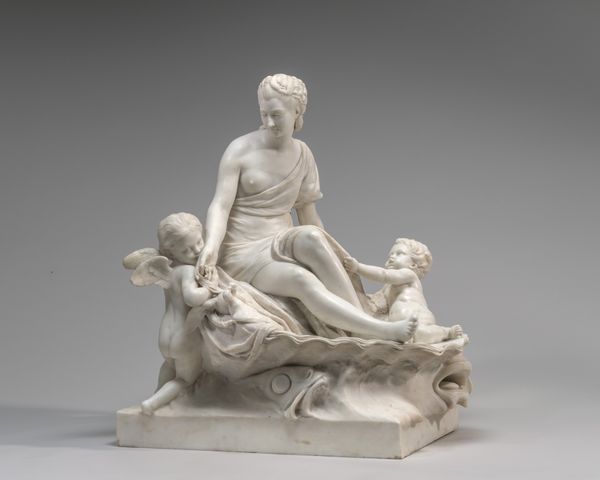
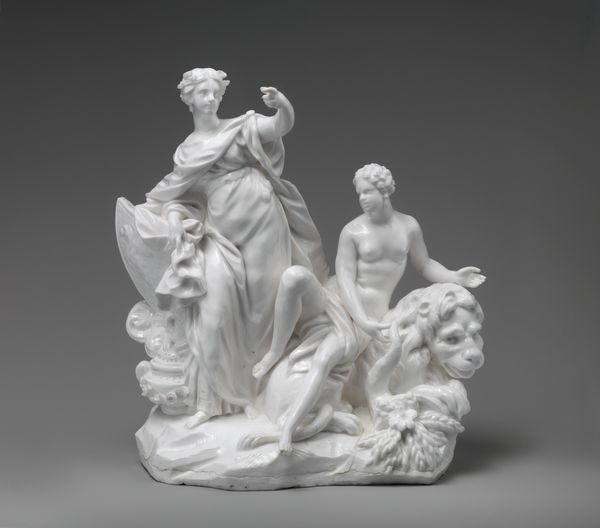
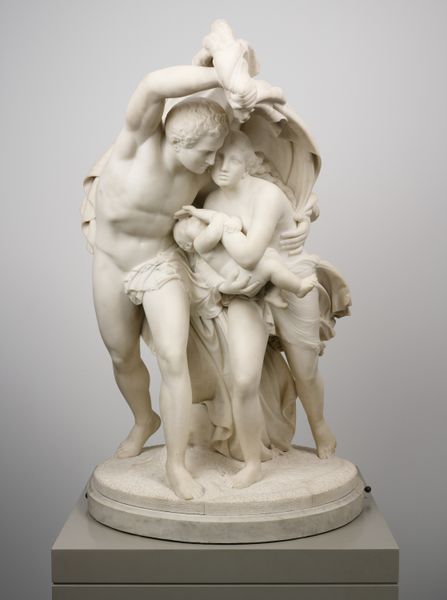
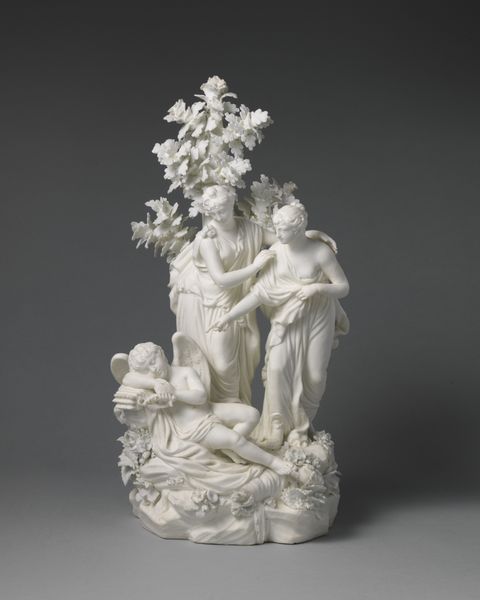
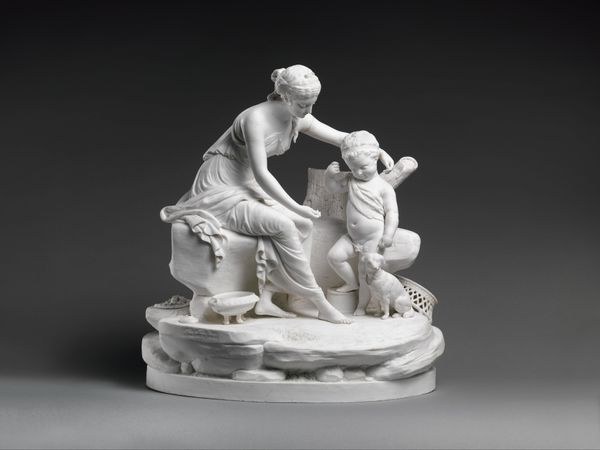
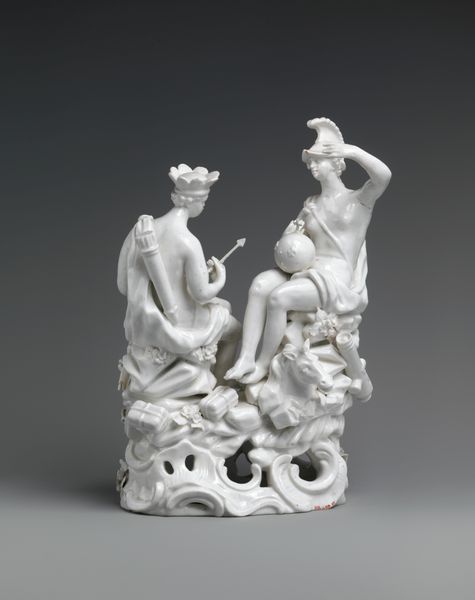
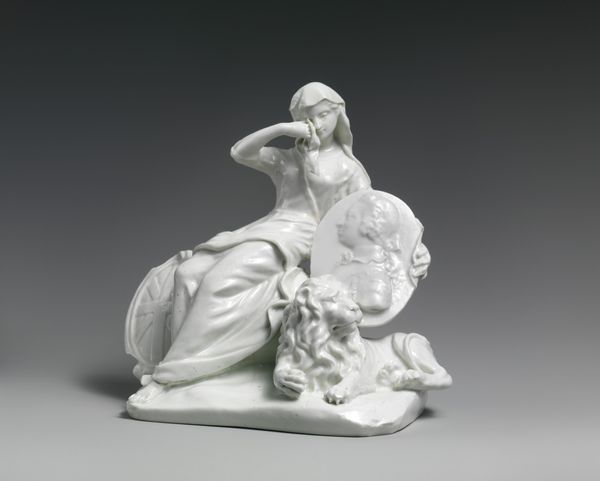
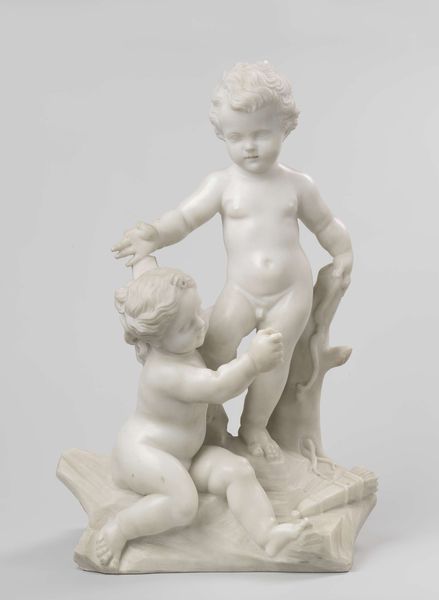
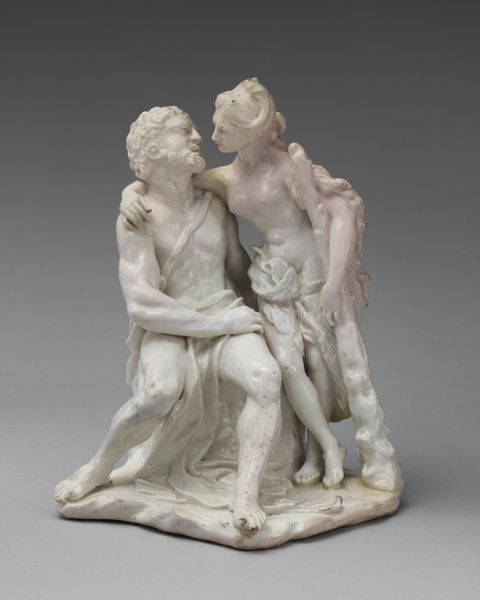
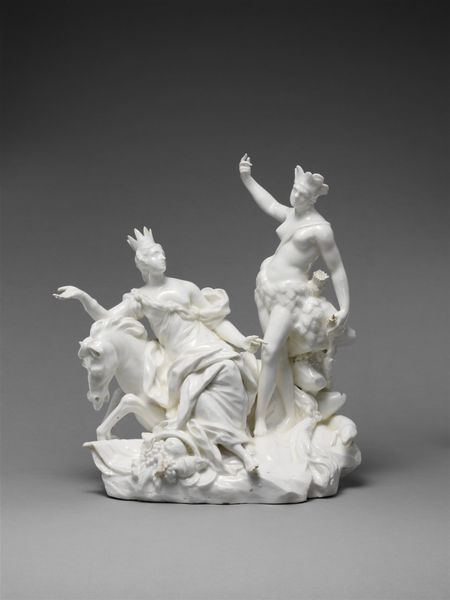
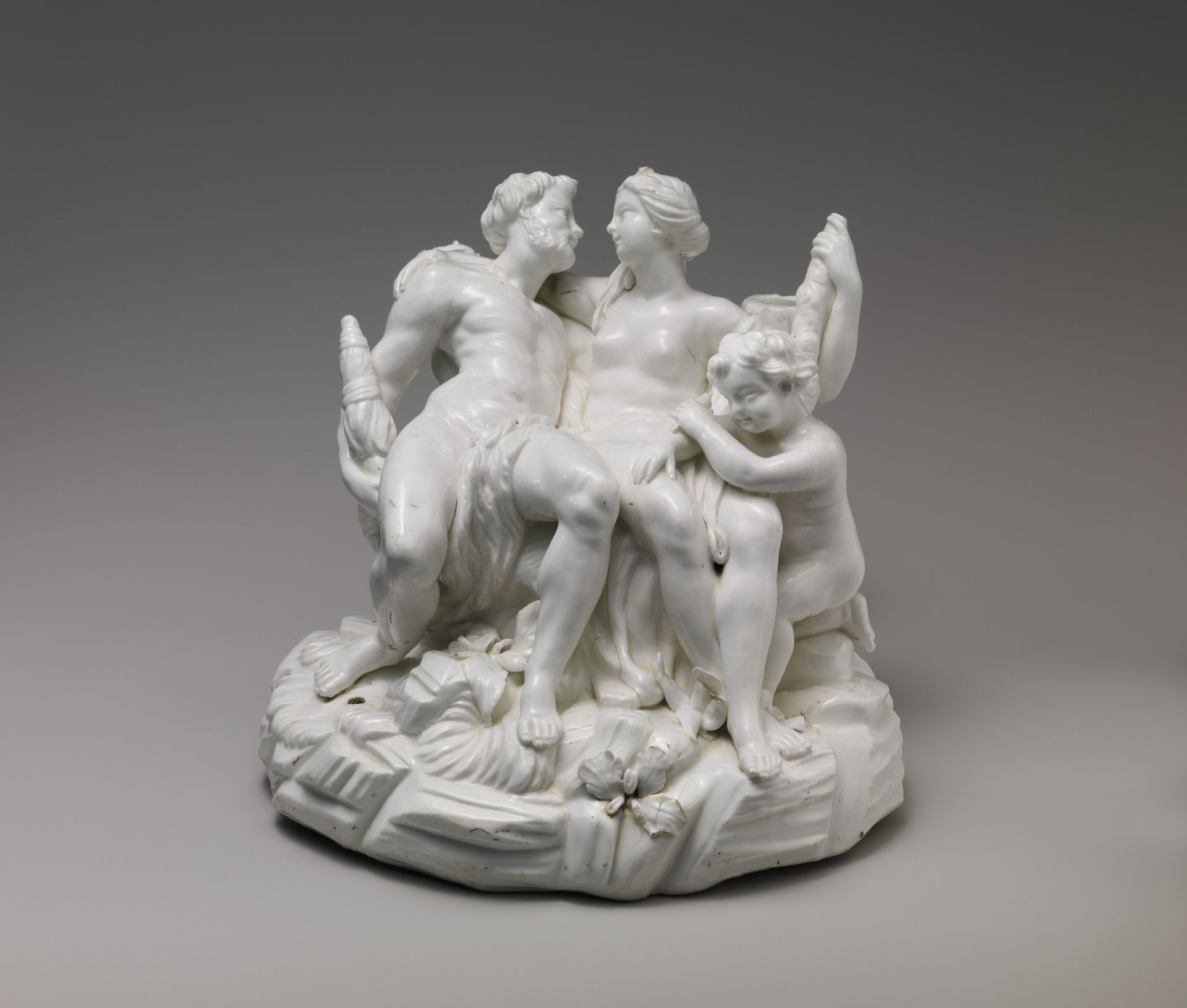
This is Hercules and Omphale, made of soft-paste porcelain at the Vincennes Manufactory in France around 1752. It depicts a scene from Greek mythology, where the hero Hercules is serving Queen Omphale as punishment for a crime. The sculpture is a product of its time, reflecting the Rococo style and the social values of the French court. The Vincennes Manufactory, later known as Sèvres, was closely associated with the French monarchy and catered to the tastes of the aristocracy. The choice of subject matter, with its emphasis on love, pleasure, and the power of women, would have appealed to the courtly audience. The mythological subject serves as a commentary on the social structures of its time. Understanding this sculpture requires examining the historical context in which it was made. Researching the patronage of the Vincennes Manufactory and the cultural values of the French court can provide insights into the artwork's meaning and significance. Art is contingent on its social and institutional context.
Hercules and Omphale
1744 - 1754

Vincennes Manufactory
1740 - 1756
The Metropolitan Museum of Art
Metropolitan Museum of Art, New York, NYArtwork details
- Medium
- ceramic, porcelain, sculpture
- Dimensions
- Overall: (confirmed): 8 7/8 × 9 13/16 × 9 3/8 in. (22.5 × 24.9 × 23.8 cm)
- Location
- Metropolitan Museum of Art, New York, NY
- Copyright
- Public Domain
Tags
Comments
Share your thoughts
About this artwork
This is Hercules and Omphale, made of soft-paste porcelain at the Vincennes Manufactory in France around 1752. It depicts a scene from Greek mythology, where the hero Hercules is serving Queen Omphale as punishment for a crime. The sculpture is a product of its time, reflecting the Rococo style and the social values of the French court. The Vincennes Manufactory, later known as Sèvres, was closely associated with the French monarchy and catered to the tastes of the aristocracy. The choice of subject matter, with its emphasis on love, pleasure, and the power of women, would have appealed to the courtly audience. The mythological subject serves as a commentary on the social structures of its time. Understanding this sculpture requires examining the historical context in which it was made. Researching the patronage of the Vincennes Manufactory and the cultural values of the French court can provide insights into the artwork's meaning and significance. Art is contingent on its social and institutional context.
Comments
Share your thoughts