1736 - 1737
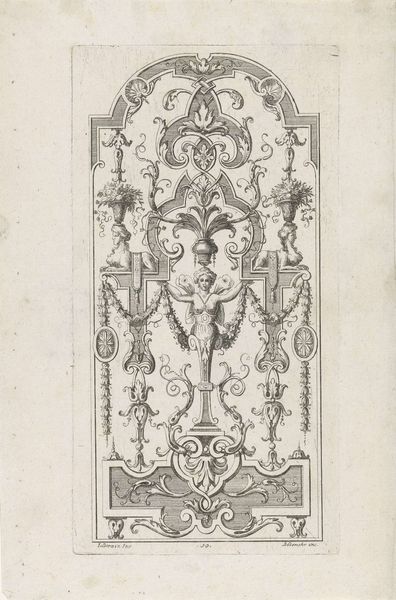
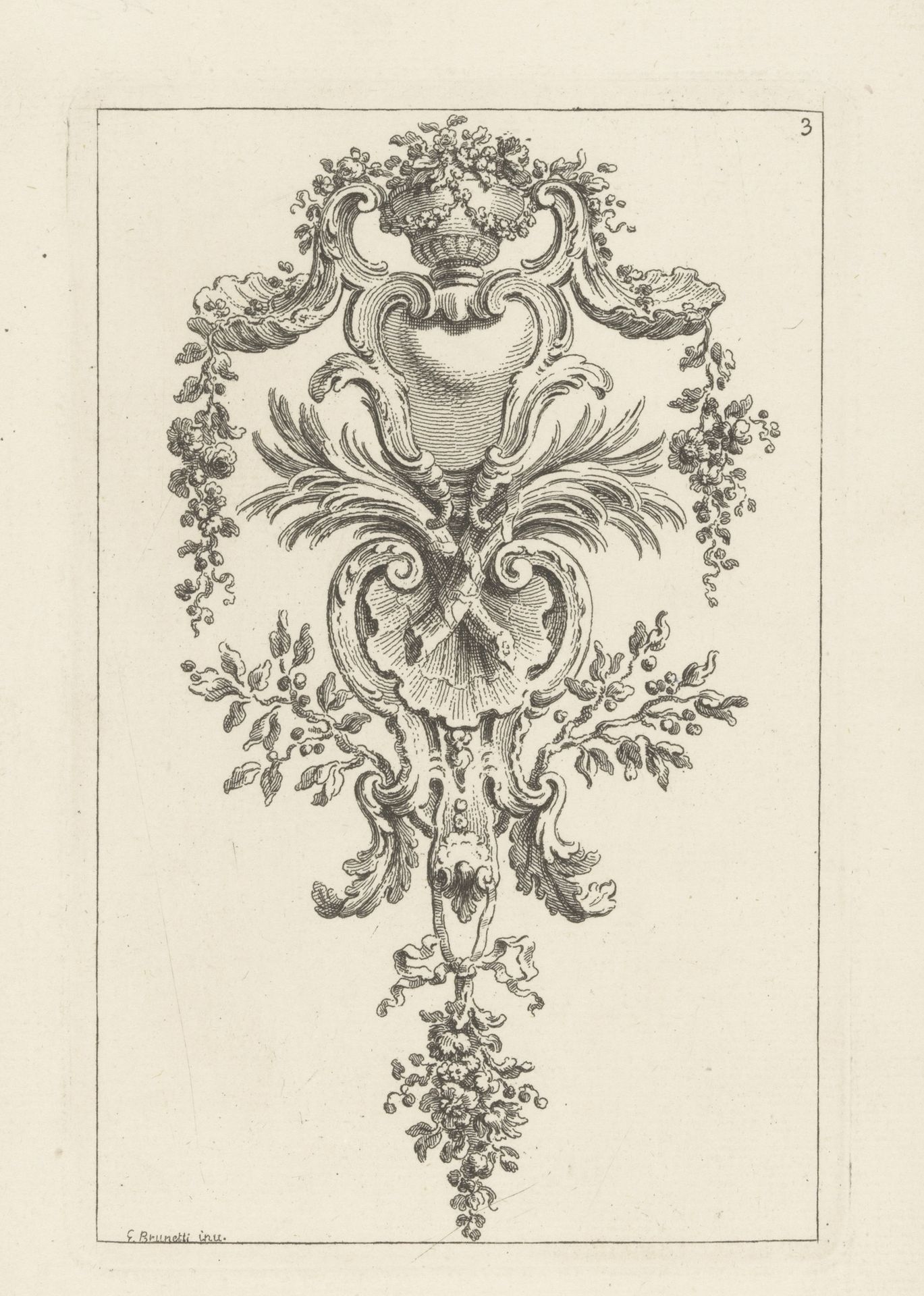
Ornament met vaas, cartouches en palmtakken

Listen to curator's interpretation
Curatorial notes
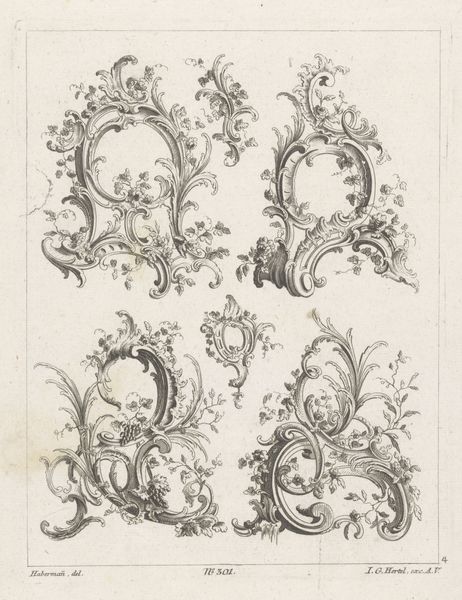
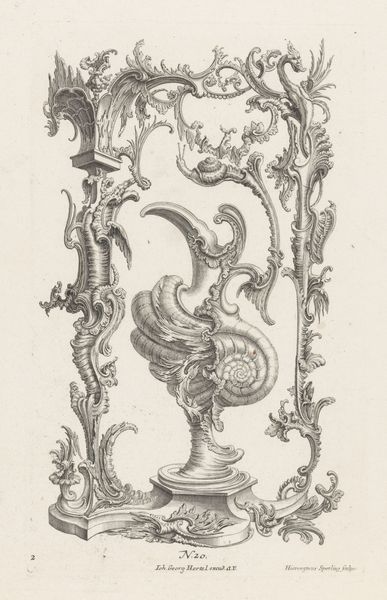
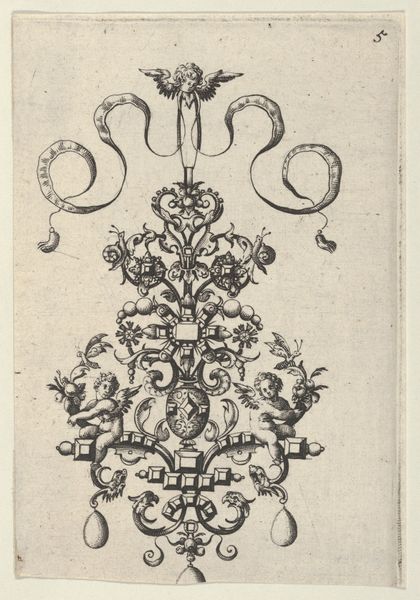
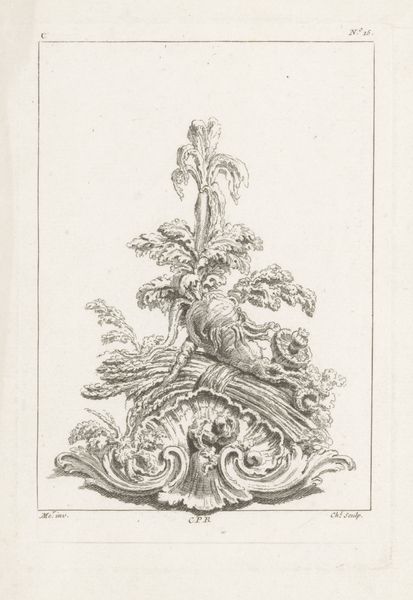
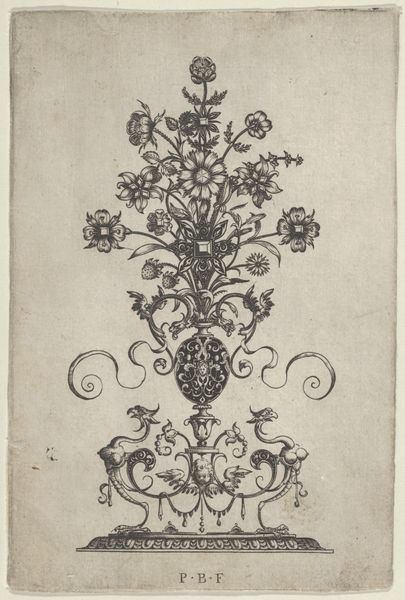
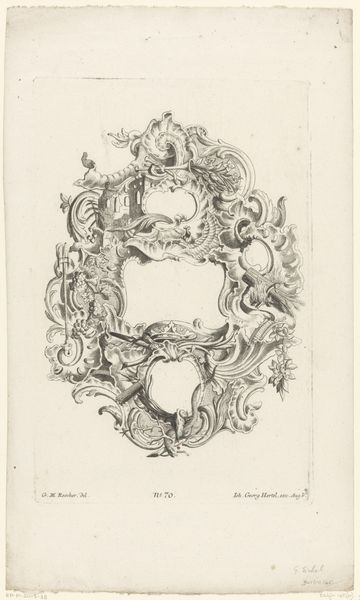
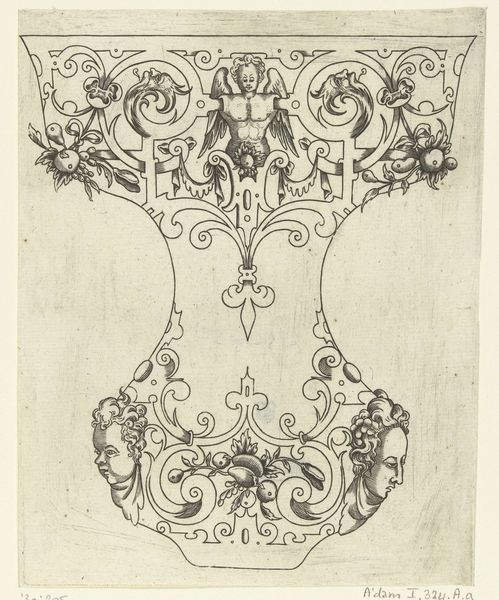
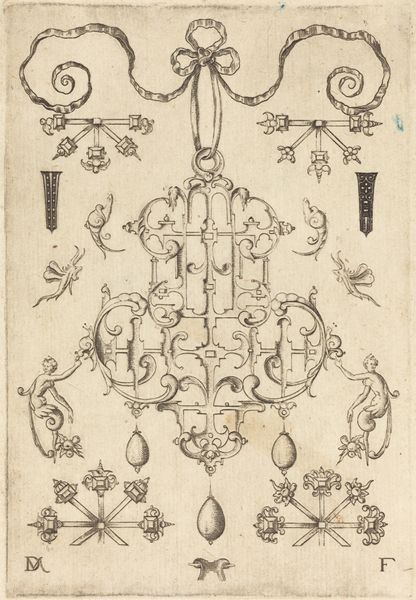
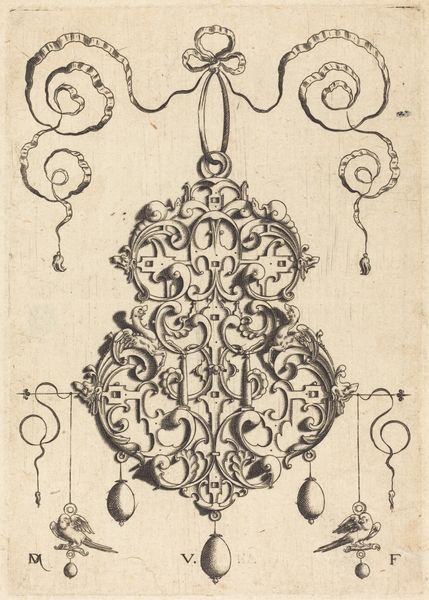
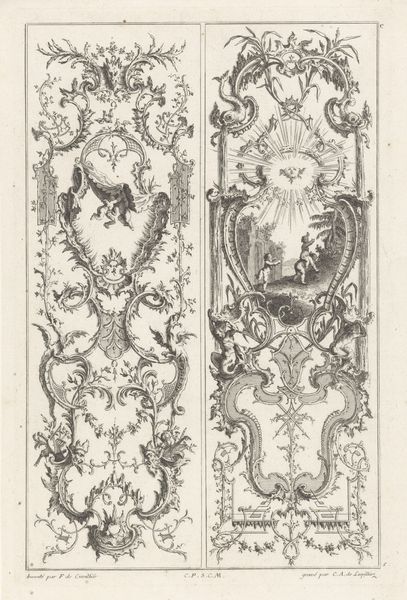
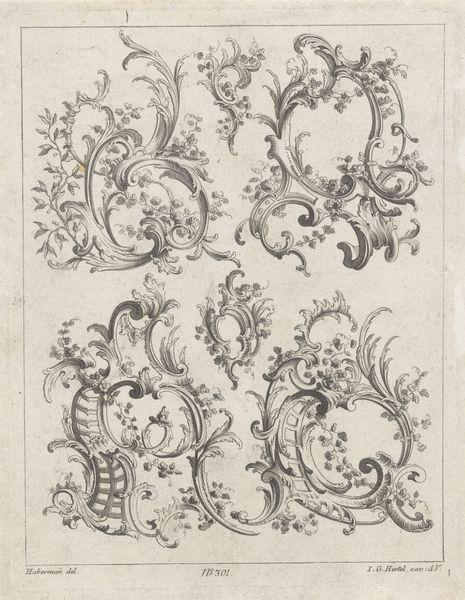
Henry Fletcher made this print of an ornament with a vase, cartouches and palm branches. Ornament prints like this one served a vital function in the 18th century economy. They were essentially pattern books that craftsmen could consult to produce luxury goods for wealthy consumers. Looking closely at the image, we see its mass-producible, etched lines depict fashionable, neoclassically-inspired motifs such as curving, stylized leaves, ribbons, and a fluted vase overflowing with flowers. These kinds of features are the visual language through which consumers signalled their social status and taste. The print is a material trace of early consumer culture and the expansion of markets that would become capitalism. To understand it fully, we might research the printmaking trade in 18th century Europe, read period descriptions of interior decoration, or study the account books of cabinetmakers. The meaning of art is always contingent on its historical moment.