About this artwork
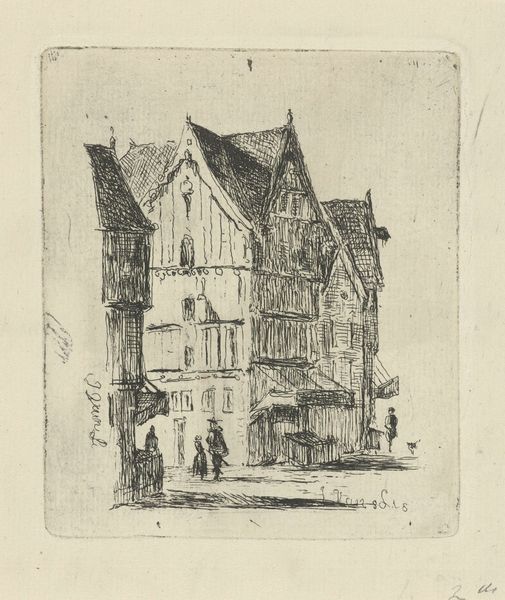
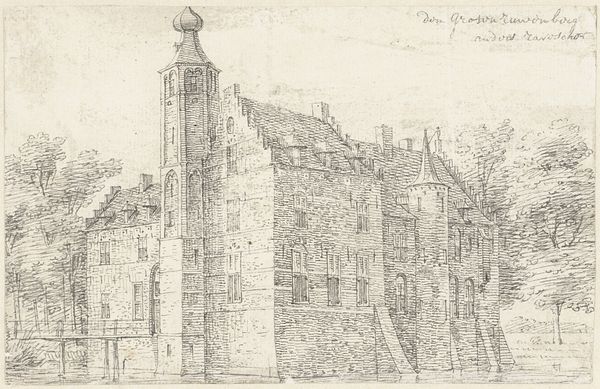
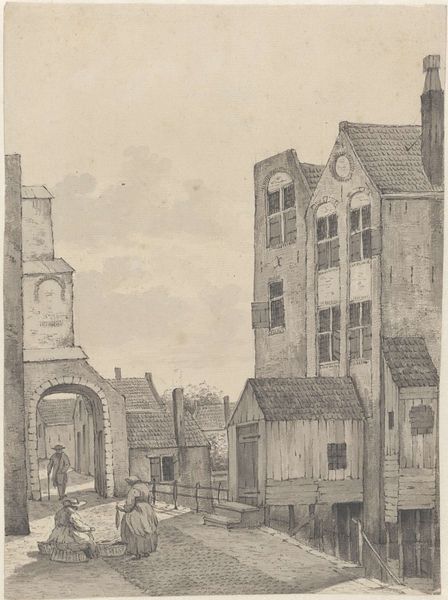
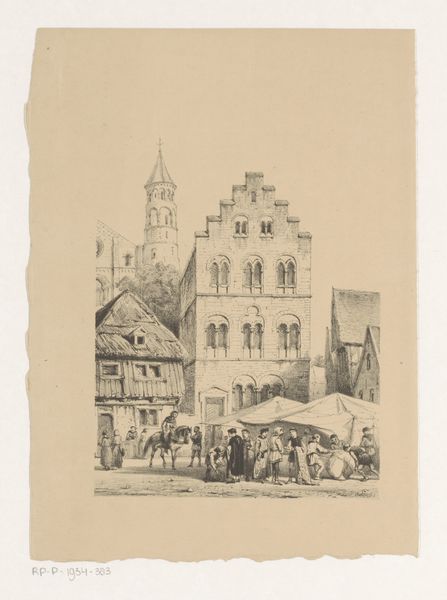
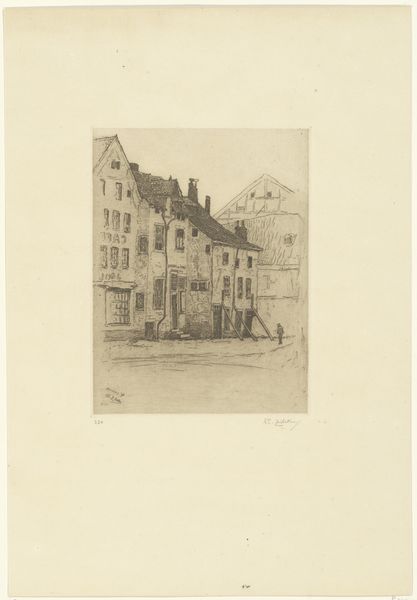
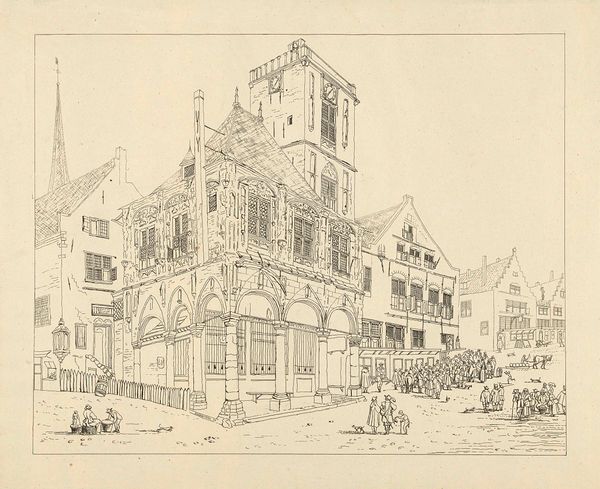
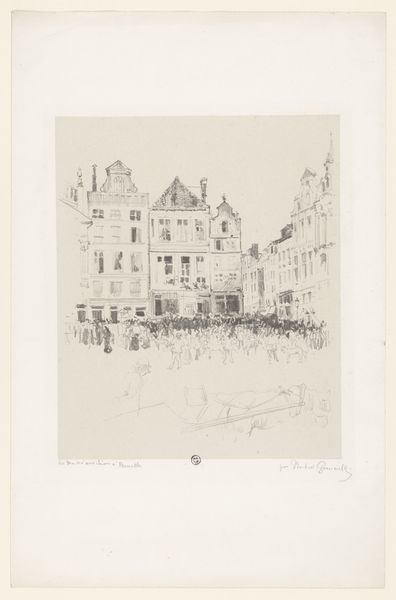
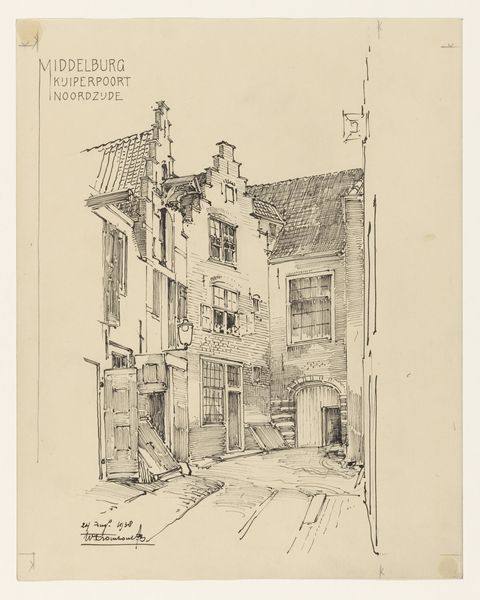
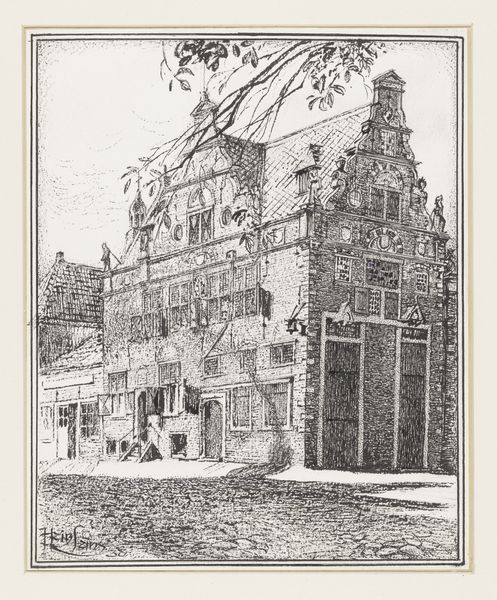
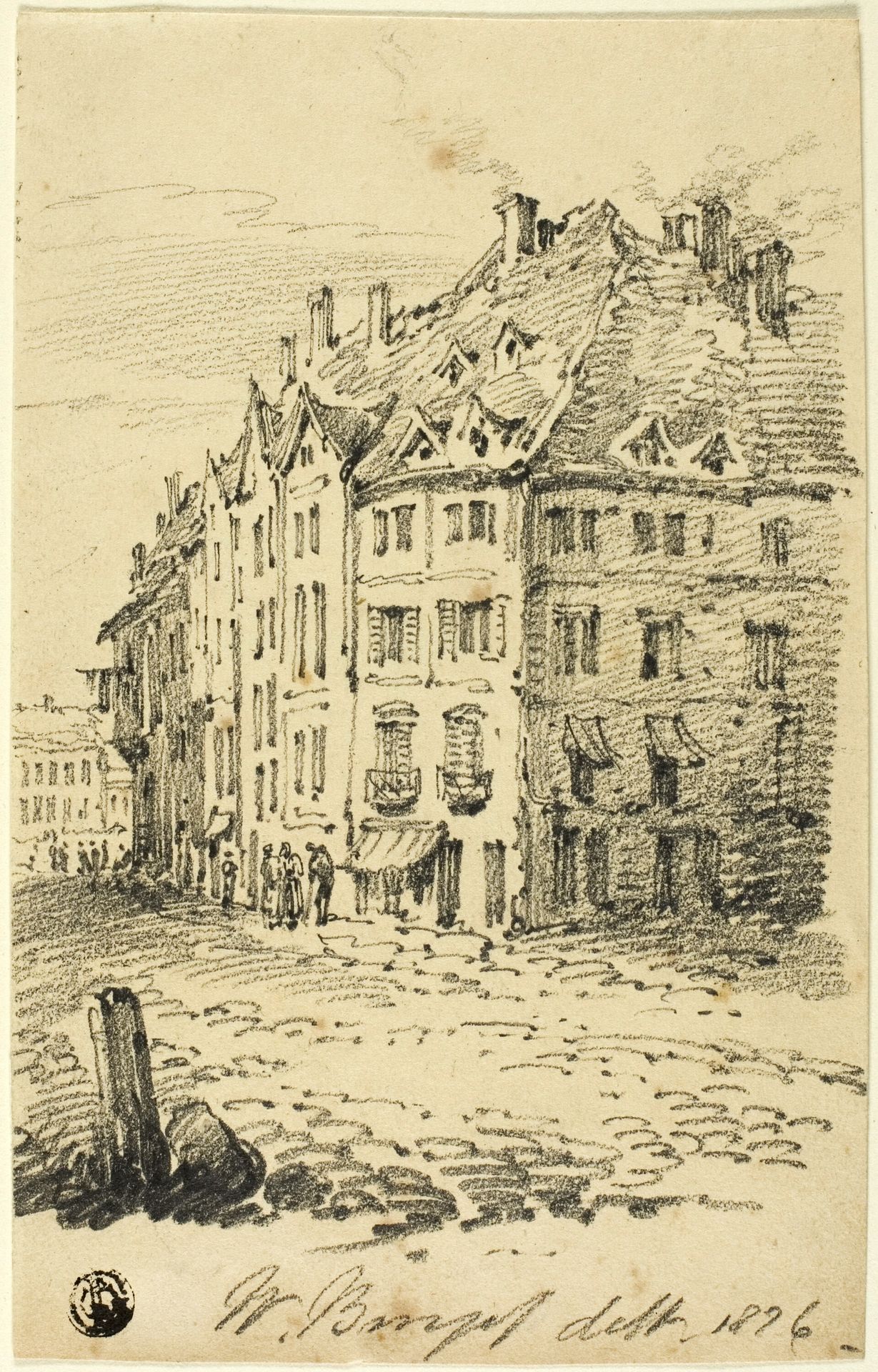
William Burges’s ‘City Street’ was made in 1876 using graphite on paper. Burges was active during a period of rapid urban expansion and industrial change. The graphite strokes capture the architectural environment but also the social dynamics of the time. The buildings loom large, their uniform façades reflecting the period’s emphasis on order and progress. Small groups of figures animate the street, their presence a reminder of human activity within the urban landscape. Burges chooses not to idealize the city, but rather presents it as a complex space, shaped by both its inhabitants and the structures that house them. Burges was an architect and designer, known for his contributions to the Gothic Revival movement. His personal views on design and architecture are thought to have been shaped by his fascination with the medieval period, when he would try to capture an essence of the era. This drawing resonates as a testament to the human experience of urban life, capturing the convergence of architecture, society, and individual identity.
City Street
1876


Artwork details
- Medium
- drawing, print, paper, ink, pencil, pen
- Dimensions
- 195 × 123 mm
- Location
- The Art Institute of Chicago
- Copyright
- Public Domain
Tags
Comments
Share your thoughts
About this artwork
William Burges’s ‘City Street’ was made in 1876 using graphite on paper. Burges was active during a period of rapid urban expansion and industrial change. The graphite strokes capture the architectural environment but also the social dynamics of the time. The buildings loom large, their uniform façades reflecting the period’s emphasis on order and progress. Small groups of figures animate the street, their presence a reminder of human activity within the urban landscape. Burges chooses not to idealize the city, but rather presents it as a complex space, shaped by both its inhabitants and the structures that house them. Burges was an architect and designer, known for his contributions to the Gothic Revival movement. His personal views on design and architecture are thought to have been shaped by his fascination with the medieval period, when he would try to capture an essence of the era. This drawing resonates as a testament to the human experience of urban life, capturing the convergence of architecture, society, and individual identity.
Comments
Share your thoughts