drawing, paper, ink, pencil
#
art-deco
#
drawing
#
table
#
pen sketch
#
hand drawn type
#
paper
#
form
#
personal sketchbook
#
ink
#
idea generation sketch
#
ink drawing experimentation
#
geometric
#
pen-ink sketch
#
pencil
#
line
#
sketchbook drawing
#
storyboard and sketchbook work
#
decorative-art
#
sketchbook art
#
initial sketch
Copyright: Rijks Museum: Open Domain
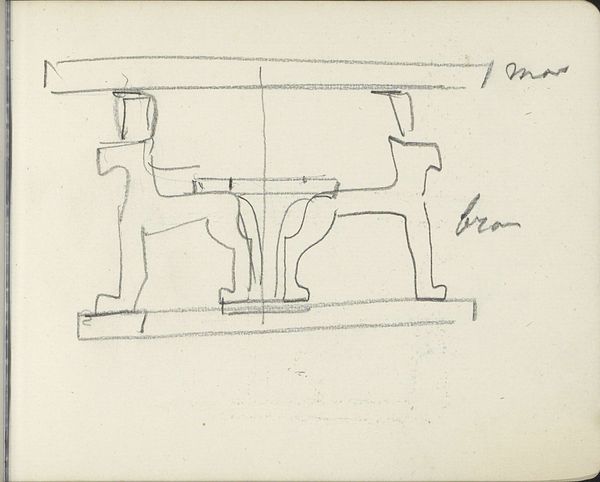
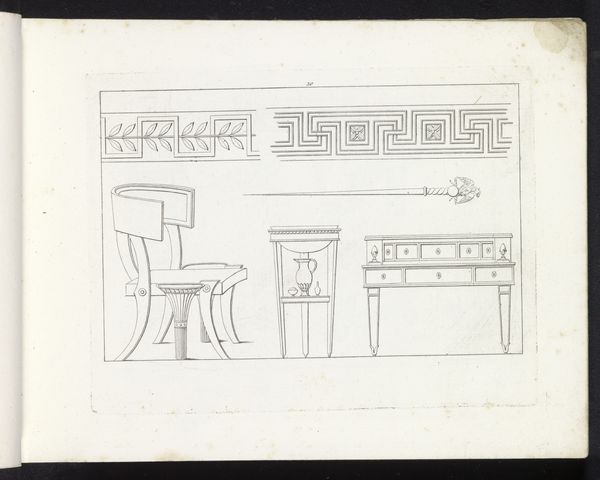
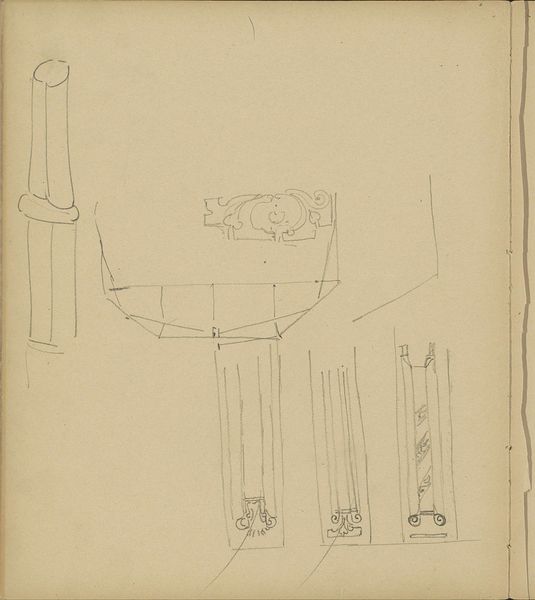
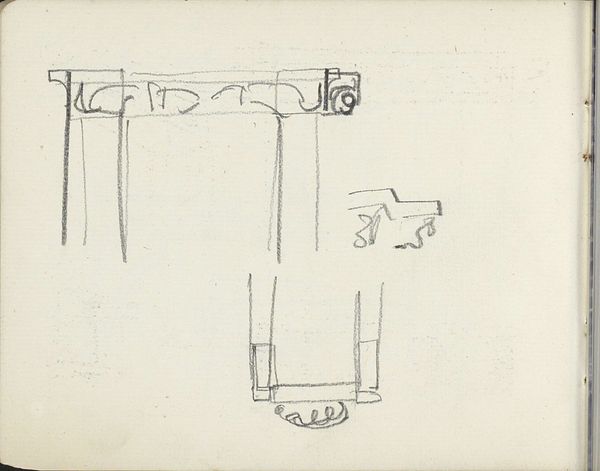
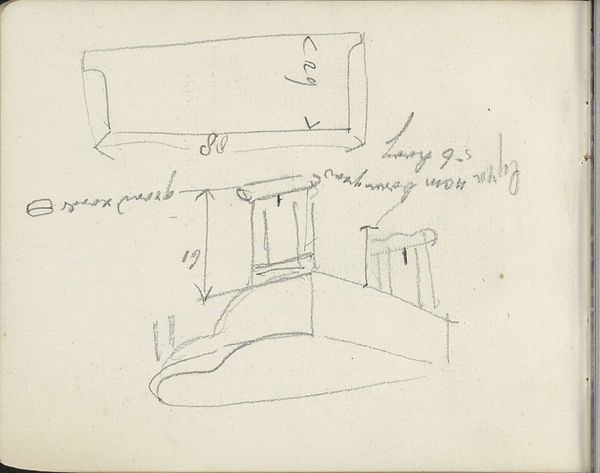
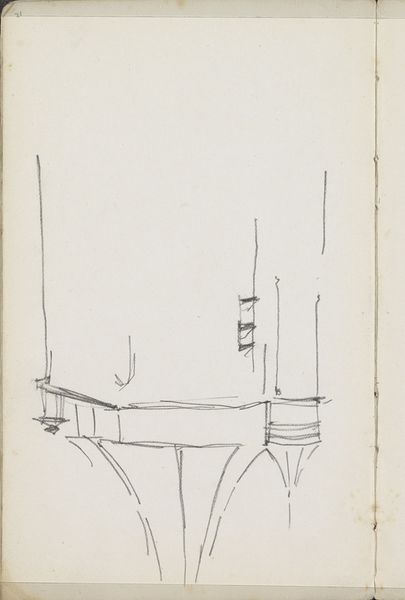
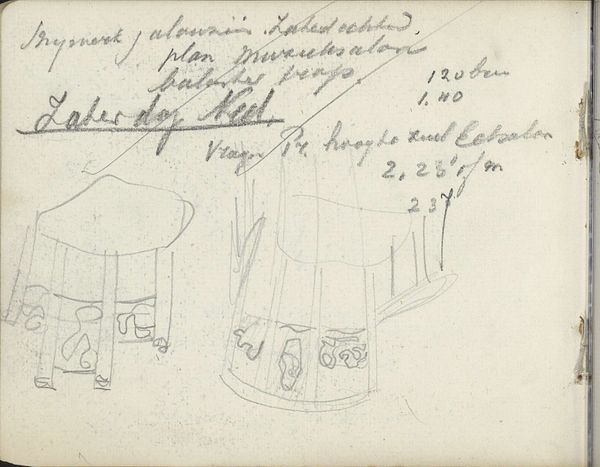
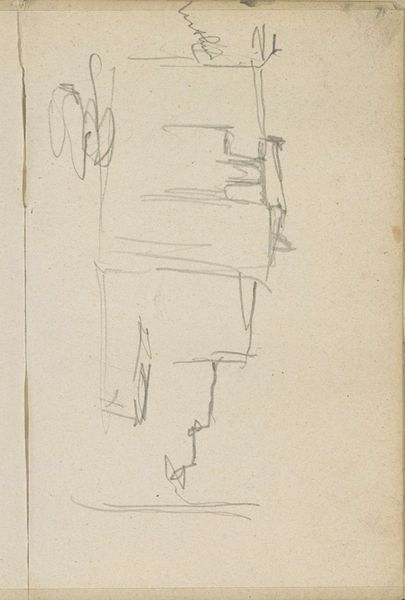
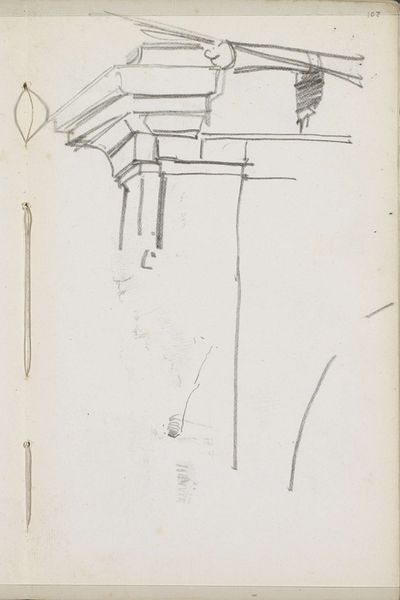
Editor: Here we have Carel Adolph Lion Cachet’s "Ontwerp voor een tafel met dierlijke ornamenten," a design for a table featuring animal ornamentation from around 1928. It's an ink and pencil drawing on paper, currently held at the Rijksmuseum. The sketch-like quality really emphasizes the Art Deco style, and it almost feels like we are seeing the initial stage of the table's development. What strikes you about this work? Curator: This drawing, though seemingly simple, offers a fascinating insight into the production and materiality of design during the Art Deco period. It highlights a departure from solely functional design towards pieces intended as artistic commodities. Look at how the animal ornaments – probably meant to be cast in metal or carved from wood - become a key element, transforming the table from a piece of furniture to a kind of collectible sculpture. The design emphasizes luxurious, and even somewhat exotic, materials destined for display in fashionable salons. Editor: That's interesting, so it’s about the intended consumer experience too, not just how it looks? Curator: Exactly. Think about the social context: the roaring twenties, a boom in industrial production. The creation of such a table involves a whole chain of labor, from the designer like Cachet to the artisans who would execute the work in metal, wood or other materials. The drawing here functions as both an instruction and a blueprint in a way. What about the text included in the drawing, how do you think that plays into all this? Editor: Perhaps this design was just one small portion of a more encompassing layout plan, if I am understanding the references within it. Do you think its pen-and-ink medium contributed to it being art deco-centric, in conjunction to it primarily serving as a step to making art "commodities?" Curator: That is a fair point! Exploring Cachet's intent really changes the perspective on the context within that time, and the functionality beyond its base design. Editor: Absolutely, thinking about it this way definitely gives me a deeper appreciation for how this design functions as a point of connection between artistic intention, industrial production, and the culture of luxury.
Comments
No comments
Be the first to comment and join the conversation on the ultimate creative platform.
 Collect
 React
React Comment
More like this