About this artwork
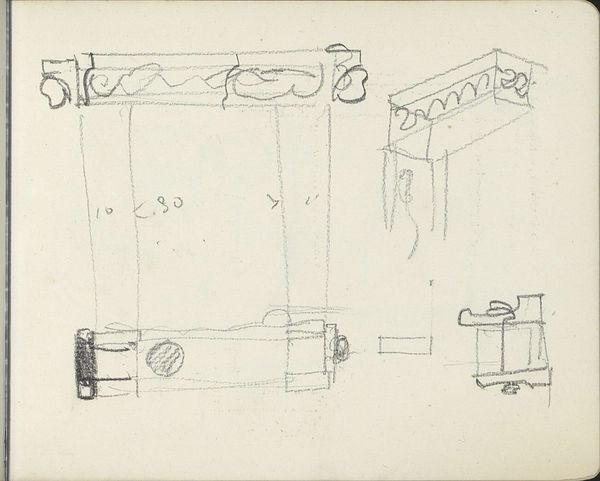
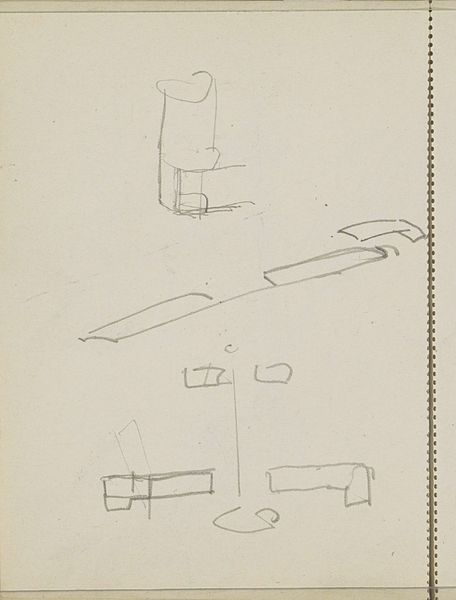
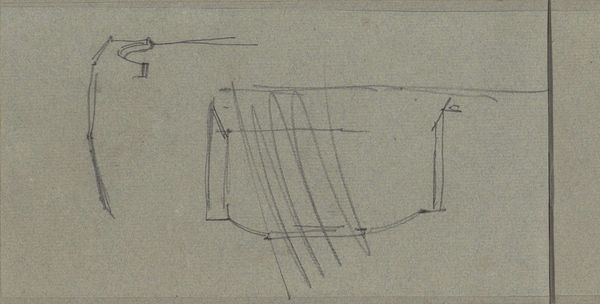
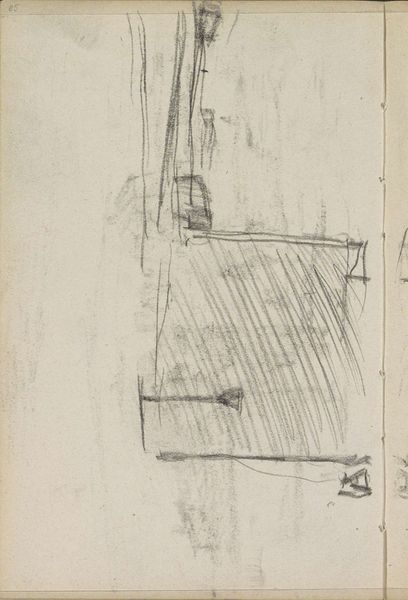
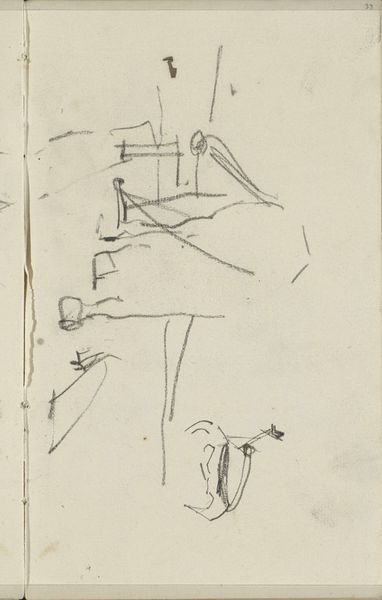
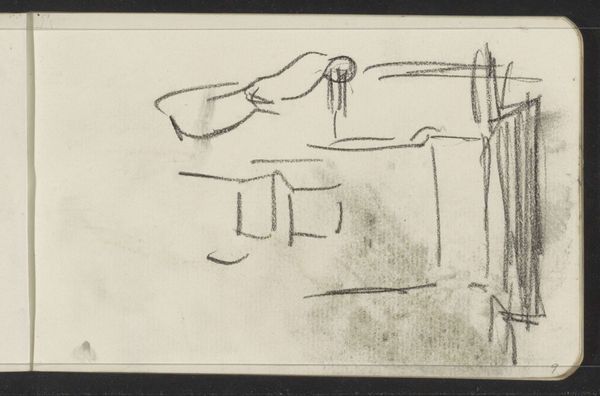
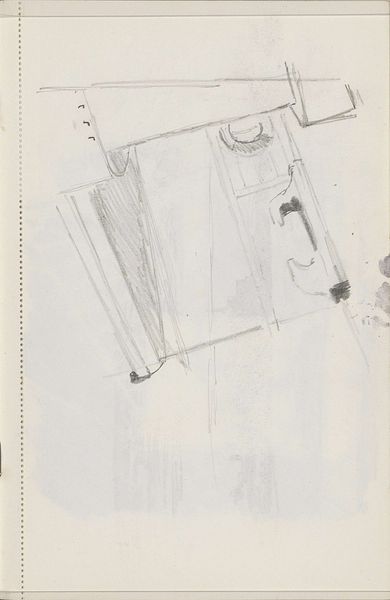
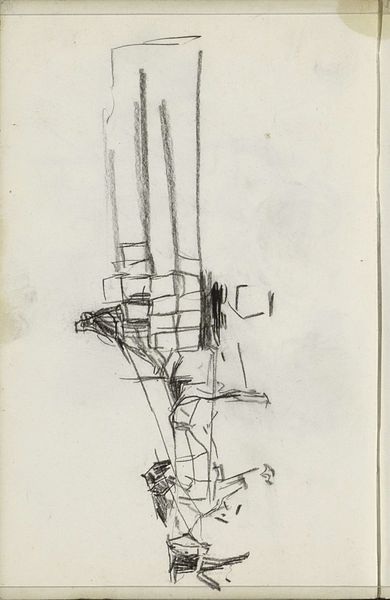
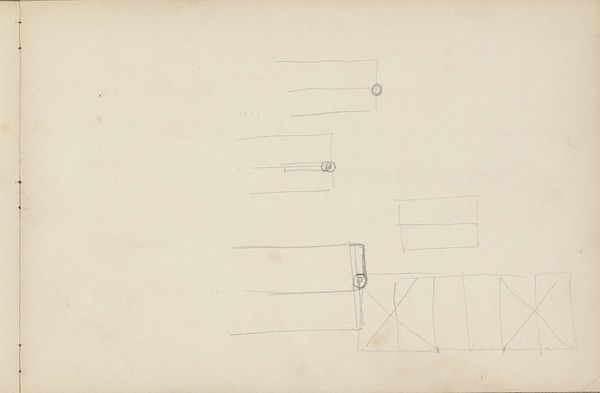
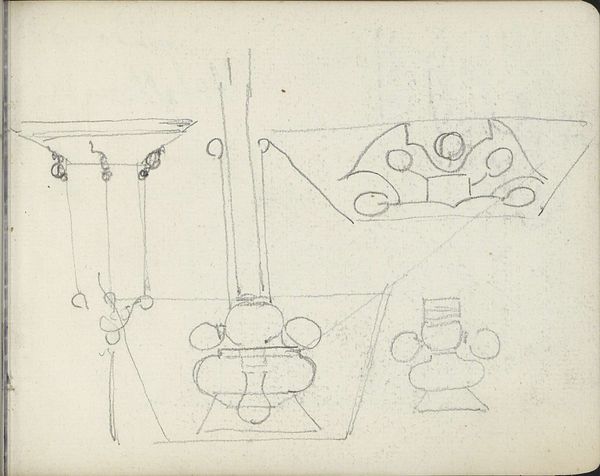
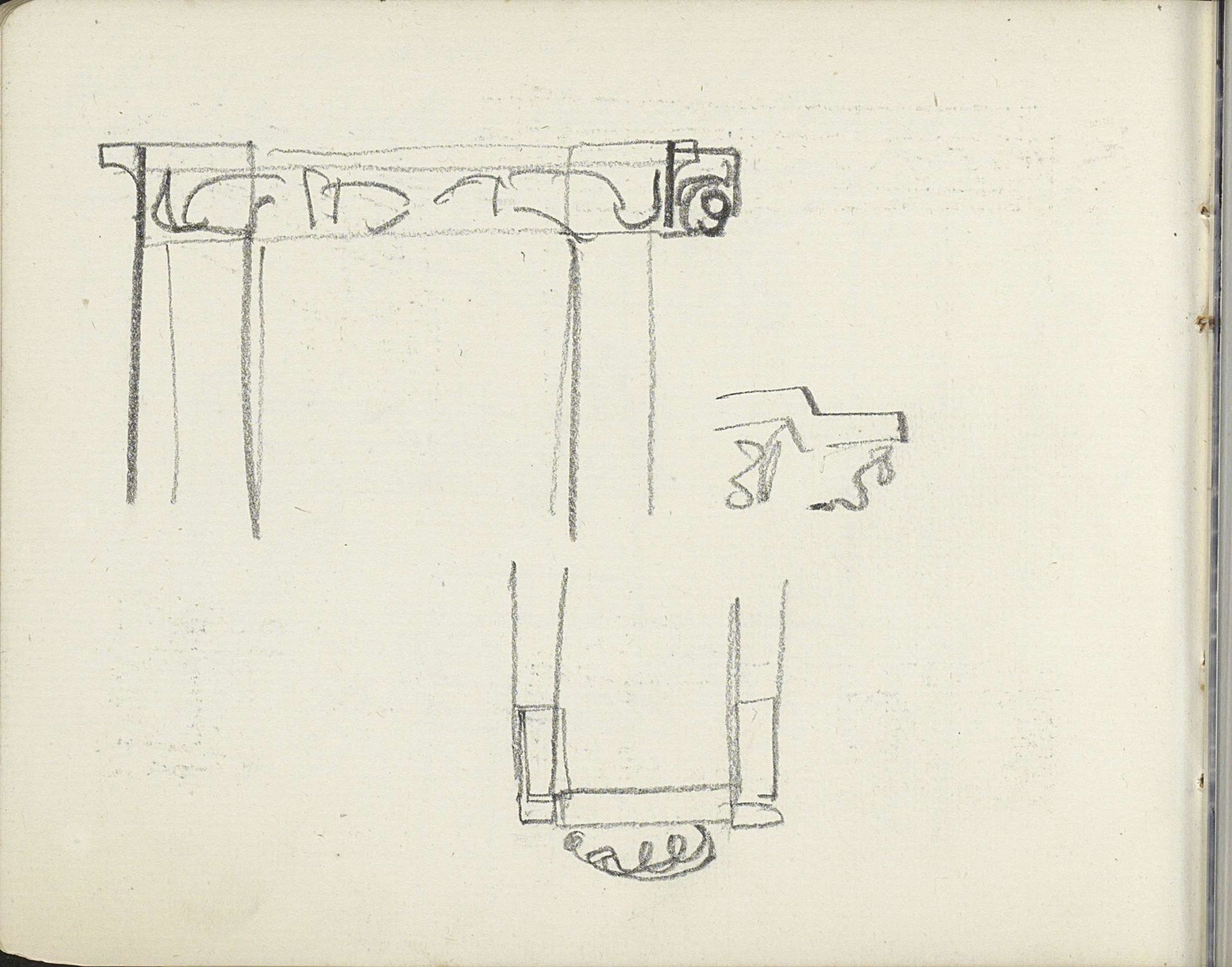
Carel Adolph Lion Cachet made this pencil drawing entitled "Ontwerp voor een schoorsteenmantel," or Design for a Mantelpiece, sometime between 1880 and 1945. Cachet was a Dutch artist trained in decorative arts, and this sketch gives us a glimpse into the design process of the Dutch upper classes, in which architects and artists created bespoke interiors in the home. The mantelpiece was a key element in the bourgeois home, particularly in the Netherlands, where a strong sense of domesticity dominated the cultural landscape. In this drawing, we can see the attention to detail in the decorative carving above the main structure of the fireplace. This kind of design was integral to the development of Dutch national identity through visual expression. The social history of art helps us understand how domestic life and the institutions of art were deeply intertwined. Using sources such as architectural plans, interior design catalogues, and personal letters, we can better understand the values that shaped the creation and reception of art in Dutch society.
Ontwerp voor een schoorsteenmantel
c. 1928

Carel Adolph Lion Cachet
1864 - 1945Location
RijksmuseumArtwork details
- Location
- Rijksmuseum
- Copyright
- Rijks Museum: Open Domain
Tags
Comments
Share your thoughts
About this artwork
Carel Adolph Lion Cachet made this pencil drawing entitled "Ontwerp voor een schoorsteenmantel," or Design for a Mantelpiece, sometime between 1880 and 1945. Cachet was a Dutch artist trained in decorative arts, and this sketch gives us a glimpse into the design process of the Dutch upper classes, in which architects and artists created bespoke interiors in the home. The mantelpiece was a key element in the bourgeois home, particularly in the Netherlands, where a strong sense of domesticity dominated the cultural landscape. In this drawing, we can see the attention to detail in the decorative carving above the main structure of the fireplace. This kind of design was integral to the development of Dutch national identity through visual expression. The social history of art helps us understand how domestic life and the institutions of art were deeply intertwined. Using sources such as architectural plans, interior design catalogues, and personal letters, we can better understand the values that shaped the creation and reception of art in Dutch society.
Comments
Share your thoughts