![Untitled [half-length portrait of a gentleman] by Jeremiah Gurney](https://d2w8kbdekdi1gv.cloudfront.net/eyJidWNrZXQiOiAiYXJ0ZXJhLWltYWdlcy1idWNrZXQiLCAia2V5IjogImFydHdvcmtzL2QwYWM2YWZhLTZkMDQtNDdhOC1hOTdhLTFiYWNmYTk2NzU5NS9kMGFjNmFmYS02ZDA0LTQ3YTgtYTk3YS0xYmFjZmE5Njc1OTVfZnVsbC5qcGciLCAiZWRpdHMiOiB7InJlc2l6ZSI6IHsid2lkdGgiOiAxOTIwLCAiaGVpZ2h0IjogMTkyMCwgImZpdCI6ICJpbnNpZGUifX19)
About this artwork
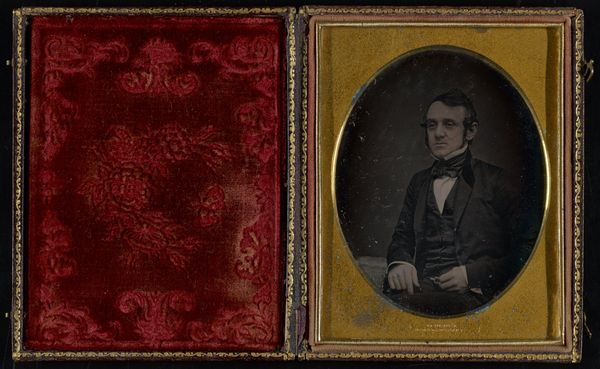
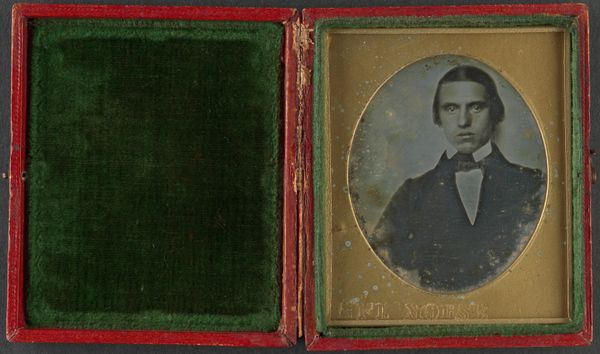
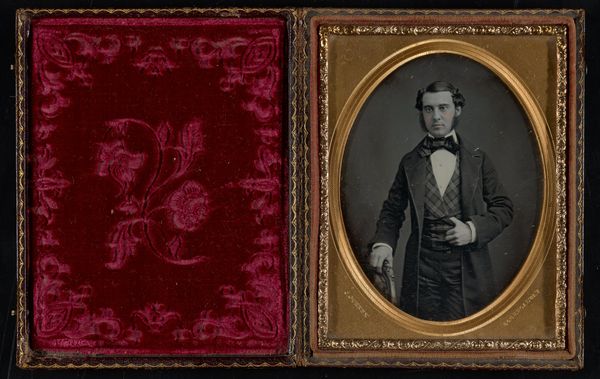
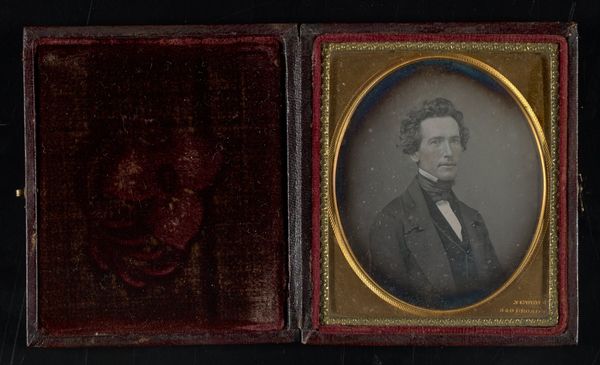
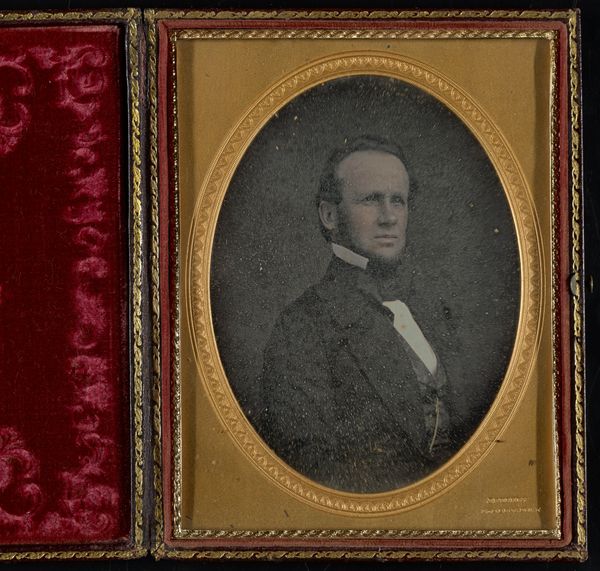
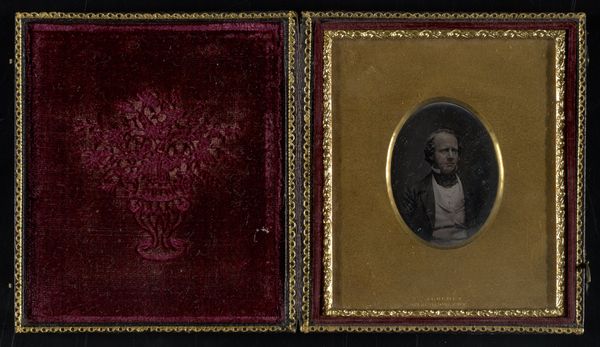
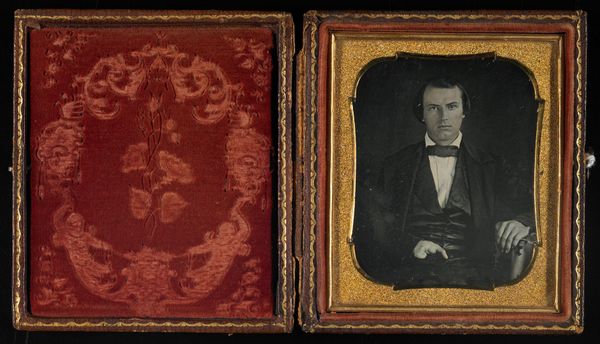
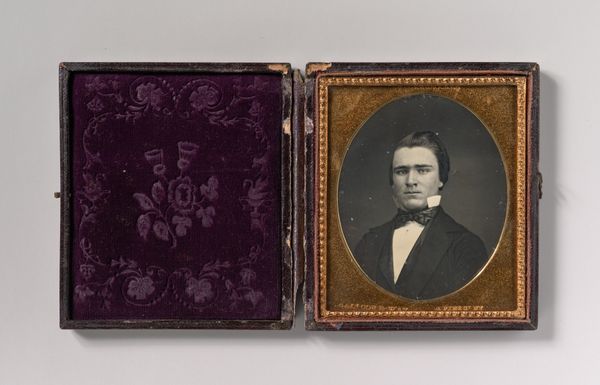
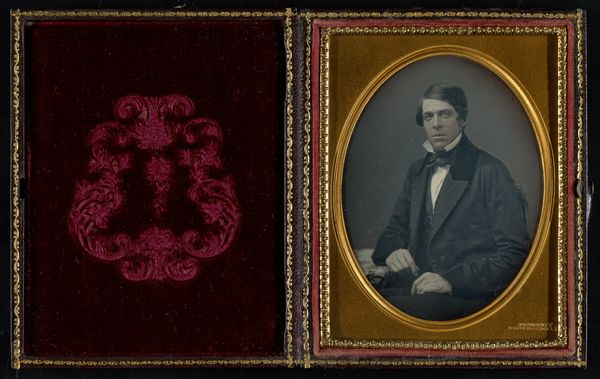
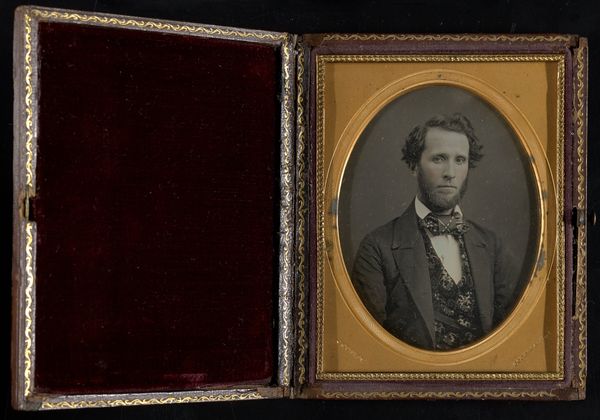
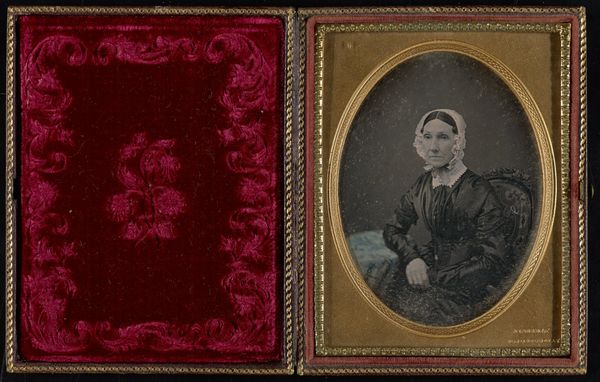
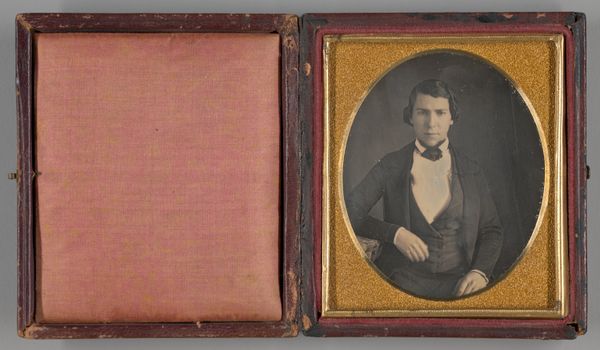
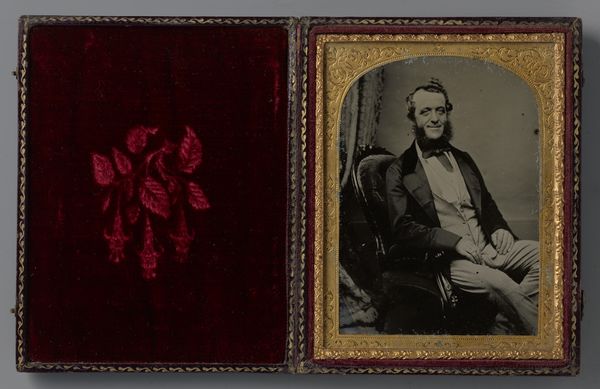
This portrait of a gentleman was made by Jeremiah Gurney, a prominent New York photographer, using the daguerreotype process. The image is created on a silvered copper plate, meticulously polished to a mirror finish, then sensitized with iodine vapor. After exposure in the camera, mercury vapor develops the image. What we see here is a unique object. The reflective surface gives the image a subtle, ethereal quality. It feels precious, almost jewel-like. The amount of skill, labor, and materials involved in making a daguerreotype was substantial. Each portrait required careful preparation, precise timing, and a mastery of chemical processes. This is far from the instant snapshots we take today! Consider the social context. In the mid-19th century, photography was still relatively new. Daguerreotypes were luxury items, affordable only to the middle and upper classes. This portrait speaks to a desire for self-representation and status. It also represents the intersection of art, science, and commerce, with skilled craftsmanship meeting the demands of a burgeoning consumer culture. It reminds us that even in the age of mechanical reproduction, materiality, and making still matter.
Untitled [half-length portrait of a gentleman]
1852 - 1858


Artwork details
- Medium
- daguerreotype, photography
- Dimensions
- 3 1/4 x 2 3/4 in. (8.26 x 6.99 cm) (image)3 5/8 x 3 1/8 x 3/4 in. (9.21 x 7.94 x 1.91 cm) (mount)
- Location
- Minneapolis Institute of Art
- Copyright
- Public Domain
Tags
Comments
Share your thoughts
About this artwork
This portrait of a gentleman was made by Jeremiah Gurney, a prominent New York photographer, using the daguerreotype process. The image is created on a silvered copper plate, meticulously polished to a mirror finish, then sensitized with iodine vapor. After exposure in the camera, mercury vapor develops the image. What we see here is a unique object. The reflective surface gives the image a subtle, ethereal quality. It feels precious, almost jewel-like. The amount of skill, labor, and materials involved in making a daguerreotype was substantial. Each portrait required careful preparation, precise timing, and a mastery of chemical processes. This is far from the instant snapshots we take today! Consider the social context. In the mid-19th century, photography was still relatively new. Daguerreotypes were luxury items, affordable only to the middle and upper classes. This portrait speaks to a desire for self-representation and status. It also represents the intersection of art, science, and commerce, with skilled craftsmanship meeting the demands of a burgeoning consumer culture. It reminds us that even in the age of mechanical reproduction, materiality, and making still matter.
Comments
Share your thoughts