About this artwork
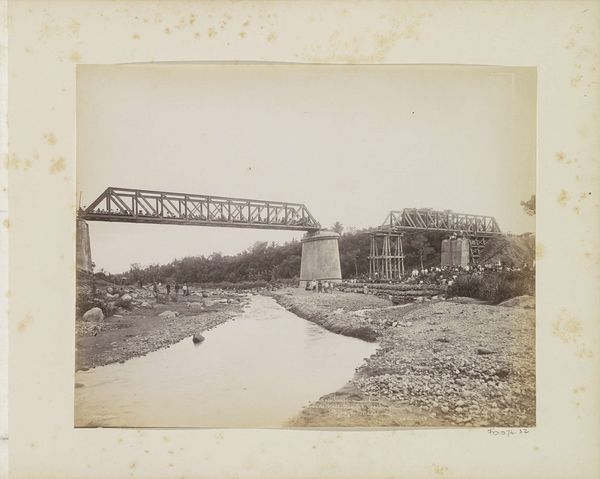
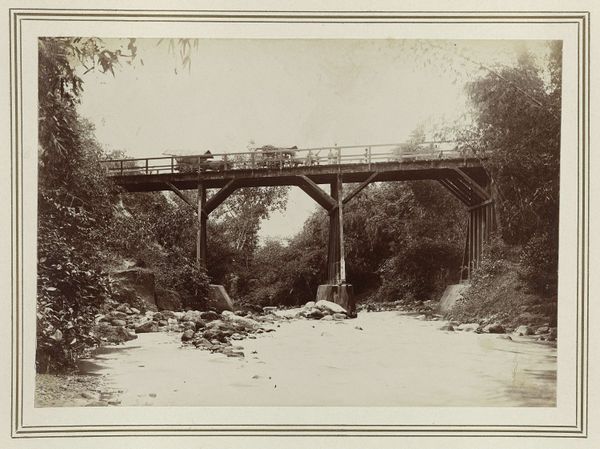
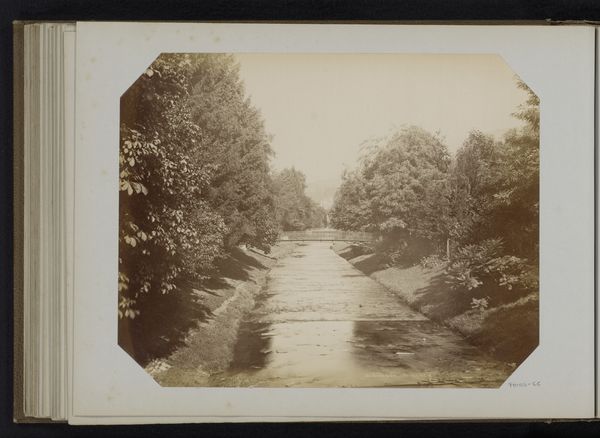
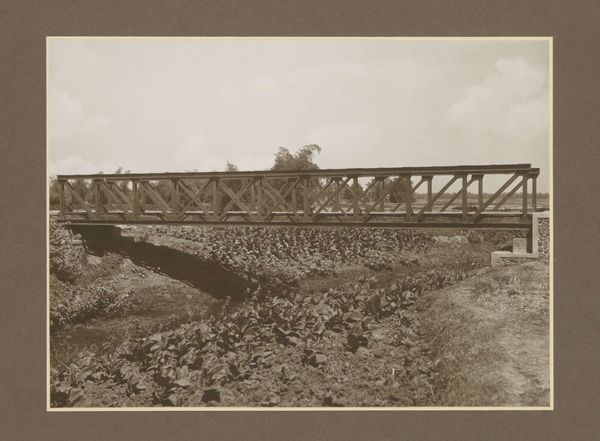
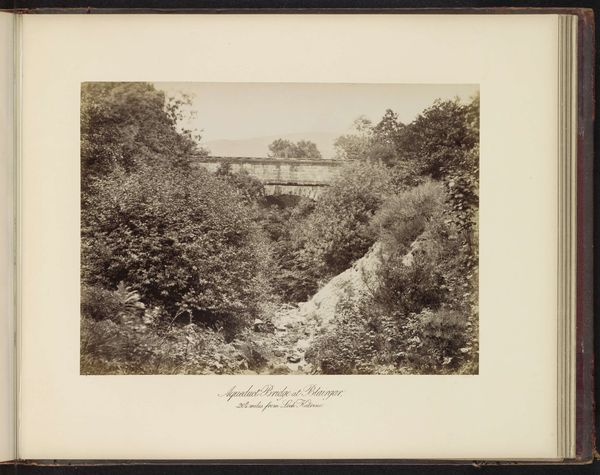
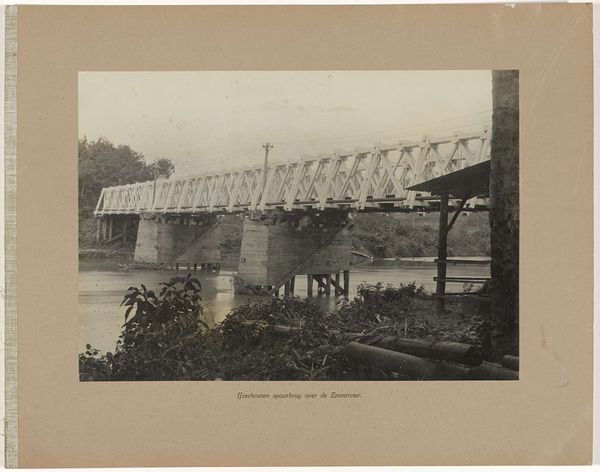
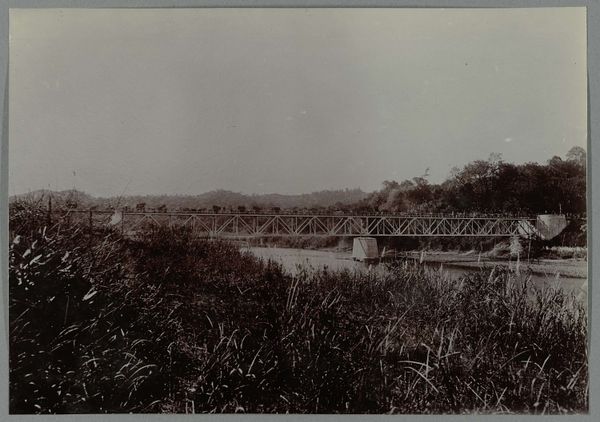
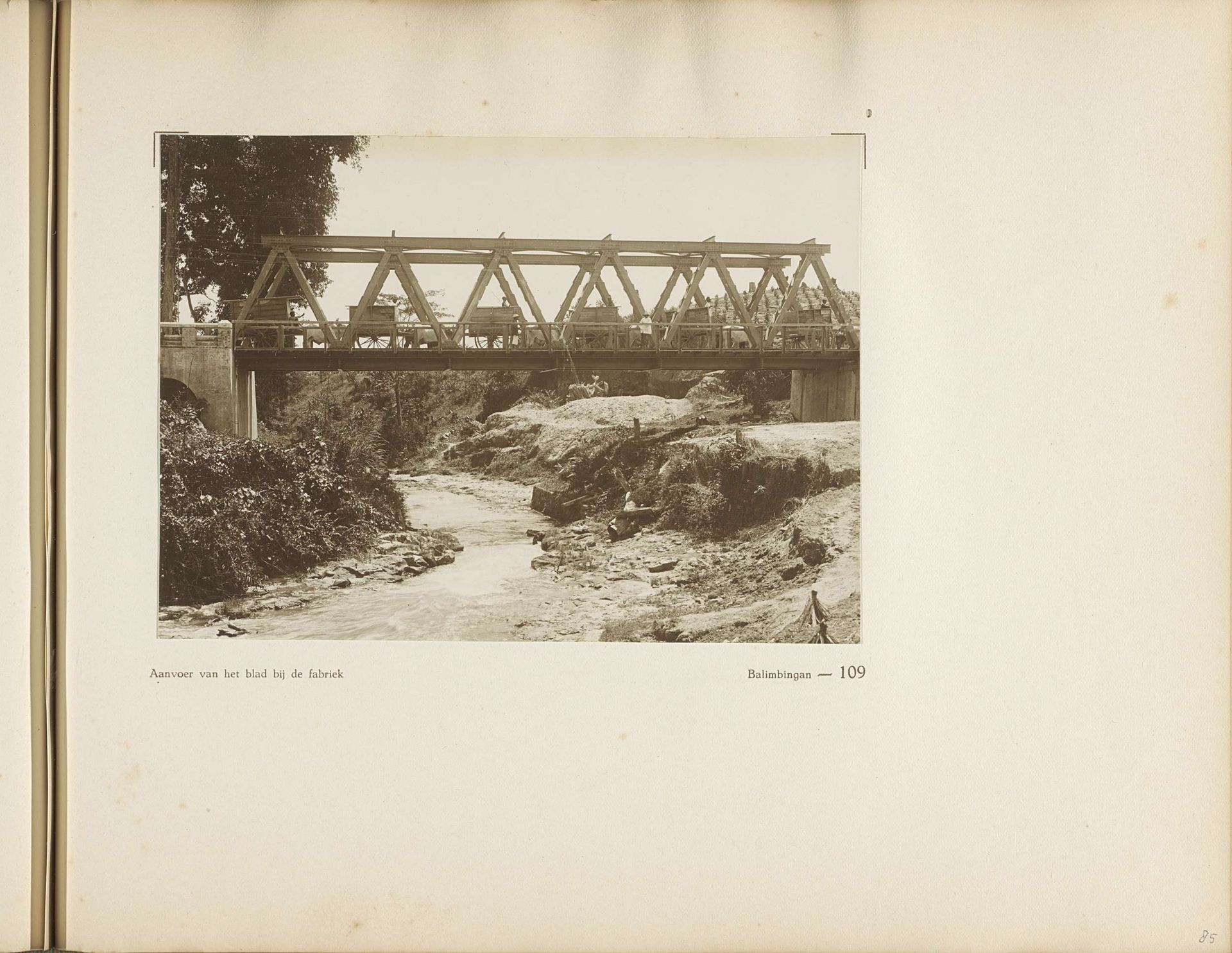
This is a photograph from a 19th Century photo book by J.W. Meyster, it shows a bridge somewhere on the east coast of Sumatra. What strikes me is how the photograph sits on the page. The book itself is the artwork; its creamy off-white pages act like a canvas or background for the images. The sepia tones and the way the image is framed within the page give it a unique texture. It’s as if the photo is a little window, offering a glimpse into another world, or another time. You can almost feel the weight of the paper, the texture of the binding, and the care with which it must have been put together. The image quality is not crystal clear, yet that’s what’s beautiful about it. It reminds me of Karl Blossfeldt’s plant photographs, but instead of plants, Meyster is cataloging industry and colonialism. Photography is so often associated with truth, but this book shows how photographs can be used to tell a story. Like a painting, it’s all about what the artist chooses to show us, and how they frame it.
Pagina 109 van fotoboek van de Algemeene Vereeniging van Rubberplanters ter Oostkust van Sumatra (A.V.R.O.S.)
c. 1924 - 1925

J.W. Meyster
1887 - 1945Location
RijksmuseumArtwork details
- Medium
- print, photography
- Dimensions
- height 240 mm, width 310 mm
- Location
- Rijksmuseum
- Copyright
- Rijks Museum: Open Domain
Tags
Comments
Share your thoughts
About this artwork
This is a photograph from a 19th Century photo book by J.W. Meyster, it shows a bridge somewhere on the east coast of Sumatra. What strikes me is how the photograph sits on the page. The book itself is the artwork; its creamy off-white pages act like a canvas or background for the images. The sepia tones and the way the image is framed within the page give it a unique texture. It’s as if the photo is a little window, offering a glimpse into another world, or another time. You can almost feel the weight of the paper, the texture of the binding, and the care with which it must have been put together. The image quality is not crystal clear, yet that’s what’s beautiful about it. It reminds me of Karl Blossfeldt’s plant photographs, but instead of plants, Meyster is cataloging industry and colonialism. Photography is so often associated with truth, but this book shows how photographs can be used to tell a story. Like a painting, it’s all about what the artist chooses to show us, and how they frame it.
Comments
Share your thoughts