1800 - 1822
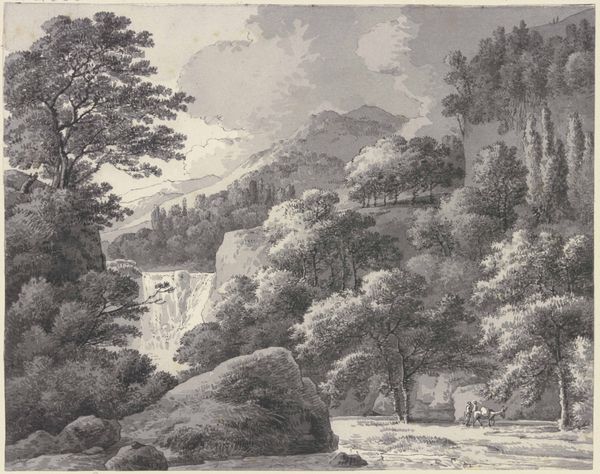
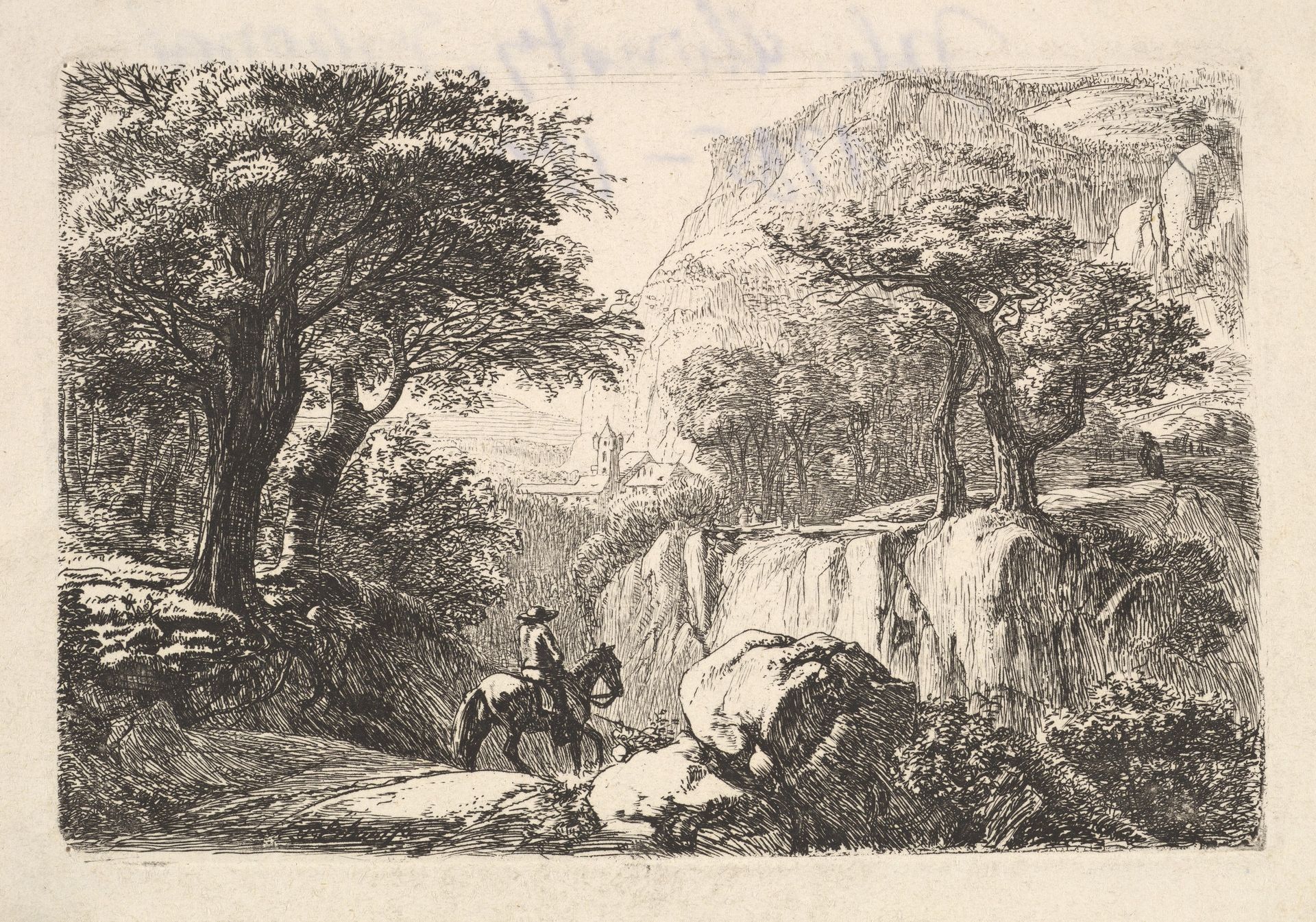
The Horseback Rider in the Gorge

Johann Christoph Erhard
1795 - 1822
The Metropolitan Museum of Art
Metropolitan Museum of Art, New York, NYListen to curator's interpretation
Curatorial notes
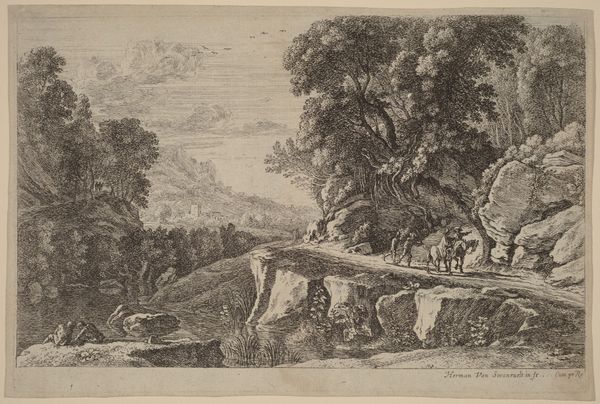
Johann Christoph Erhard created the etching "The Horseback Rider in the Gorge" during the early 19th century, a period defined by the rise of Romanticism and its fascination with nature. Erhard, working within this movement, presents us with a scene that is both picturesque and imbued with a sense of solitary contemplation. The lone rider, set against the backdrop of a dramatic gorge, speaks to the Romantic ideal of the individual's emotional and spiritual connection to the natural world. The figure's small scale emphasizes nature’s grandeur. What does it mean to be confronted with the sublime, in the face of such overpowering natural beauty? Erhard seems to be asking, how does one reconcile their identity with the world around them? "The Horseback Rider in the Gorge" is more than just a landscape; it's an exploration of the self in relation to the overwhelming beauty and power of nature.