About this artwork
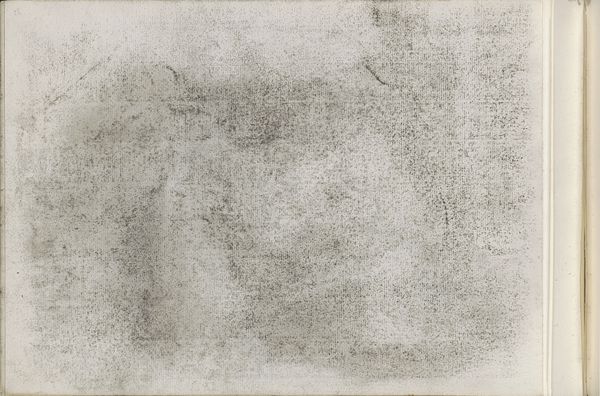
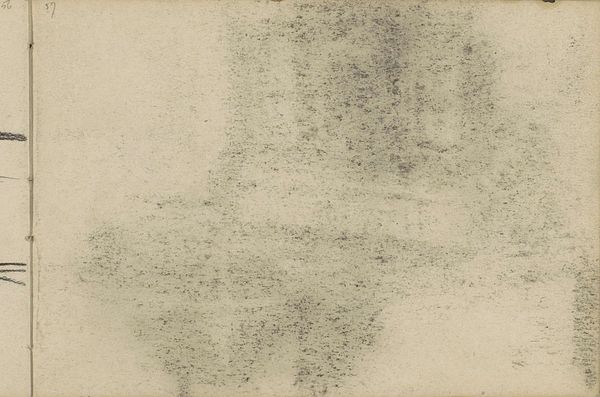
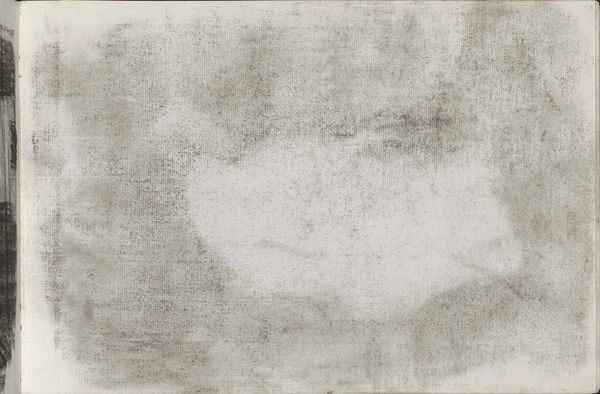
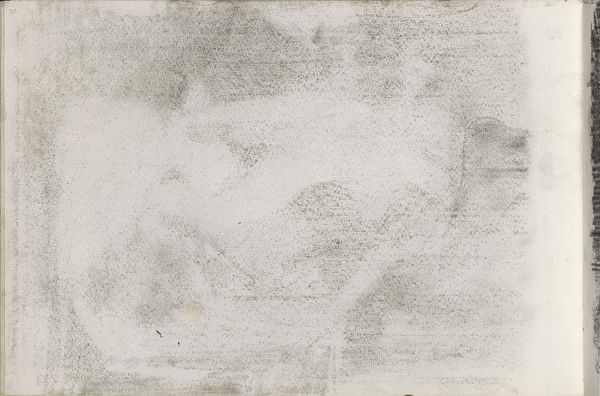
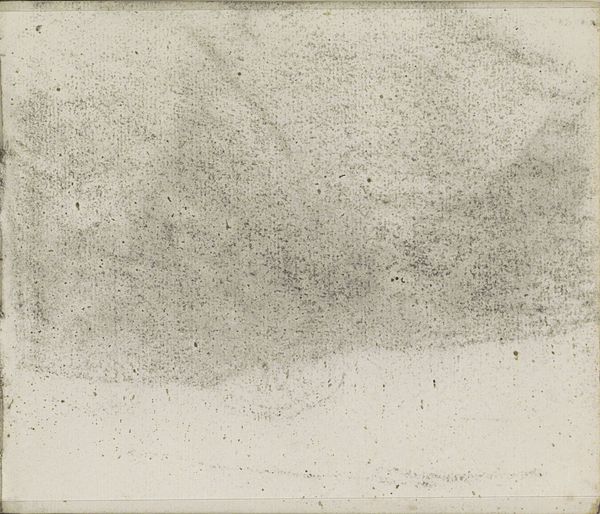
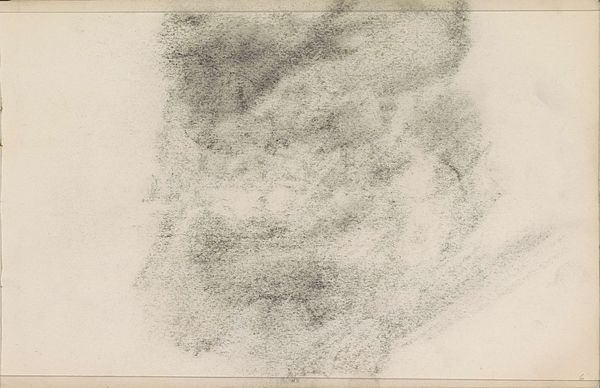
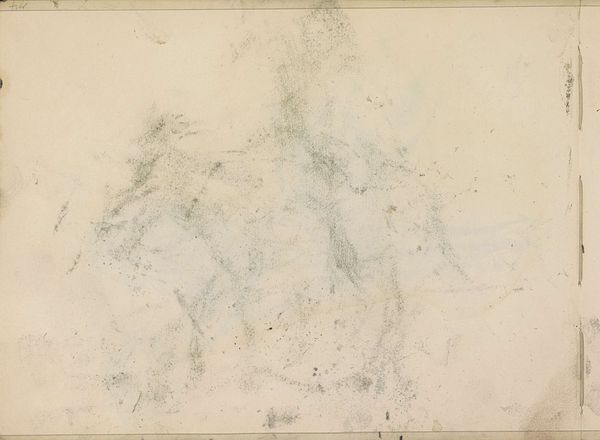
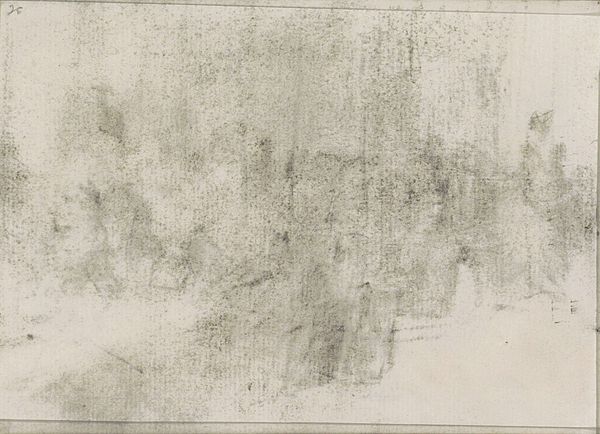
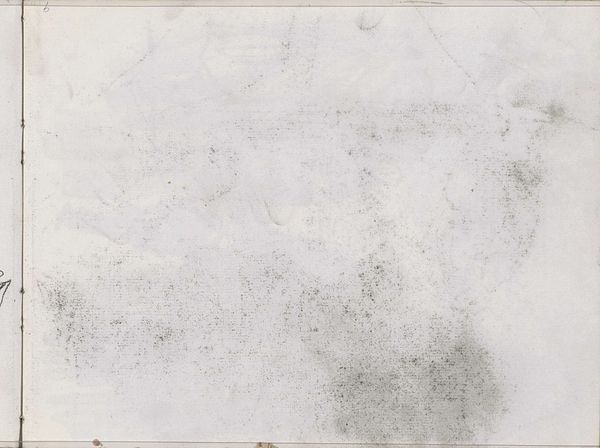
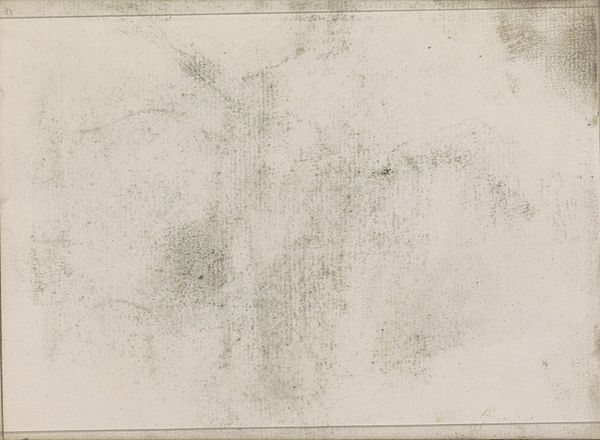
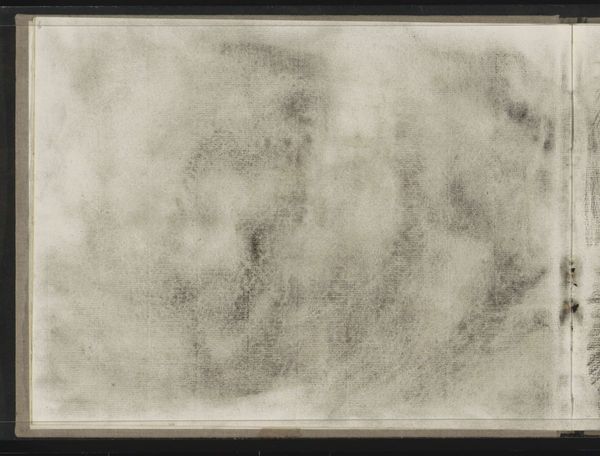
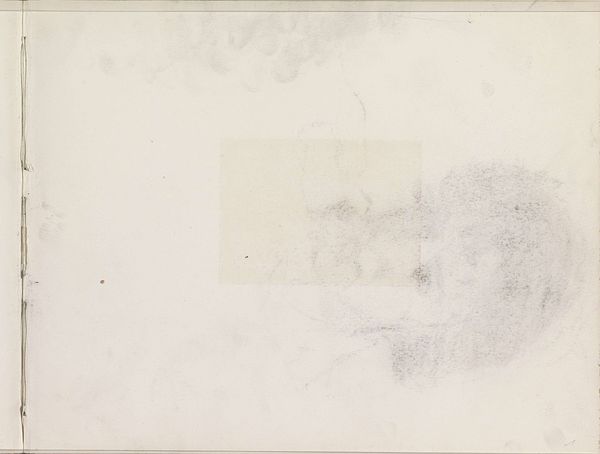
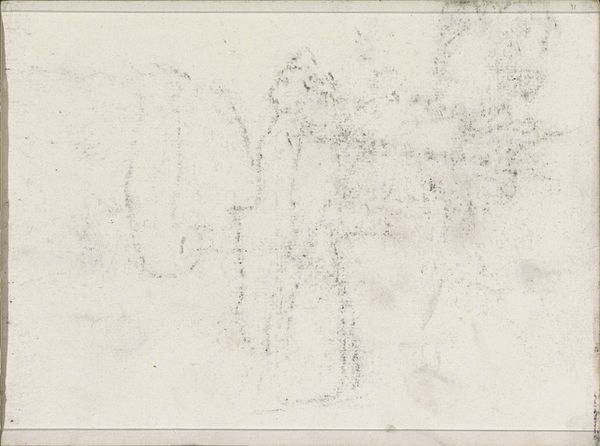
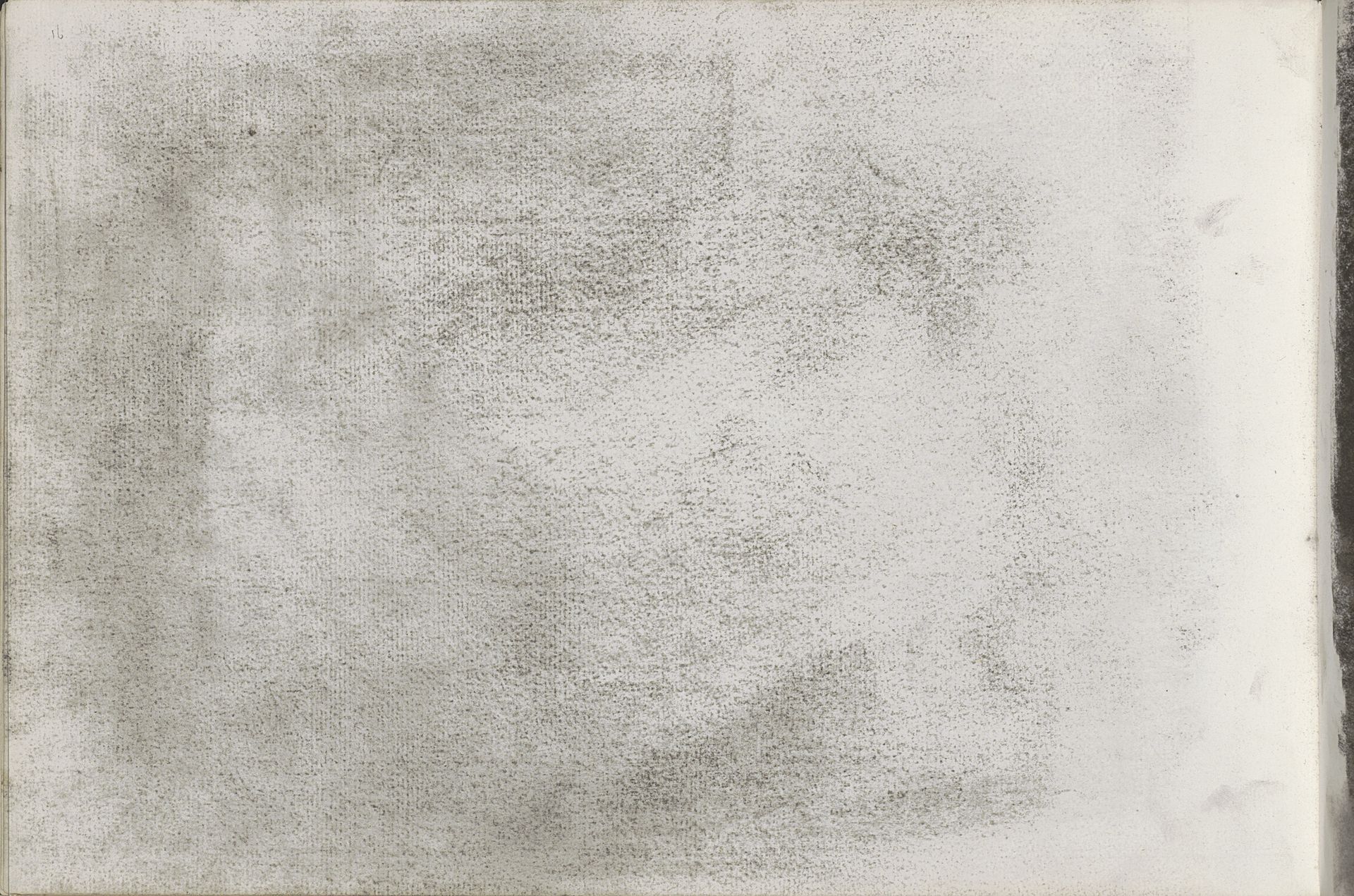
This chalk drawing, made by Willem Witsen, compels us to delve into the symbolic essence of its apparent emptiness. At first glance, the drawing presents itself as an abstract field of gray tones, seemingly devoid of representational symbols. Yet, is it truly empty? Or is it pregnant with latent meanings, waiting to be unveiled? Consider the concept of the "void" as a powerful symbol across cultures. In Eastern philosophies, the void represents potentiality, the source from which all forms emerge. Similarly, in Western alchemical traditions, the "prima materia"—the formless substance from which all matter is created—resonates with this drawing's ambiguous nature. Perhaps Witsen invites us to confront our own projections, mirroring our subconscious onto the canvas. Like the Rorschach test, this drawing may serve as a screen upon which we project our innermost thoughts and emotions. It is a cyclical progression, reminding us that symbols never truly disappear; they resurface, evolve, and take on new meanings in different historical contexts.
Abklatsch van de krijttekening op pagina 17
c. 1887 - 1892

Willem Witsen
1860 - 1923Location
RijksmuseumArtwork details
- Medium
- drawing, print, paper, dry-media, pencil, graphite
- Location
- Rijksmuseum
- Copyright
- Rijks Museum: Open Domain
Tags
portrait
pencil drawn
drawing
impressionism
landscape
paper
dry-media
pencil
abstraction
graphite
monochrome
Comments
Be the first to share your thoughts about this work.
About this artwork
This chalk drawing, made by Willem Witsen, compels us to delve into the symbolic essence of its apparent emptiness. At first glance, the drawing presents itself as an abstract field of gray tones, seemingly devoid of representational symbols. Yet, is it truly empty? Or is it pregnant with latent meanings, waiting to be unveiled? Consider the concept of the "void" as a powerful symbol across cultures. In Eastern philosophies, the void represents potentiality, the source from which all forms emerge. Similarly, in Western alchemical traditions, the "prima materia"—the formless substance from which all matter is created—resonates with this drawing's ambiguous nature. Perhaps Witsen invites us to confront our own projections, mirroring our subconscious onto the canvas. Like the Rorschach test, this drawing may serve as a screen upon which we project our innermost thoughts and emotions. It is a cyclical progression, reminding us that symbols never truly disappear; they resurface, evolve, and take on new meanings in different historical contexts.
Comments
Be the first to share your thoughts about this work.