1628
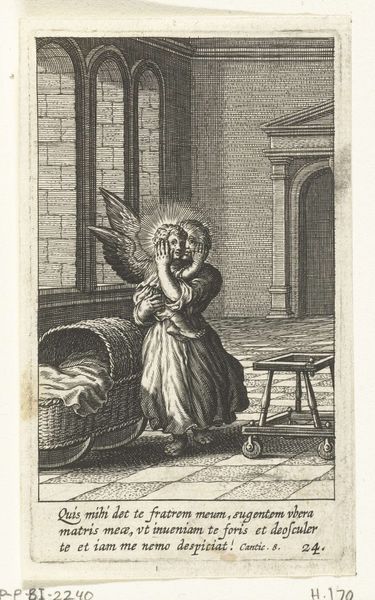
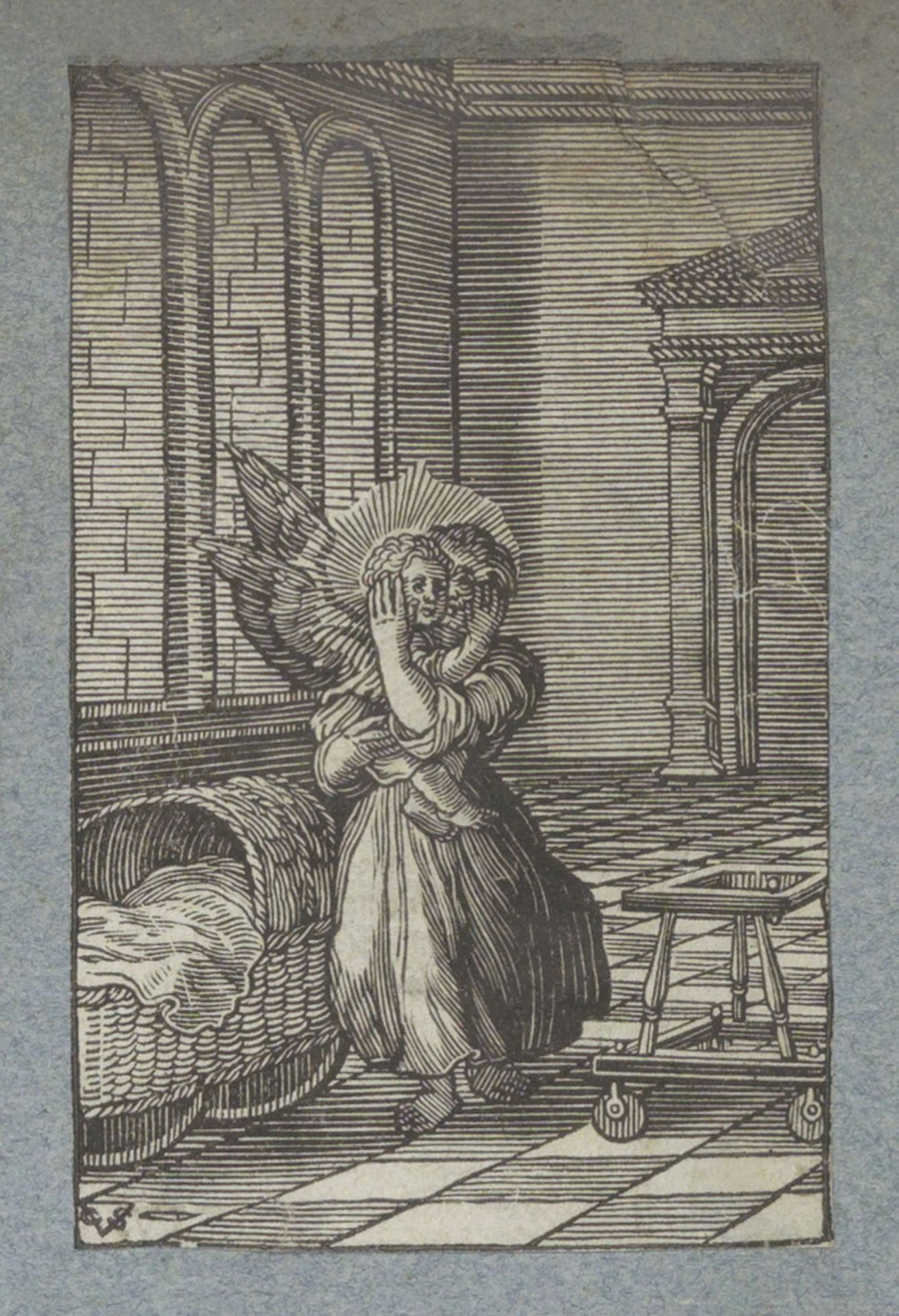
Kind met engel bij wieg en looprek

Christoffel van (II) Sichem
1581 - 1658Location
RijksmuseumListen to curator's interpretation
Curatorial notes
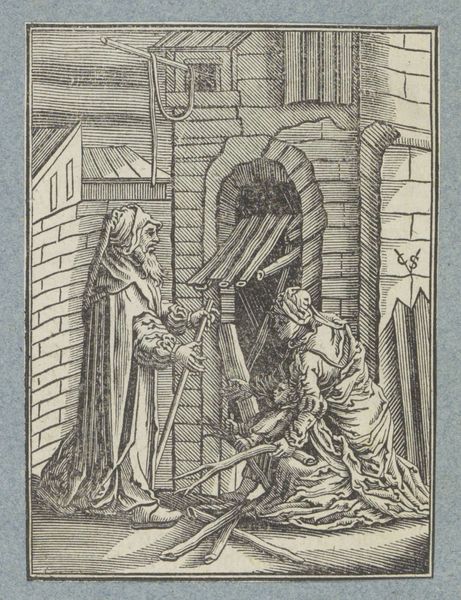
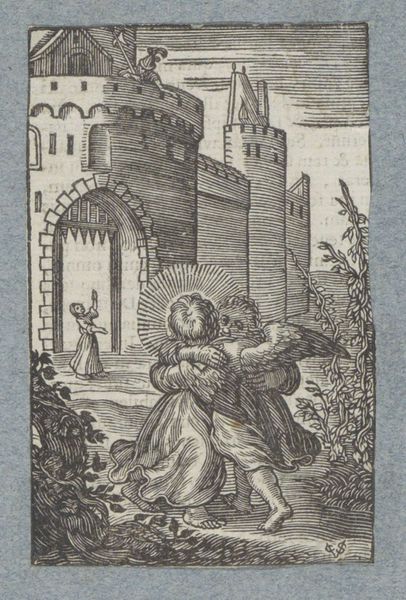
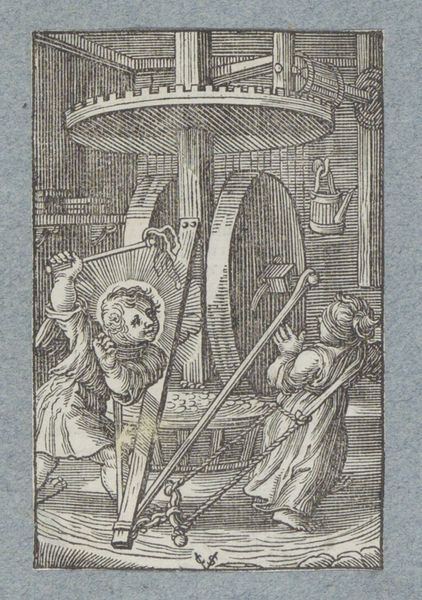
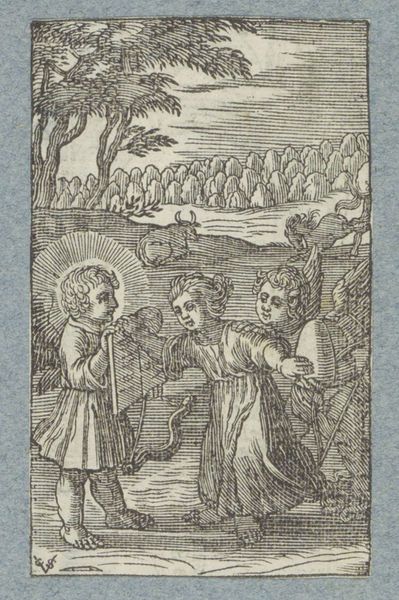
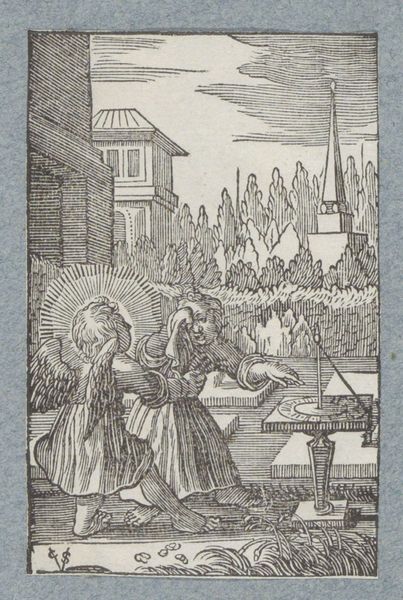
Christoffel van Sichem II created this woodcut, "Kind met engel bij wieg en looprek," sometime between the late 16th and mid-17th centuries. During this period, Dutch art often reflected the domestic sphere, emphasizing the roles of women and children within the household. In this intimate scene, we see a child held by an angel in a domestic space, with a cradle and a walking frame nearby. The angel cradles the child’s face in their hands. The imagery evokes themes of innocence, protection, and the divine presence in everyday life. Representations like these played a role in shaping cultural values around family and morality. The black and white medium creates a sense of simplicity and directness, inviting viewers to reflect on the universal experiences of care and vulnerability embodied by both the child and angel. It also serves as a reminder of the complex relationship between the earthly and the divine, the seen and unseen influences that shape our lives.