Reproductie van De lofzang van Simeon naar Rembrandt van Rijn 1906 - 1907
0:00
0:00

anonymous
Rijksmuseum
#
aged paper
#
toned paper
#
light pencil work
#
photo restoration
#
parchment
#
personal sketchbook
#
old-timey
#
watercolor
#
historical font
#
columned text
Dimensions: height 81 mm, width 45 mm
Copyright: Rijks Museum: Open Domain
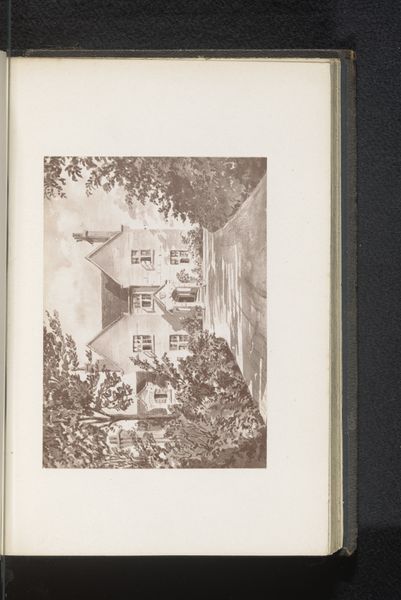
Curator: At first glance, I see an incredible scene. It appears to be a reproduction of Rembrandt van Rijn’s The Presentation in the Temple, or perhaps another artwork centered on the biblical figure Simeon. The artwork seems aged, possibly from between 1906 and 1907. What’s catching your eye? Editor: The light, or lack thereof! It looks almost monochromatic. My attention is drawn to the layering, how the image uses toning that seems to be watercolor on what feels like aged paper or perhaps parchment. I am also drawn to the material context – looks like this came out of personal sketchbook and it might even be considered a form of early photo restoration! Curator: Precisely. It would be worthwhile considering who owned the sketchbook, or why it was created as an illustration to what looks like old-timey columned text and historical font, since clearly they sought to learn and replicate Old Master techniques in the early 20th century, indicating sustained interest in historical narratives during this time period. Editor: Indeed! I wonder about the act of reproducing, and then preserving the images, the hand that guided the light pencil work we see… This act transforms this simple sketch into a document reflecting not only skill, but values around craftsmanship and faith at a very specific moment in history. It also brings forward what sort of tools and training artists employed! Curator: It’s interesting how that process of reproduction shapes the original work's reception too. By copying this from the master Rembrandt, what does this drawing mean? Does it serve as a piece to bring the past into conversation with the present and future, as these images are reproduced time and time again for future audiences like us to consider? Editor: The social lives of materials continue. Here it's toned paper and light pencil; in other periods it's canvas and oil paint… Materials matter, of course, and in this case, their accessibility points to new means of artistic expression. The work provides tangible access points that would previously been exclusively accessible by elite masters or exclusive collectors. Curator: Seeing how techniques and visuals are passed down reminds me how museums help form society's image of artists over the centuries. Well, it is truly fascinating how much we can extract from these works, and what histories and insights such artifacts are made possible through their production. Editor: Absolutely! Material analysis, combined with an appreciation of social history, shows how even reproductions can offer profound insights into changing tastes and enduring artistic practices.
Comments
No comments
Be the first to comment and join the conversation on the ultimate creative platform.
 Collect
 React
React Comment
More like this