About this artwork
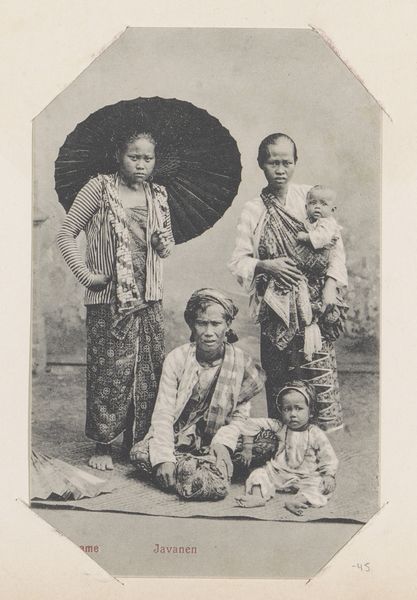
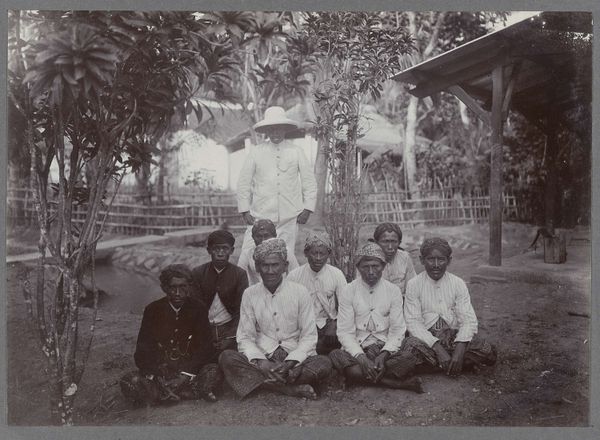
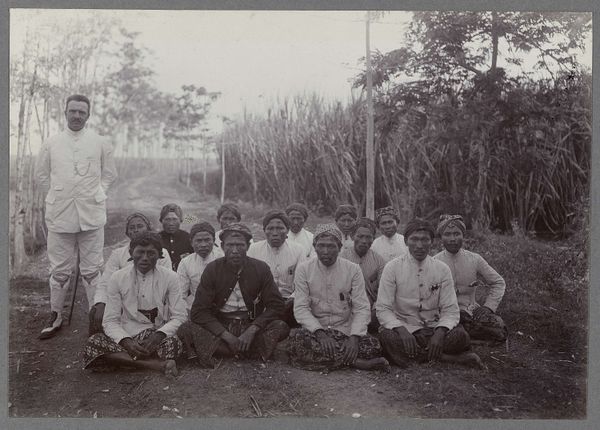
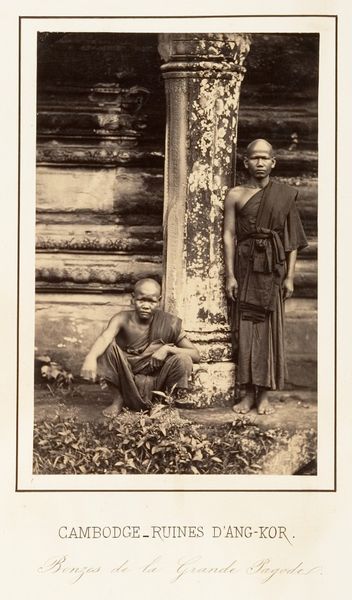
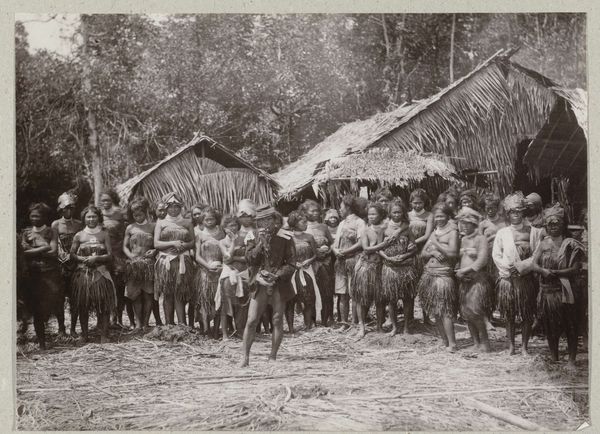
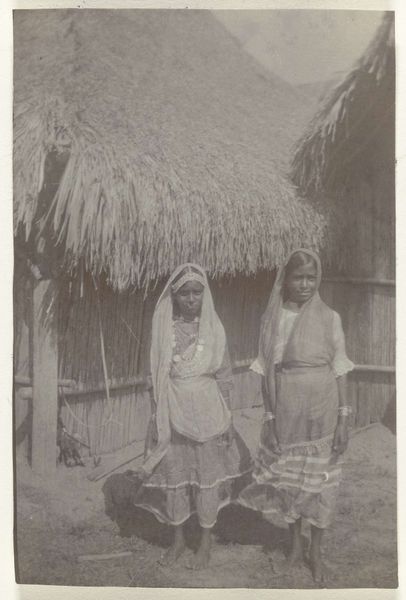
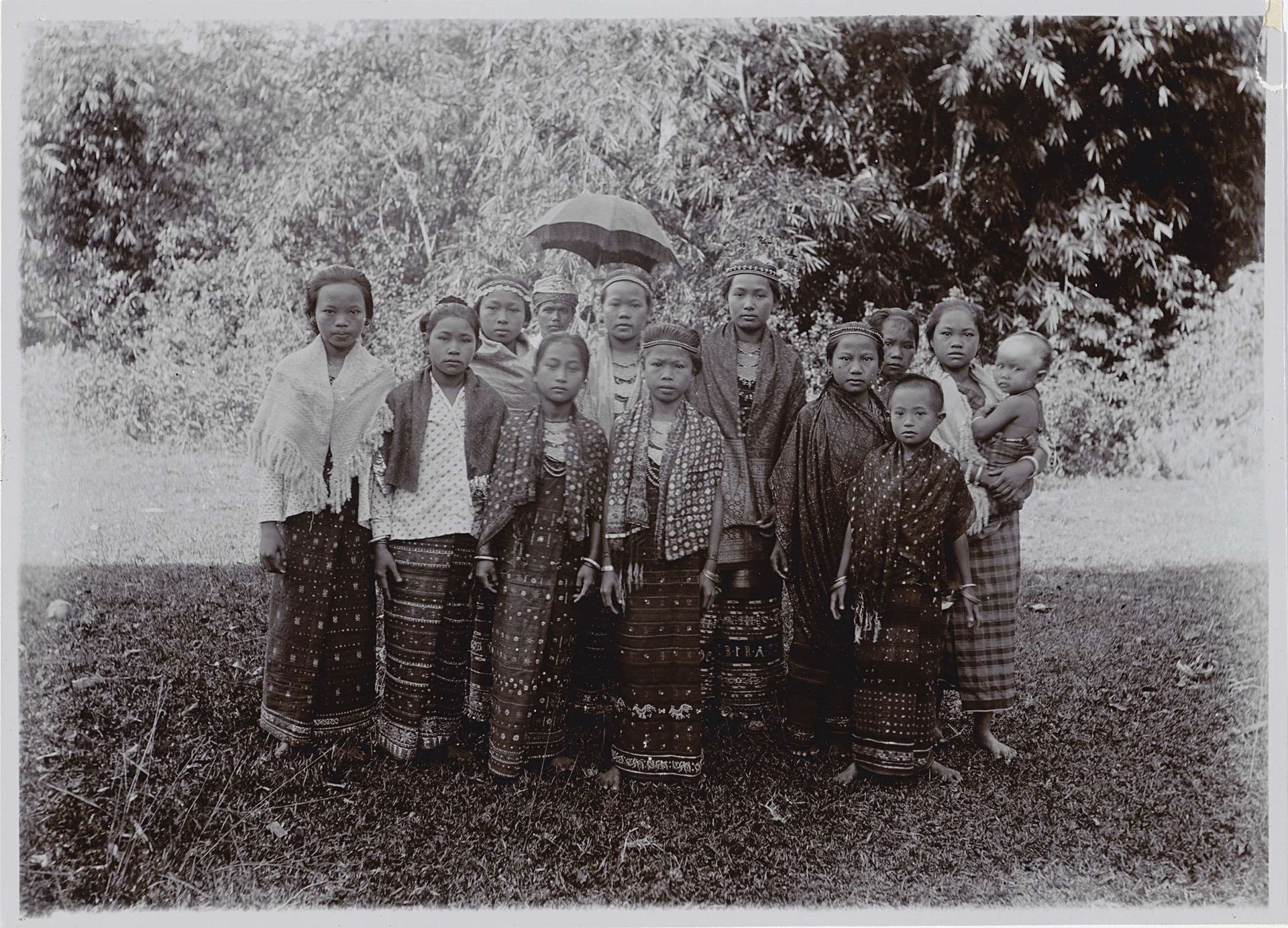
This photograph shows a group of young women in sarongs and shoulder cloths in the Lampong region of Sumatra, and was taken by Johanna Hermina Marmelstein. We can date it to the early twentieth century. The image creates meaning through several visual codes. The women's traditional dress and the rural setting suggest an attempt to capture and preserve a specific cultural identity. The composition, with the women posed formally, indicates the influence of colonial-era ethnographic photography, which often sought to document and classify indigenous peoples. Sumatra, as part of the Dutch East Indies, was subject to Dutch colonial rule during this time. This historical context raises questions about the power dynamics inherent in the act of photographing these women. Was this an attempt to preserve a culture, or an act of colonial documentation? These questions are part of the historian's task. By consulting archives, colonial records, and studies of photography, we might better understand the complex social and institutional forces at play. Through this we can discover the social conditions that shape artistic production.
Een groep jonge vrouwen in sarong en met schouderdoeken in Lampong op Sumatra
1900 - 1915

Artwork details
- Medium
- photography
- Dimensions
- height 174 mm, width 237 mm
- Copyright
- Rijks Museum: Open Domain
Tags
Comments
Share your thoughts
About this artwork
This photograph shows a group of young women in sarongs and shoulder cloths in the Lampong region of Sumatra, and was taken by Johanna Hermina Marmelstein. We can date it to the early twentieth century. The image creates meaning through several visual codes. The women's traditional dress and the rural setting suggest an attempt to capture and preserve a specific cultural identity. The composition, with the women posed formally, indicates the influence of colonial-era ethnographic photography, which often sought to document and classify indigenous peoples. Sumatra, as part of the Dutch East Indies, was subject to Dutch colonial rule during this time. This historical context raises questions about the power dynamics inherent in the act of photographing these women. Was this an attempt to preserve a culture, or an act of colonial documentation? These questions are part of the historian's task. By consulting archives, colonial records, and studies of photography, we might better understand the complex social and institutional forces at play. Through this we can discover the social conditions that shape artistic production.
Comments
Share your thoughts