![Mehrfigurige Szene (Figural Sketch) [p. 13] by Max Beckmann](https://d2w8kbdekdi1gv.cloudfront.net/eyJidWNrZXQiOiAiYXJ0ZXJhLWltYWdlcy1idWNrZXQiLCAia2V5IjogImFydHdvcmtzL2NkODVkMjQzLWVkN2UtNGM2MC04NTU1LWRhMDQ4NzFkNzMzZS9jZDg1ZDI0My1lZDdlLTRjNjAtODU1NS1kYTA0ODcxZDczM2VfZnVsbC5qcGciLCAiZWRpdHMiOiB7InJlc2l6ZSI6IHsid2lkdGgiOiAxOTIwLCAiaGVpZ2h0IjogMTkyMCwgImZpdCI6ICJpbnNpZGUifX19)
About this artwork
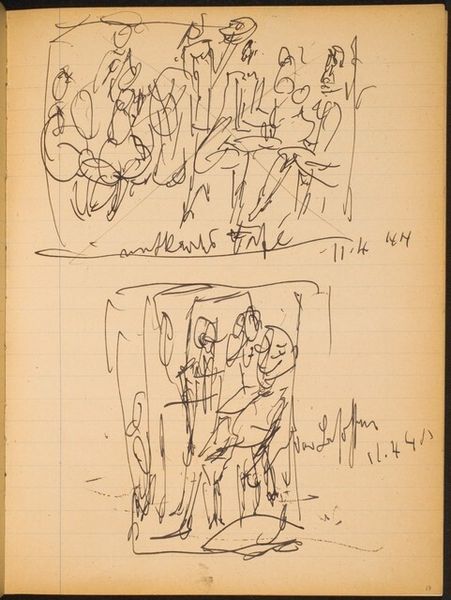
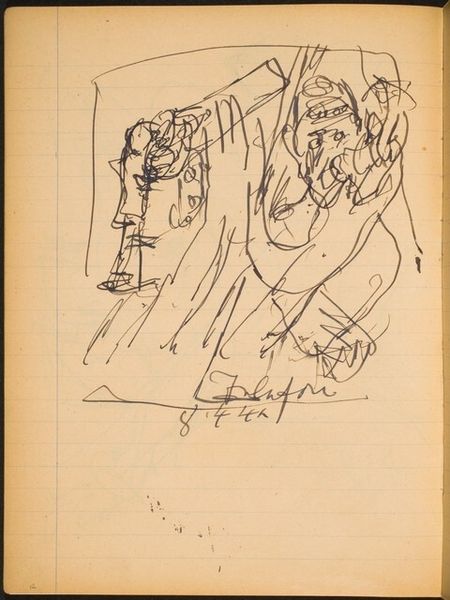
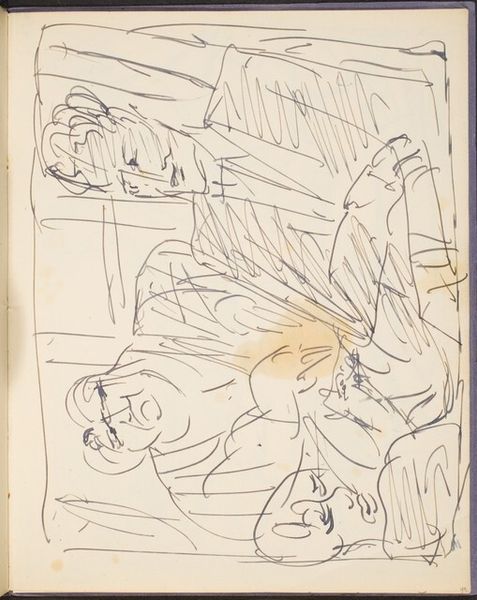
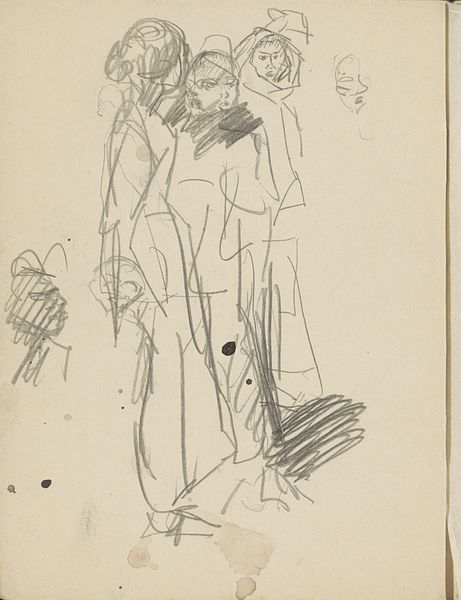
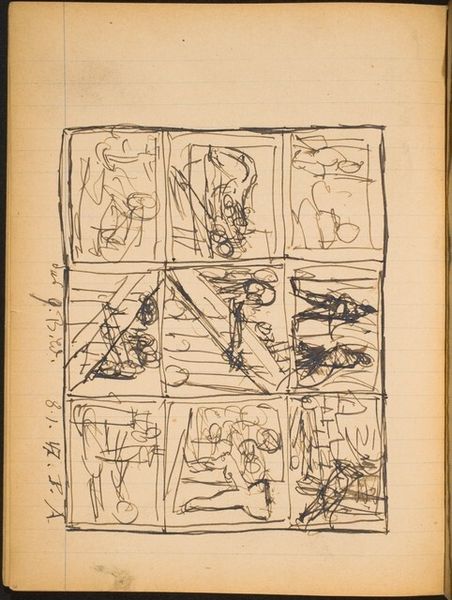
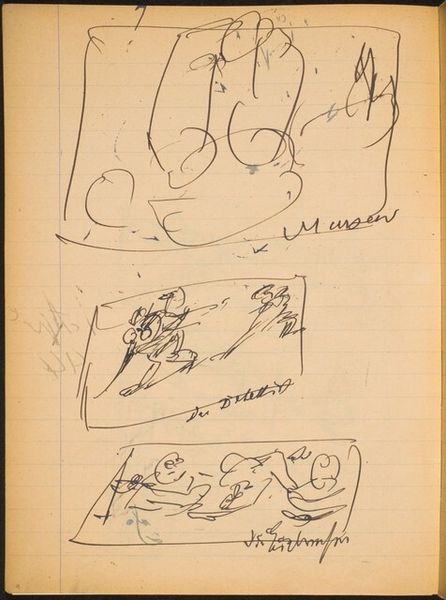
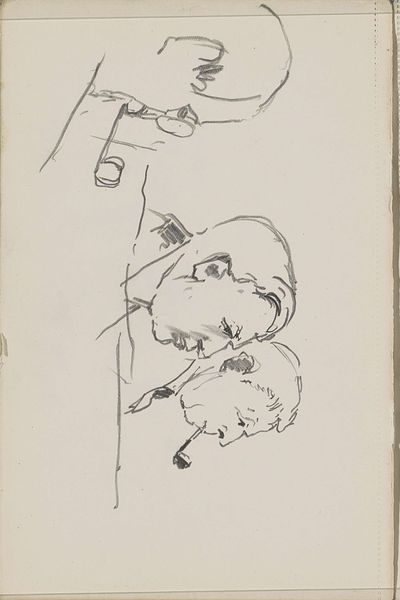
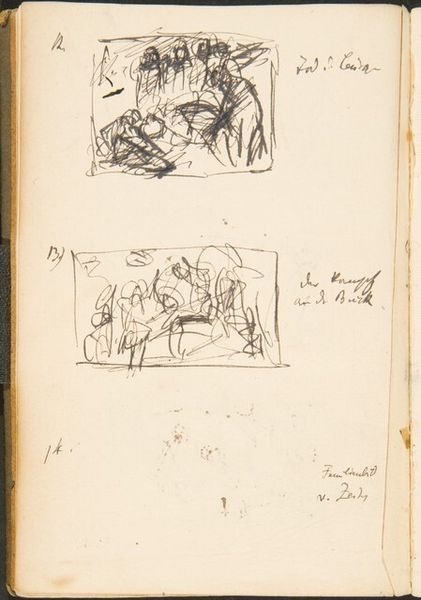
Max Beckmann created this sketch in 1944. It is a drawing on paper entitled "Mehrfigurige Szene" or Figural Sketch. From 1933, when the Nazis declared his work ‘degenerate’, Beckmann experienced firsthand the silencing of dissenting voices. Note the claustrophobic composition of the sketch. Its figures are crowded and distorted, reflecting the oppression of the Nazi regime. The bold lines and stark contrasts evoke a sense of anxiety, mirroring the psychological turmoil of the time. In wartime Germany, artists like Beckmann faced a choice: conform or resist. His art became a form of silent protest, critiquing the dehumanizing effects of totalitarianism. By studying Beckmann's biography, and the socio-political context of his time, we can understand the power of art as a form of resistance, and of his figural sketch as a poignant commentary on a society in crisis.
Mehrfigurige Szene (Figural Sketch) [p. 13]


Artwork details
- Medium
- drawing, ink, pen
- Dimensions
- page size: 24.2 x 18 cm (9 1/2 x 7 1/16 in.)
- Copyright
- National Gallery of Art: CC0 1.0
Tags
Comments
Share your thoughts
About this artwork
Max Beckmann created this sketch in 1944. It is a drawing on paper entitled "Mehrfigurige Szene" or Figural Sketch. From 1933, when the Nazis declared his work ‘degenerate’, Beckmann experienced firsthand the silencing of dissenting voices. Note the claustrophobic composition of the sketch. Its figures are crowded and distorted, reflecting the oppression of the Nazi regime. The bold lines and stark contrasts evoke a sense of anxiety, mirroring the psychological turmoil of the time. In wartime Germany, artists like Beckmann faced a choice: conform or resist. His art became a form of silent protest, critiquing the dehumanizing effects of totalitarianism. By studying Beckmann's biography, and the socio-political context of his time, we can understand the power of art as a form of resistance, and of his figural sketch as a poignant commentary on a society in crisis.
Comments
Share your thoughts