About this artwork
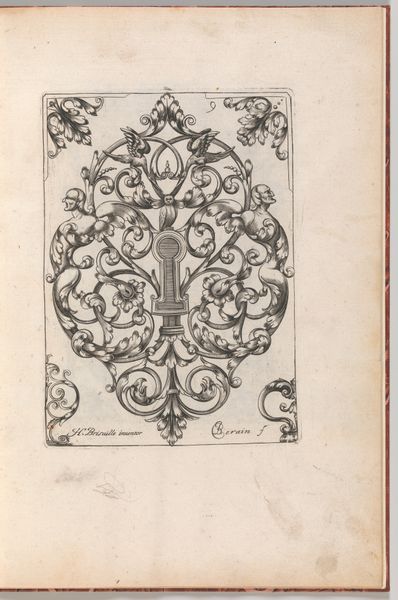
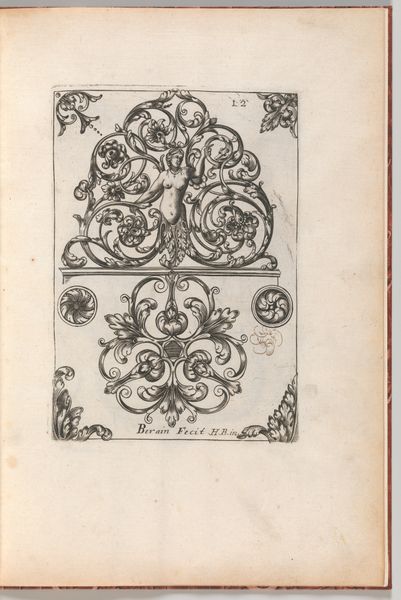
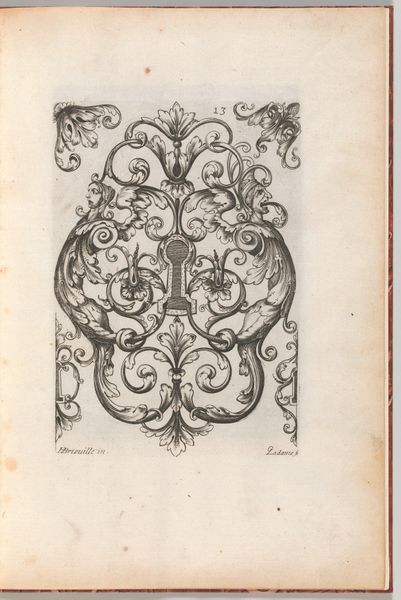
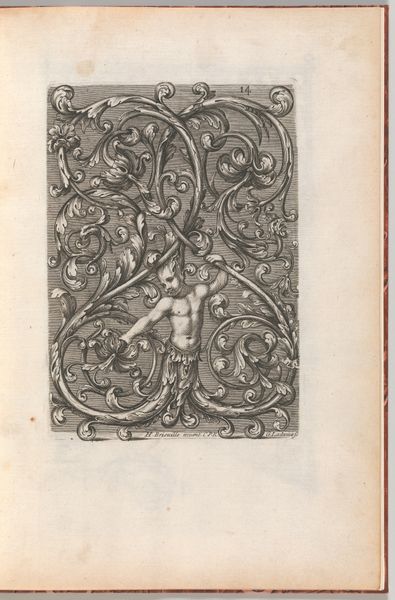
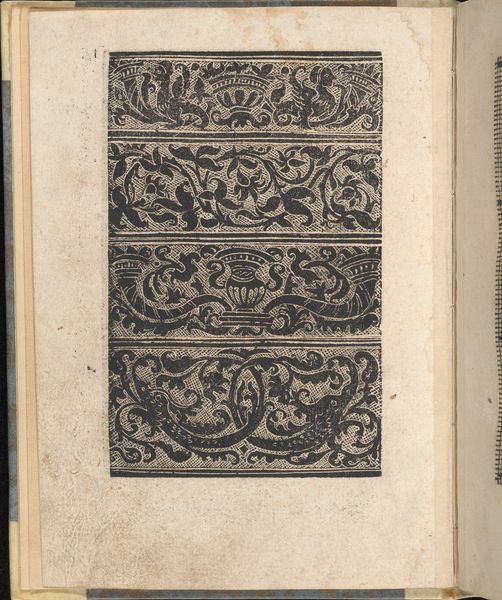
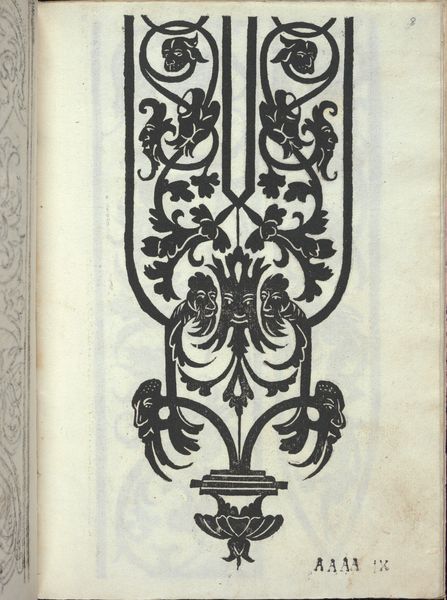
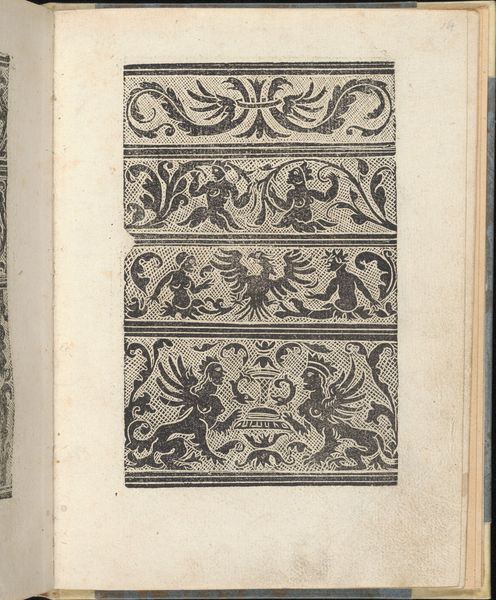
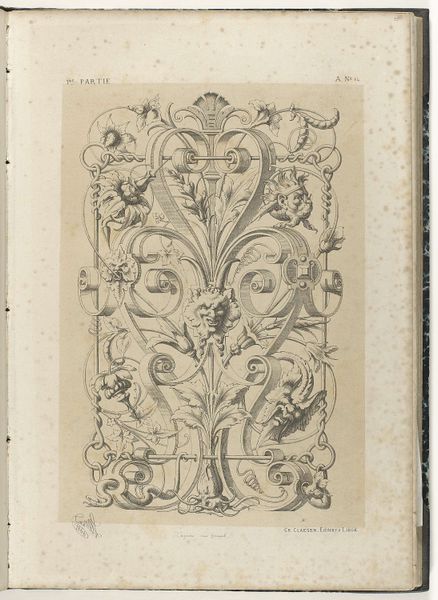
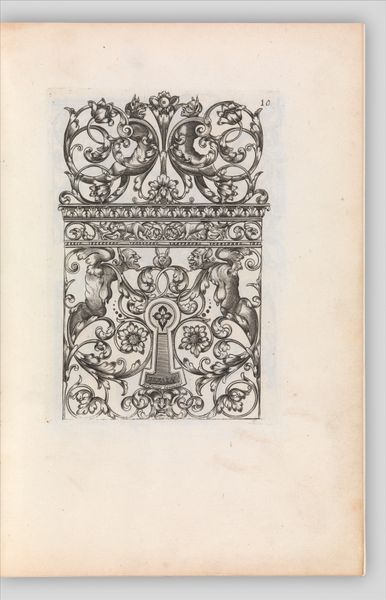
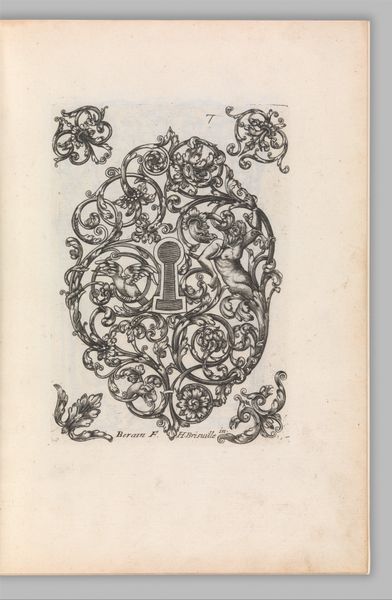
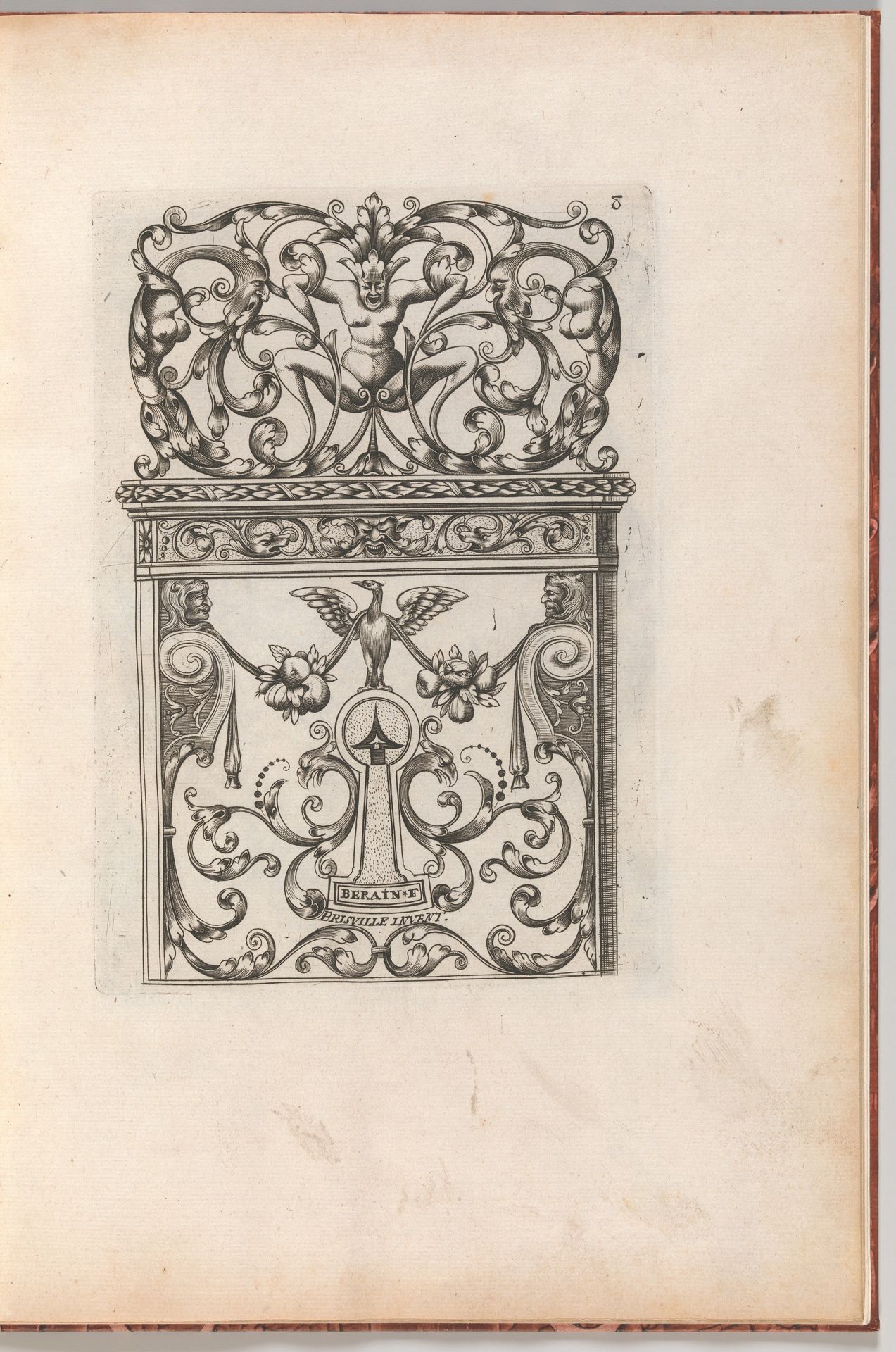
Jean Berain created this print, "Diverses Pieces de Serruriers," in France, likely in the late 17th century, as a design for metalworkers. This highly ornamental style reflects the tastes of the French court under Louis XIV. Note the elaborate scrollwork, the classical figures, and the overall sense of symmetry and order. The image creates meaning through visual codes associated with wealth, power, and status. France at this time was a highly stratified society, and artistic production was closely tied to the interests of the monarchy and aristocracy. Berain himself worked for the royal court, producing designs for everything from theatrical sets to furniture. This print, like many others from the period, offers a fascinating glimpse into the social conditions that shaped artistic production. By studying such images, along with archival sources and other historical materials, we can gain a deeper understanding of the complex relationship between art and society in early modern Europe.
Diverses Pieces de Serruriers, page 9 (recto)
1658 - 1668


Artwork details
- Medium
- drawing, ornament, print, engraving
- Dimensions
- Sheet: 10 13/16 × 7 5/16 in. (27.5 × 18.5 cm) Plate: 6 11/16 × 4 3/4 in. (17 × 12 cm)
- Location
- Metropolitan Museum of Art, New York, NY
- Copyright
- Public Domain
Tags
Comments
Share your thoughts
About this artwork
Jean Berain created this print, "Diverses Pieces de Serruriers," in France, likely in the late 17th century, as a design for metalworkers. This highly ornamental style reflects the tastes of the French court under Louis XIV. Note the elaborate scrollwork, the classical figures, and the overall sense of symmetry and order. The image creates meaning through visual codes associated with wealth, power, and status. France at this time was a highly stratified society, and artistic production was closely tied to the interests of the monarchy and aristocracy. Berain himself worked for the royal court, producing designs for everything from theatrical sets to furniture. This print, like many others from the period, offers a fascinating glimpse into the social conditions that shaped artistic production. By studying such images, along with archival sources and other historical materials, we can gain a deeper understanding of the complex relationship between art and society in early modern Europe.
Comments
Share your thoughts