About this artwork
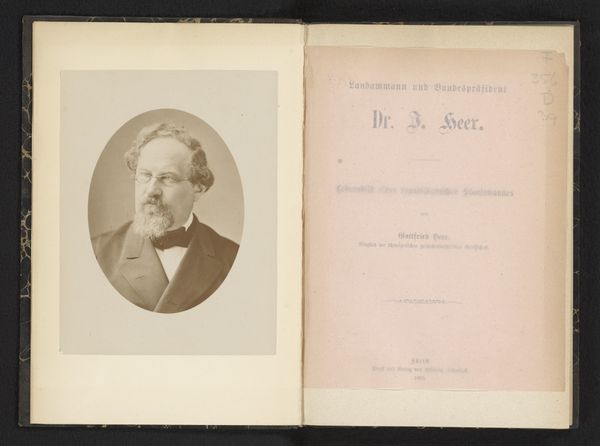
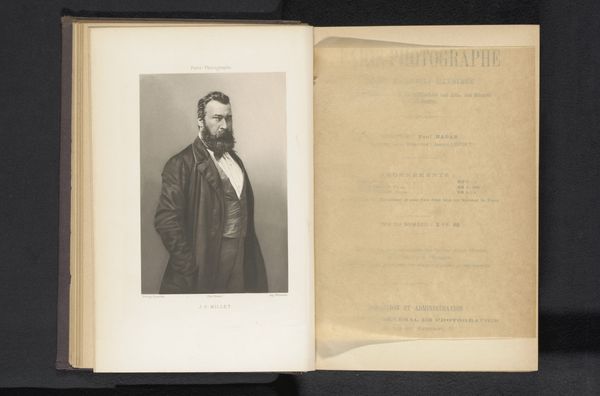
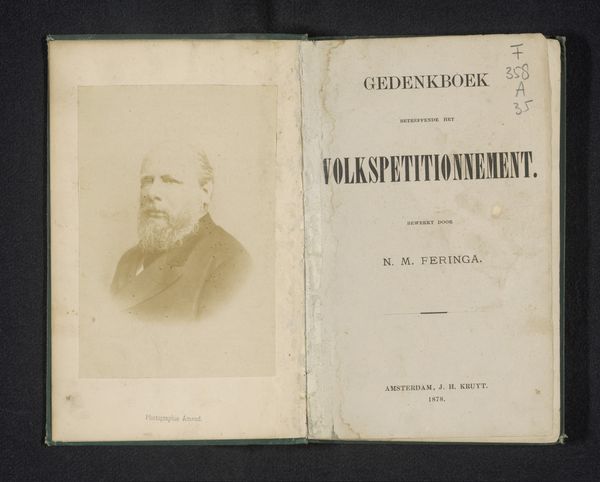
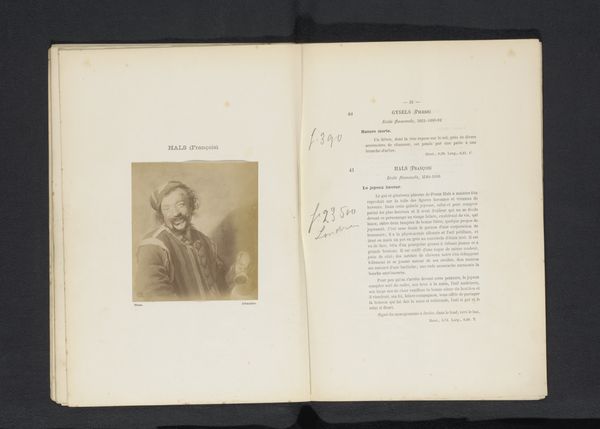
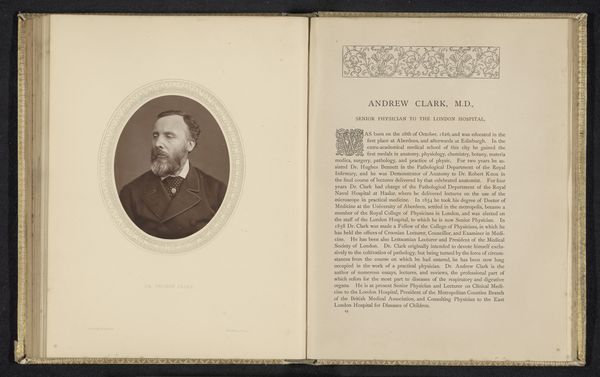
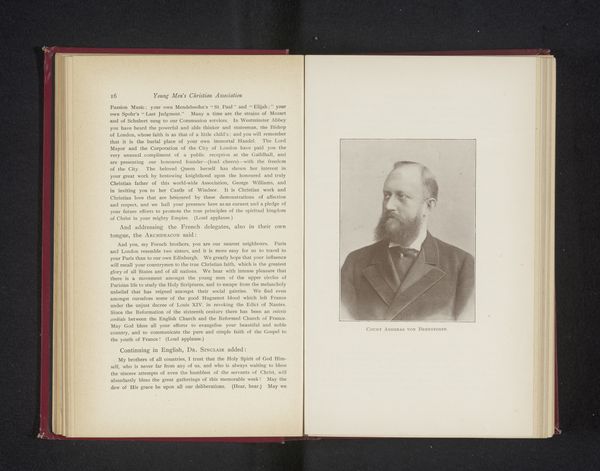
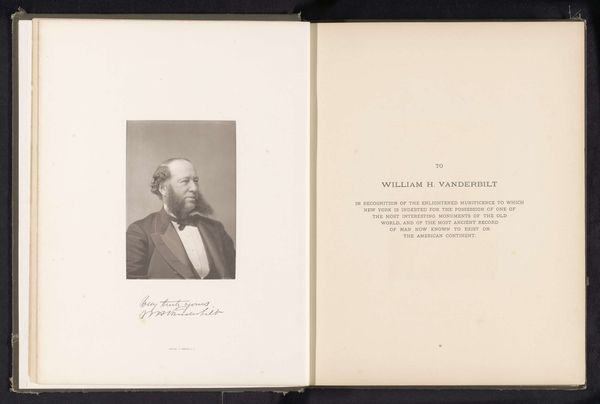
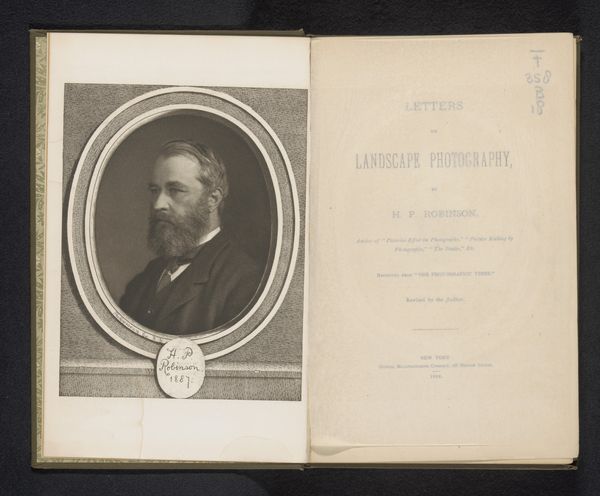
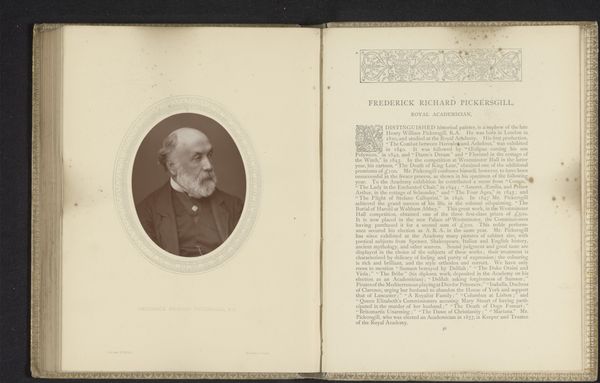
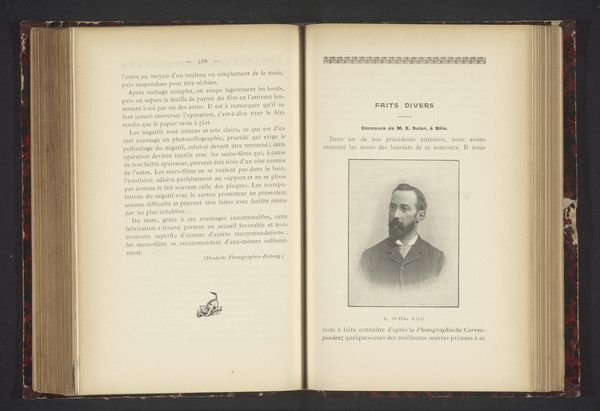
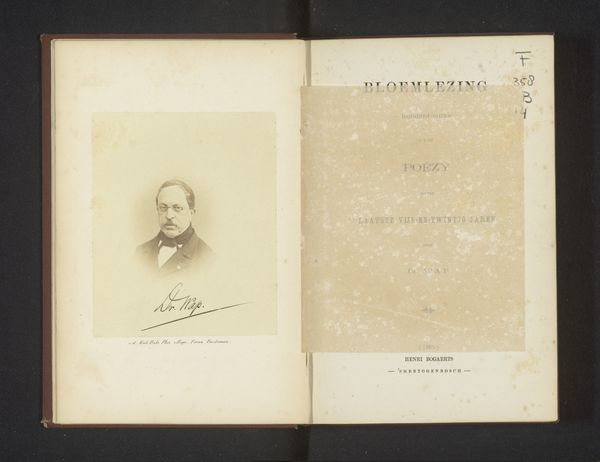
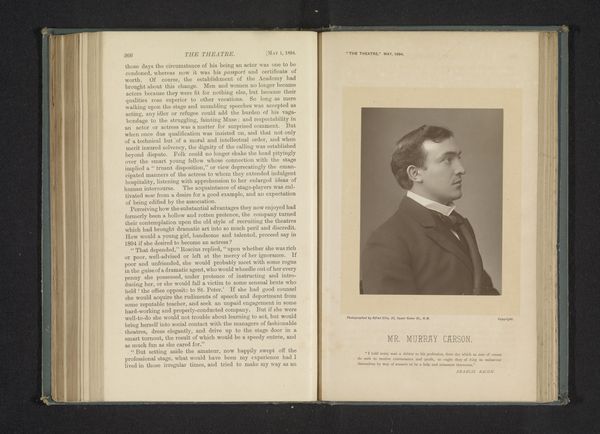
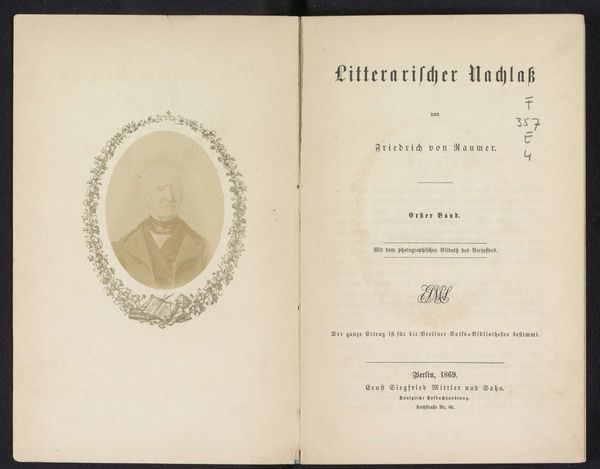
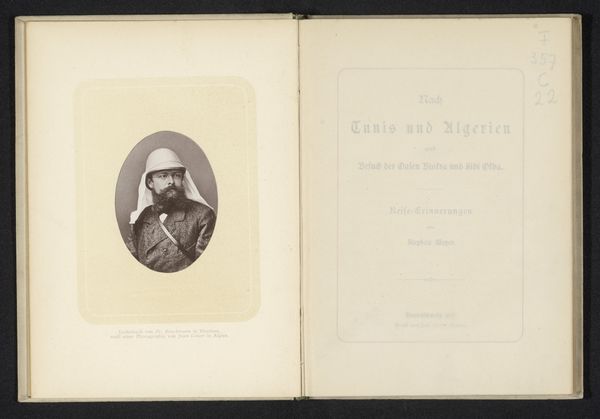
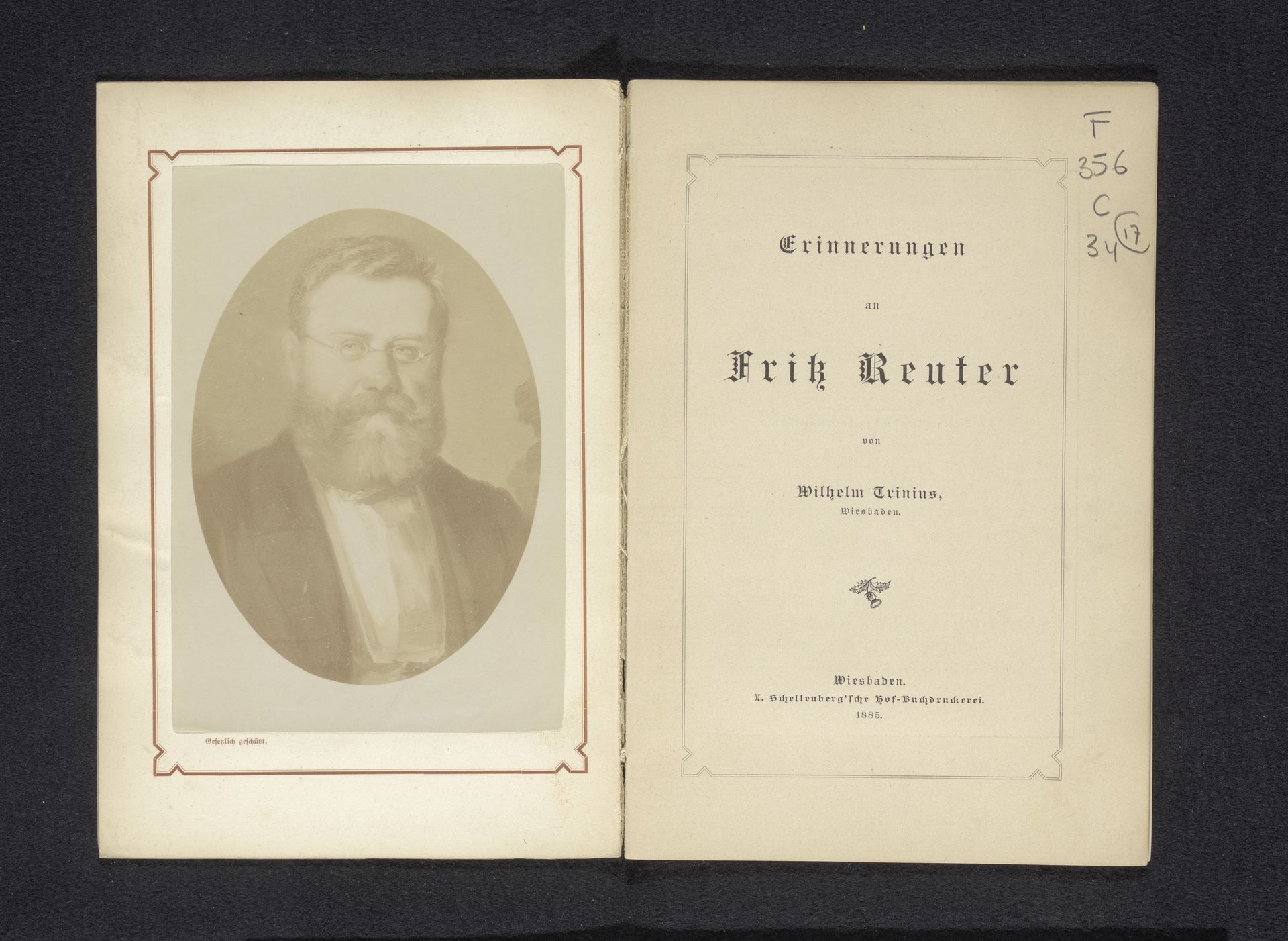
This is a photographic portrait of Erik Reuter, made by an anonymous photographer around 1885. This image, made with albumen print, speaks volumes about the democratization of image-making in the late 19th century. Albumen printing, which involves coating paper with egg white and silver nitrate, was the dominant form of photographic printing at the time. This process resulted in a relatively stable and detailed image, although it required careful handling and expertise. Photography was becoming less of a specialized craft and more of a widespread practice. The very act of creating a portrait shifts from the realm of painting, often commissioned by the wealthy, to a more accessible medium. Yet, even with these changes, issues of labor and class are present. Although this image is unsigned, we can consider the photographer’s craftsmanship, expertise and commercial practice. Understanding the materials and processes of this portrait helps us to consider the evolution of image-making, its social implications, and the artistry involved in even the most seemingly straightforward of photographs.

Artwork details
- Medium
- photography, gelatin-silver-print
- Dimensions
- height 145 mm, width 100 mm
- Copyright
- Rijks Museum: Open Domain
Tags
portrait
photography
gelatin-silver-print
Comments
No comments
About this artwork
This is a photographic portrait of Erik Reuter, made by an anonymous photographer around 1885. This image, made with albumen print, speaks volumes about the democratization of image-making in the late 19th century. Albumen printing, which involves coating paper with egg white and silver nitrate, was the dominant form of photographic printing at the time. This process resulted in a relatively stable and detailed image, although it required careful handling and expertise. Photography was becoming less of a specialized craft and more of a widespread practice. The very act of creating a portrait shifts from the realm of painting, often commissioned by the wealthy, to a more accessible medium. Yet, even with these changes, issues of labor and class are present. Although this image is unsigned, we can consider the photographer’s craftsmanship, expertise and commercial practice. Understanding the materials and processes of this portrait helps us to consider the evolution of image-making, its social implications, and the artistry involved in even the most seemingly straightforward of photographs.
Comments
No comments