photography, gelatin-silver-print
portrait
photography
gelatin-silver-print
Dimensions: height 116 mm, width 91 mm
Copyright: Rijks Museum: Open Domain
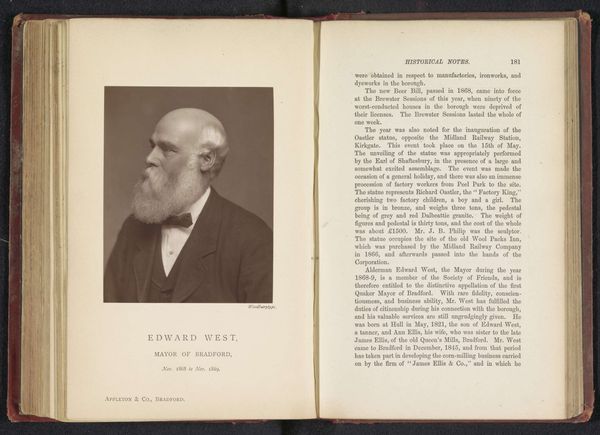
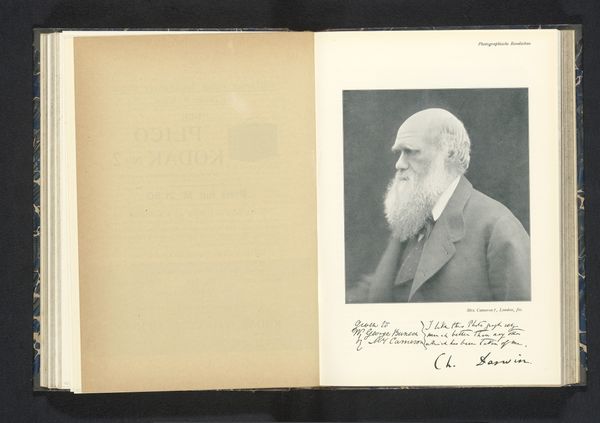
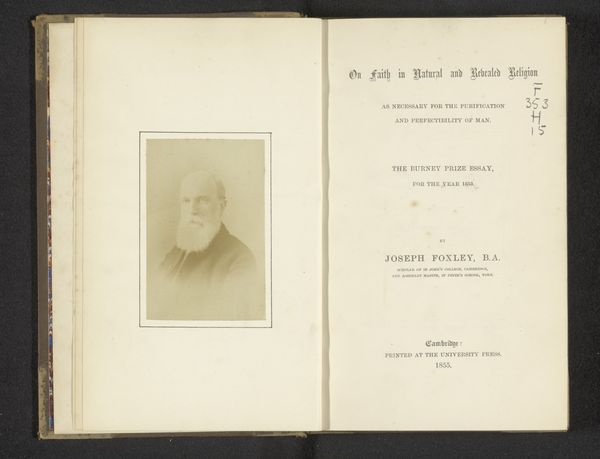
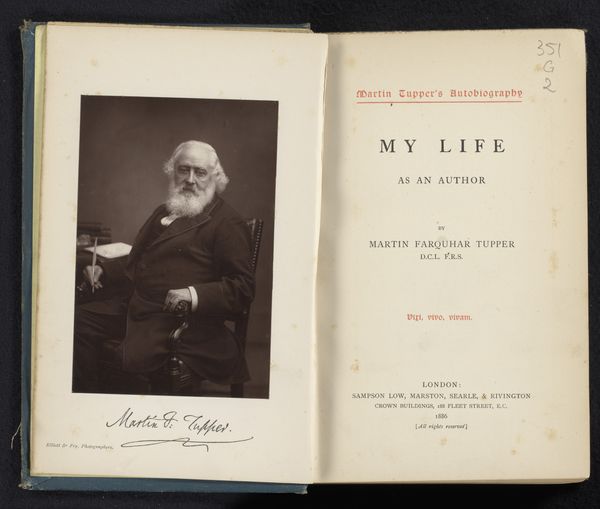
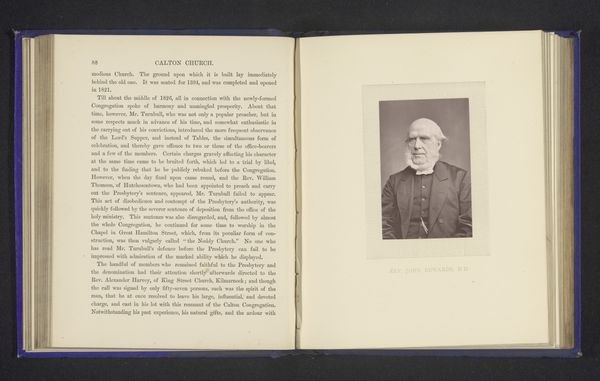
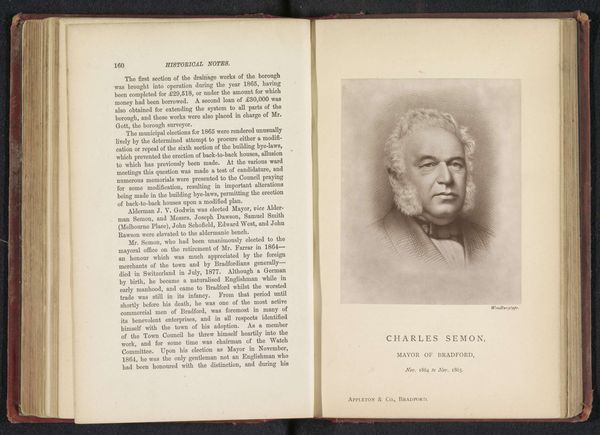
Curator: This photographic portrait from before 1881, entitled “Portret van Samuel Smith,” captures the likeness of a dignified gentleman. What's your immediate impression? Editor: A palpable sense of civic pride. The solid pose, the gaze directed just above us—he clearly projects authority. There's also a formality suggesting more than just individual portraiture; it feels almost commemorative. Curator: Indeed. Published by Appleton & Co., the gelatin-silver print shows Samuel Smith, Mayor of Bradford. Consider the weight of symbols here. A photograph, relatively new at the time, instantly conveying a powerful civic image. The pose, repeated throughout history in paintings of leaders and the wealthy, made newly accessible. Editor: Yes, photography democratizing portraiture, but also idealizing the subject. The pose feels both contemporary and deliberately evoking the established visual language of power. Was the choice of a gelatin-silver print a deliberate echo of painted portraits, with a restricted tonal range similar to oil paint? It also raises a question. The book’s text speaks of railways and water supply. Who did the subject want to be? A local modernizer or something more historical? Curator: Precisely! It connects him visually to that history and communicates something crucial about the identity he's trying to cultivate and perhaps Bradford’s as well: solidity, progress, continuity. That’s a great contrast: The book positions him a forward-thinker with railway and sanitation concerns; and he is portrayed using a fairly conventional depiction of dignified masculinity. Editor: A visual brand building of sorts, cementing his place in the public consciousness and solidifying a progressive reputation through traditional representation. Think about the viewers: Townspeople gaining a new civic landmark from someone who maintained established dignity. This image speaks volumes about late 19th-century aspirations and self-image. Curator: It's a potent image indeed. The way it blends photographic realism with the language of formal portraiture. An artwork which functions simultaneously to depict a man and project an idea of civic identity. Editor: I'd say it offers an enduring glimpse into how individuals construct, and institutions broadcast, the visual narratives of power and progress. A powerful, thought-provoking portrait.
Comments
No comments
Be the first to comment and join the conversation on the ultimate creative platform.
 React
React Comment