print, photography, albumen-print
portrait
photography
albumen-print
Dimensions: height 116 mm, width 91 mm
Copyright: Rijks Museum: Open Domain
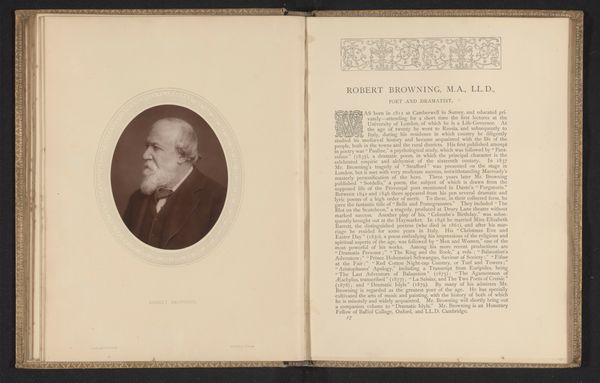
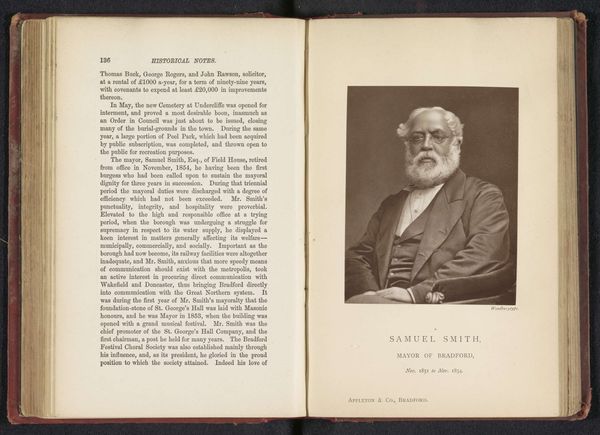
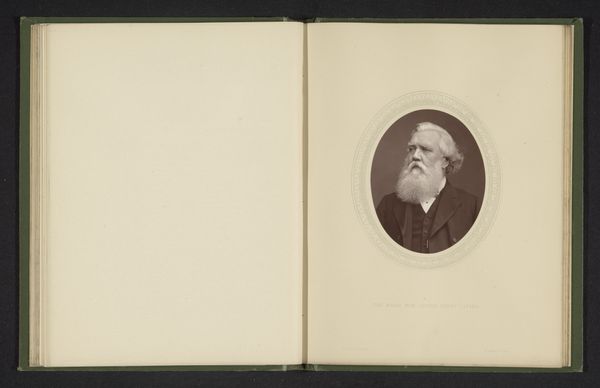
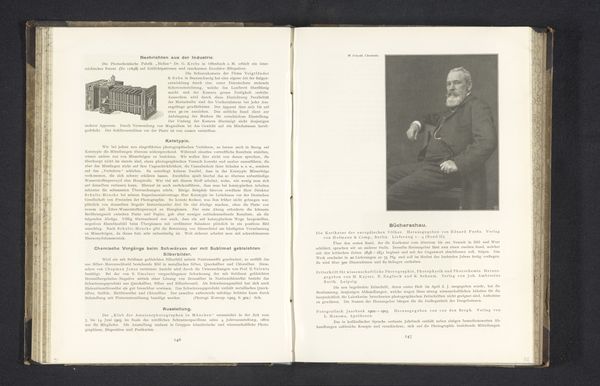
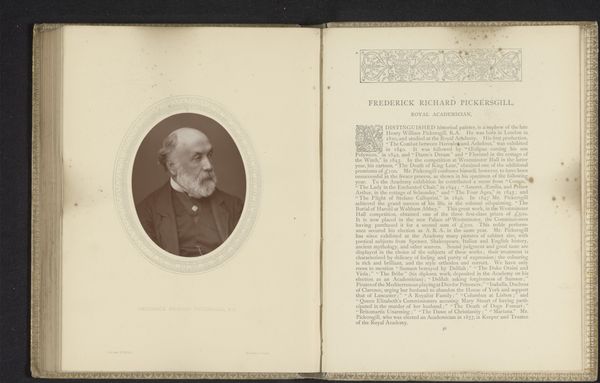
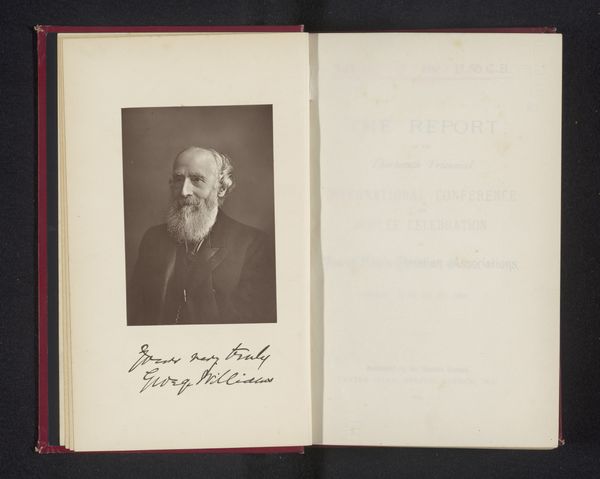
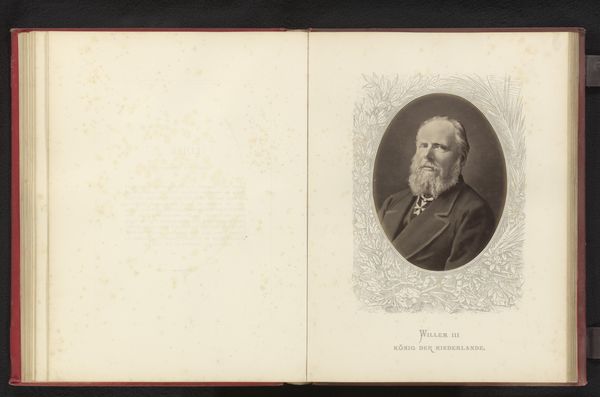
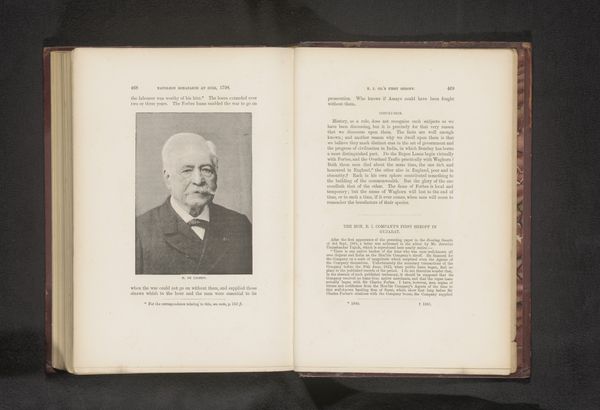
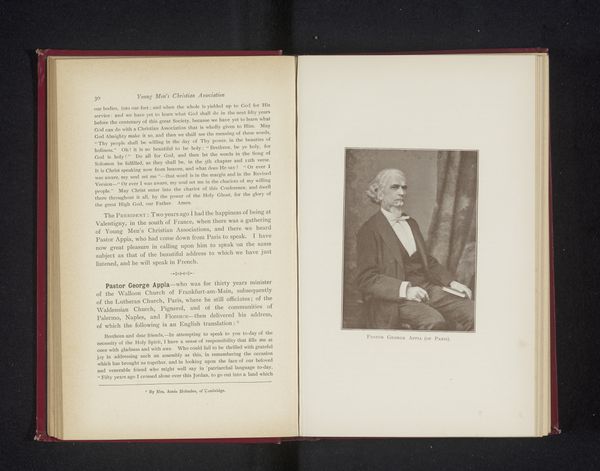
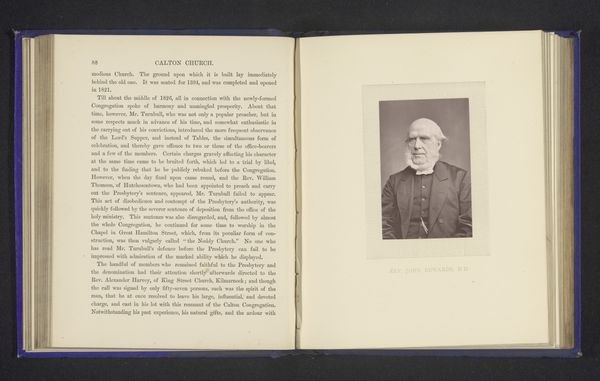
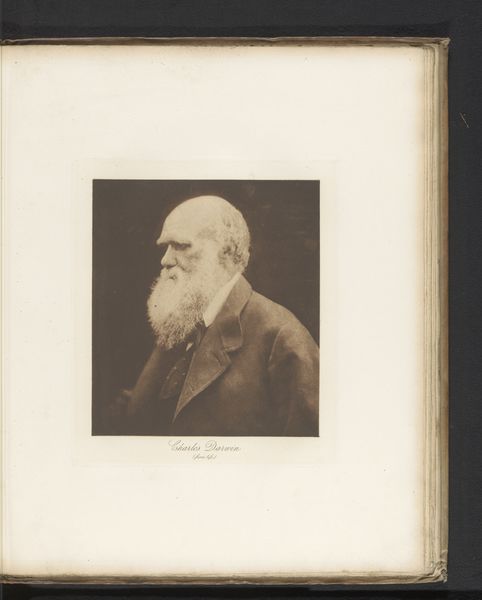
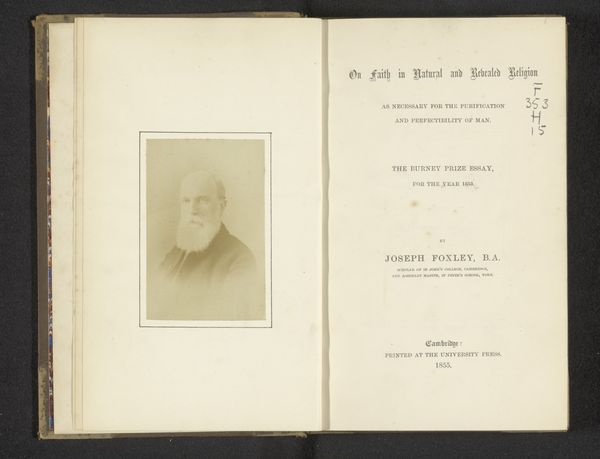
Editor: Here we have a photographic portrait, an albumen print titled "Portret van Edward West," made before 1881, credited to Appleton & Co. I find his gaze very direct and unwavering, almost imposing. What do you see in this piece? Curator: The unwavering gaze you mention is key. Consider the weight that a portrait like this carried. This wasn't just an image; it was a statement of civic virtue and Quaker principles, given West's role as Mayor and member of the Society of Friends. Do you notice any other visual elements that communicate authority? Editor: Well, his beard is quite prominent, very full, suggesting wisdom or experience perhaps? Curator: Exactly. Beards in this era are potent symbols of Victorian masculinity and moral gravitas. But also consider the soft sepia tones and the printing process itself. It invokes a certain… what do you think it evokes? Editor: A sense of historical distance, almost like looking into a memory. Curator: Precisely. The photograph functions almost like a secular icon, doesn't it? It presents Edward West as a pillar of his community, a symbol to be emulated, carrying the cultural memory of civic duty. This print serves to immortalize and idealize a prominent citizen within his historical context. Editor: That's fascinating. I hadn't considered how deeply ingrained the symbolism is. I was mostly thinking about the subject's pose. Curator: His pose and the elements surrounding him are designed to trigger a response of respect. We need to look at photographic portraits as conveyors of deeply coded visual information. Editor: I'll certainly look at portraits differently now. It is incredible how much information is packed into a seemingly straightforward image. Curator: Agreed. Recognizing and interpreting these codes deepens our understanding, connecting us to past intentions and legacies.
Comments
No comments
Be the first to comment and join the conversation on the ultimate creative platform.
 React
React Comment