About this artwork
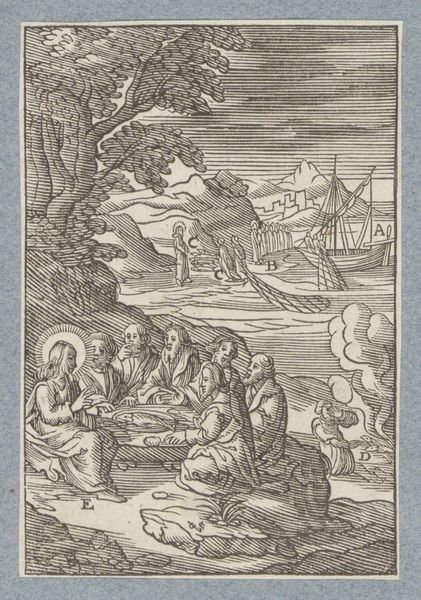
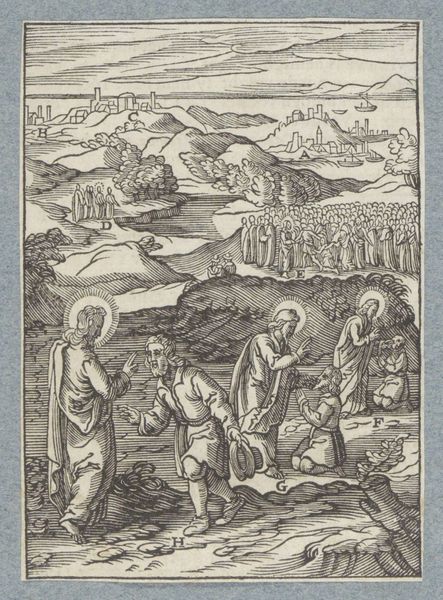
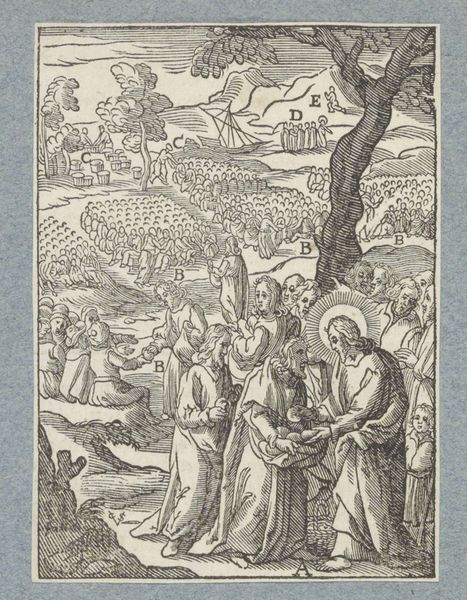
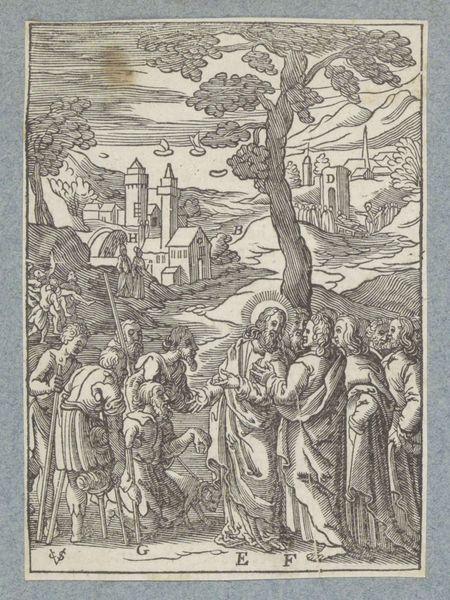
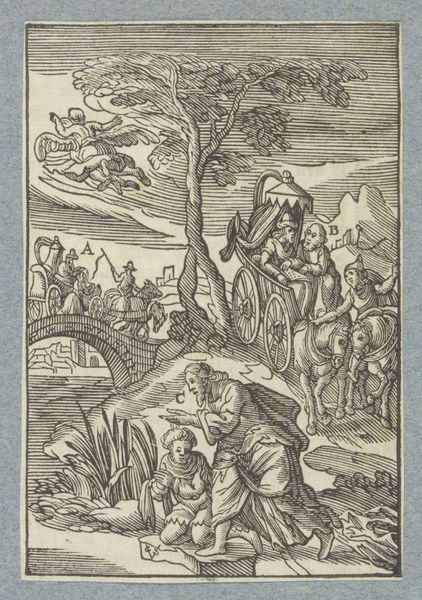
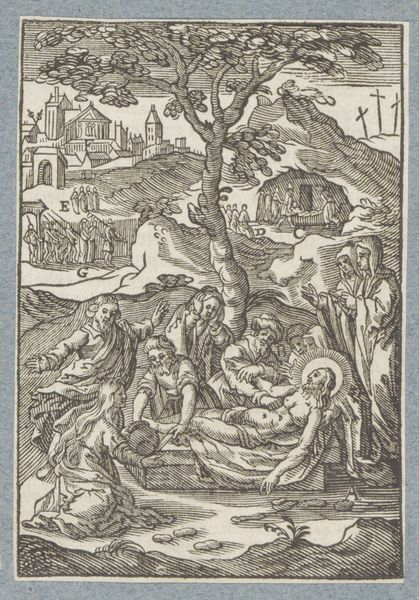
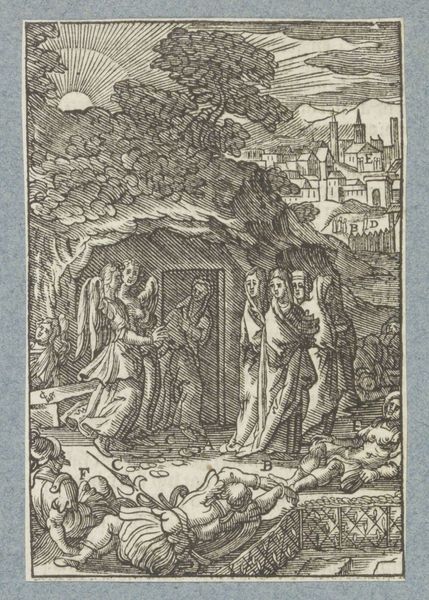
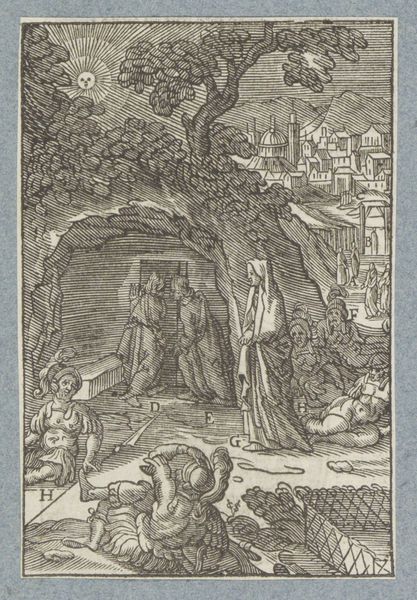
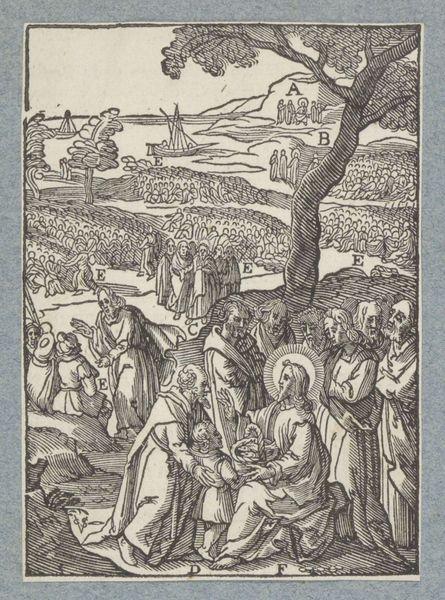
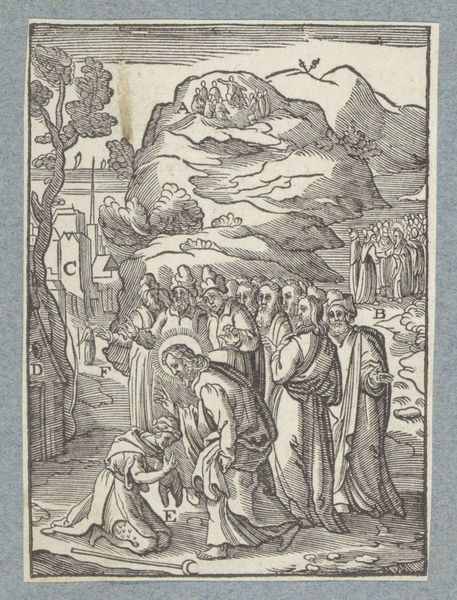
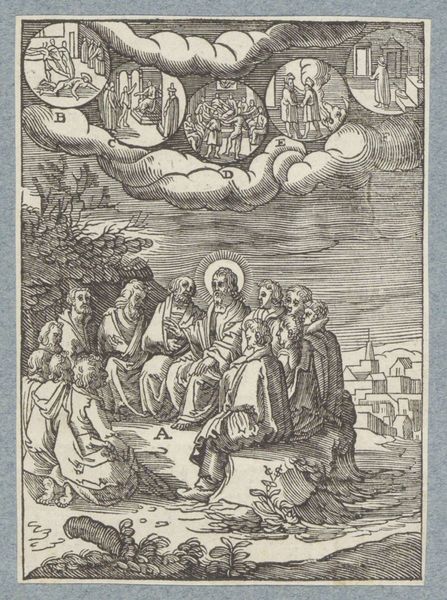
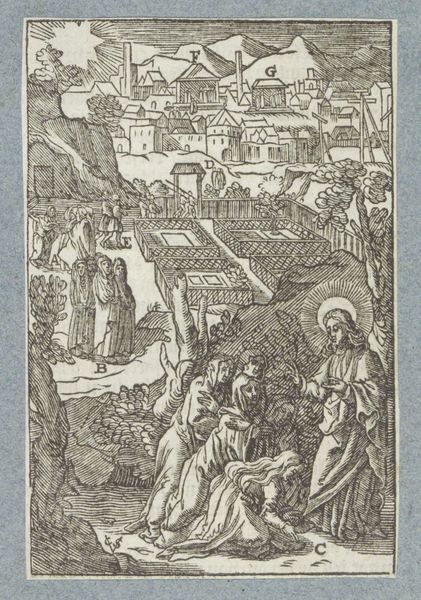
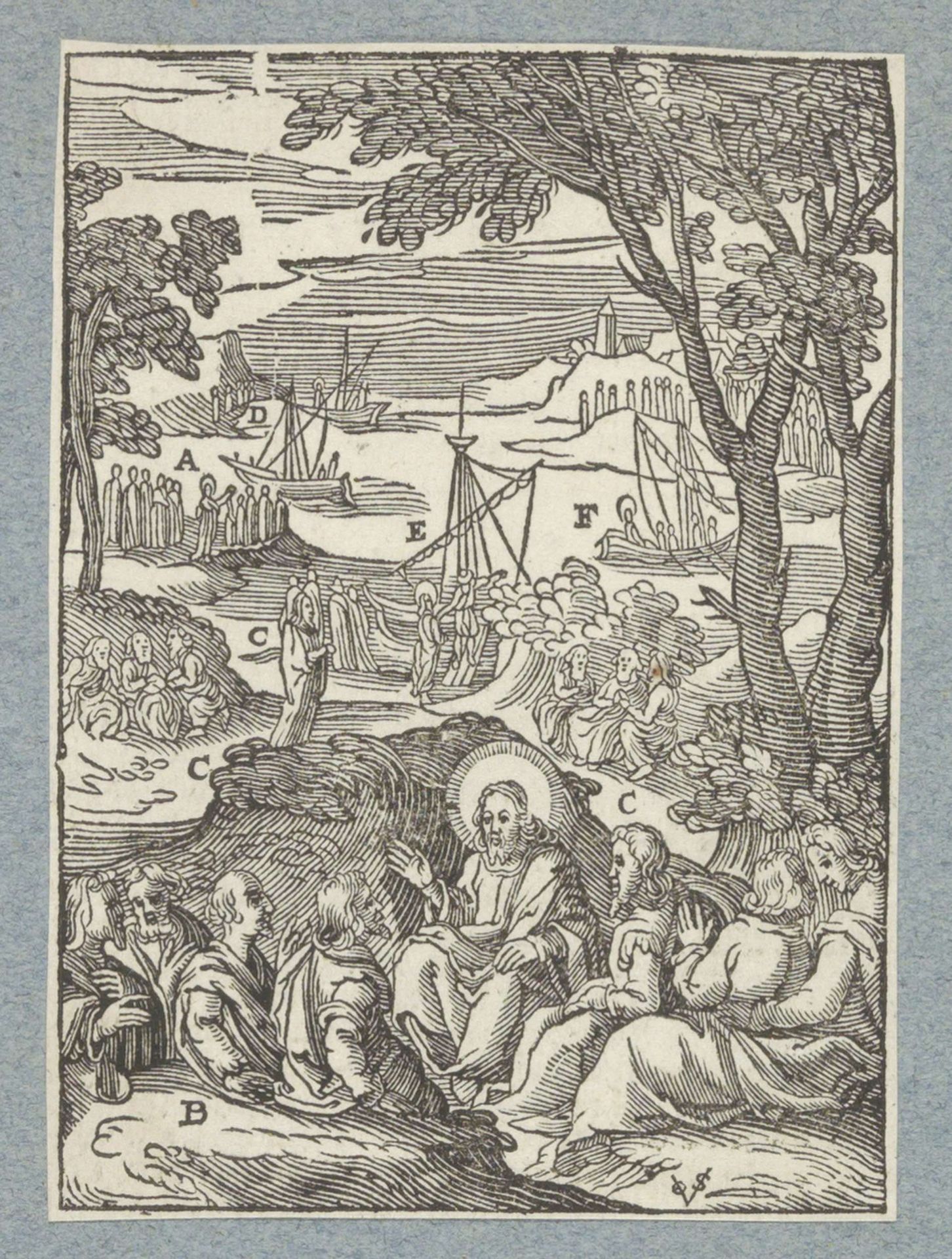
Christoffel van Sichem created this woodcut, "Christ among his disciples," in the early 17th century. Central to this image is the figure of Christ, radiating light, surrounded by his followers. Consider the halo, a symbol of divine illumination, not unique to Christian art. We see it echoed in earlier depictions of Roman emperors, or even further back, in sun gods of ancient Egypt. The gesture of teaching, with Christ's raised hand, resonates too. Think of similar poses in images of Buddha, or Greek philosophers imparting wisdom. These visual motifs are not static. Their repeated use across cultures and eras reveals a deep, human desire for knowledge and spiritual connection. They tap into a collective memory, a subconscious recognition of shared experiences and aspirations, continually reshaped by each new context. This cyclical progression demonstrates how symbols evolve, carrying echoes of the past into the present.
Christus tussen zijn leerlingen
1629

Christoffel van (II) Sichem
1581 - 1658Location
RijksmuseumArtwork details
- Medium
- print, woodcut, engraving
- Dimensions
- height 102 mm, width 72 mm
- Location
- Rijksmuseum
- Copyright
- Rijks Museum: Open Domain
Tags
narrative-art
landscape
woodcut
northern-renaissance
engraving
Comments
Be the first to share your thoughts about this work.
About this artwork
Christoffel van Sichem created this woodcut, "Christ among his disciples," in the early 17th century. Central to this image is the figure of Christ, radiating light, surrounded by his followers. Consider the halo, a symbol of divine illumination, not unique to Christian art. We see it echoed in earlier depictions of Roman emperors, or even further back, in sun gods of ancient Egypt. The gesture of teaching, with Christ's raised hand, resonates too. Think of similar poses in images of Buddha, or Greek philosophers imparting wisdom. These visual motifs are not static. Their repeated use across cultures and eras reveals a deep, human desire for knowledge and spiritual connection. They tap into a collective memory, a subconscious recognition of shared experiences and aspirations, continually reshaped by each new context. This cyclical progression demonstrates how symbols evolve, carrying echoes of the past into the present.
Comments
Be the first to share your thoughts about this work.