About this artwork
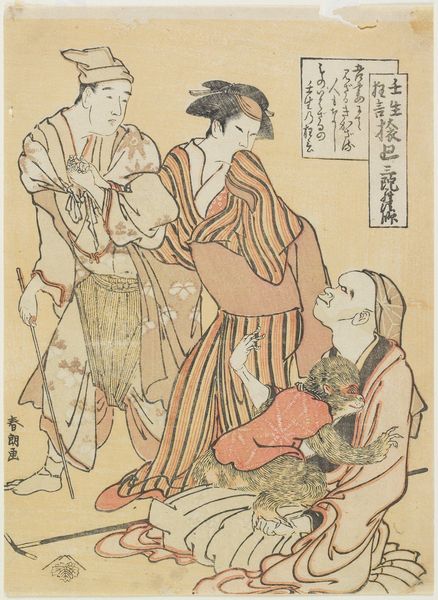
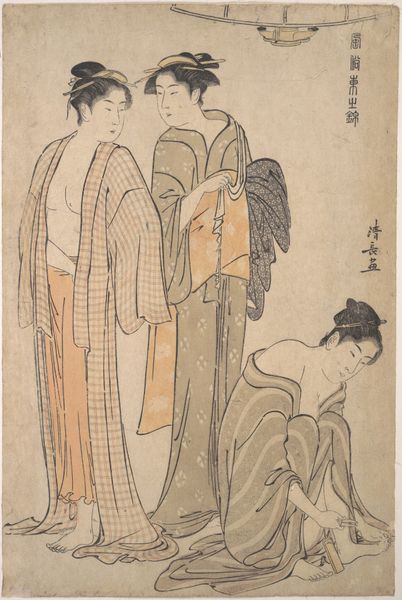
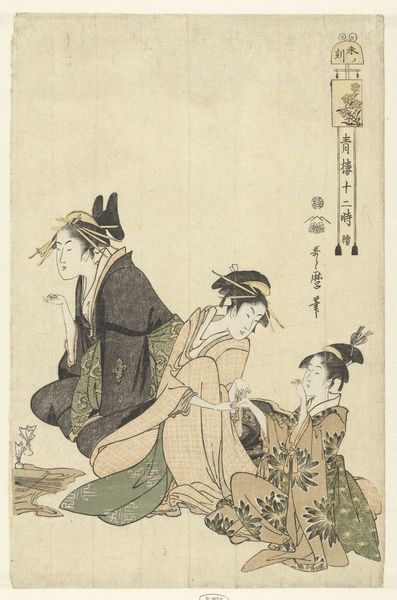
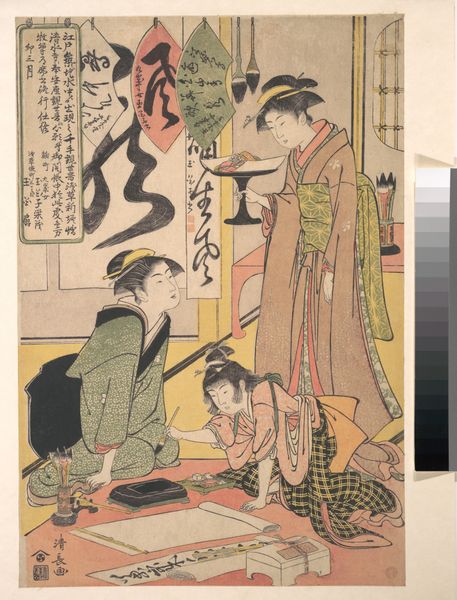
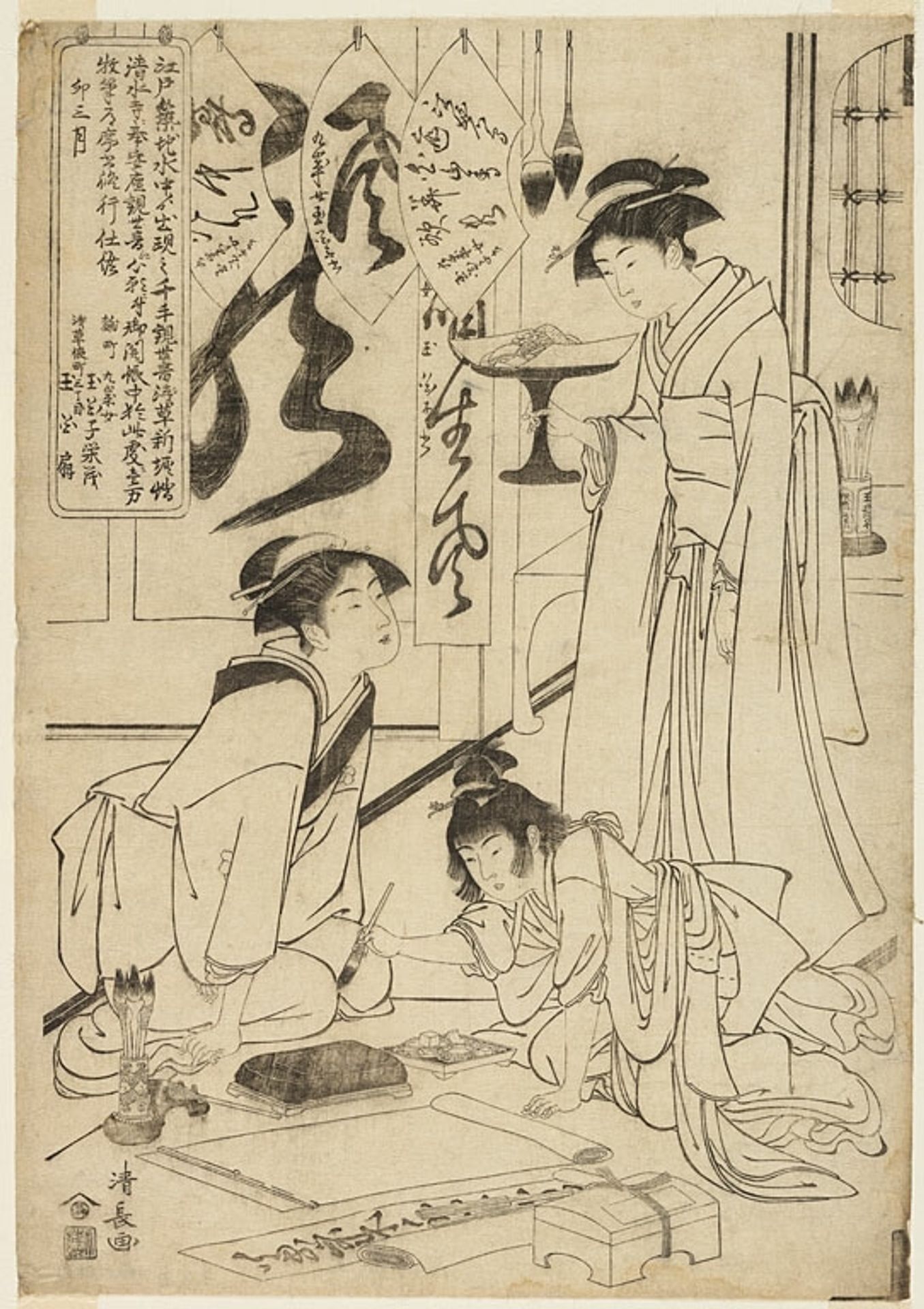
Torii Kiyonaga created this woodblock print titled, Gyokkashi Eimo before Executing Calligraphy, in Japan during the late 18th century. We see three elegantly dressed women preparing for a calligraphy session. The print offers insight into the cultural and social life of women in the Edo period, particularly their roles in artistic and intellectual activities. Calligraphy, traditionally a male domain, is here depicted as an activity for women, suggesting a shift in social norms or at least a representation of such a shift within the artistic sphere. The presence of these women actively engaging in the arts challenges the traditional gender roles prevalent in the society of that time. To fully appreciate its meaning, we need to research the social status of women in 18th-century Japan. By engaging with such historical contexts, we reveal the dynamic interplay between art, society, and cultural change.
Gyokkashi Eimo before Executing Calligraphy (Gyokkashi no sekisho) 1783


Artwork details
- Medium
- print, paper, ink
- Dimensions
- 38.6 × 27.0 cm (15 3/16 × 10 5/8 in.)
- Location
- The Art Institute of Chicago
- Copyright
- Public Domain
Tags
portrait
ink drawing
pen sketch
asian-art
ukiyo-e
paper
ink
Comments
No comments
About this artwork
Torii Kiyonaga created this woodblock print titled, Gyokkashi Eimo before Executing Calligraphy, in Japan during the late 18th century. We see three elegantly dressed women preparing for a calligraphy session. The print offers insight into the cultural and social life of women in the Edo period, particularly their roles in artistic and intellectual activities. Calligraphy, traditionally a male domain, is here depicted as an activity for women, suggesting a shift in social norms or at least a representation of such a shift within the artistic sphere. The presence of these women actively engaging in the arts challenges the traditional gender roles prevalent in the society of that time. To fully appreciate its meaning, we need to research the social status of women in 18th-century Japan. By engaging with such historical contexts, we reveal the dynamic interplay between art, society, and cultural change.
Comments
No comments