About this artwork
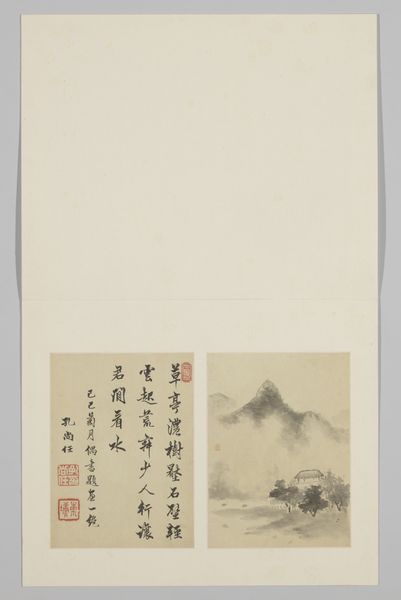
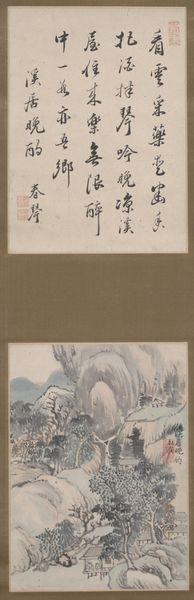
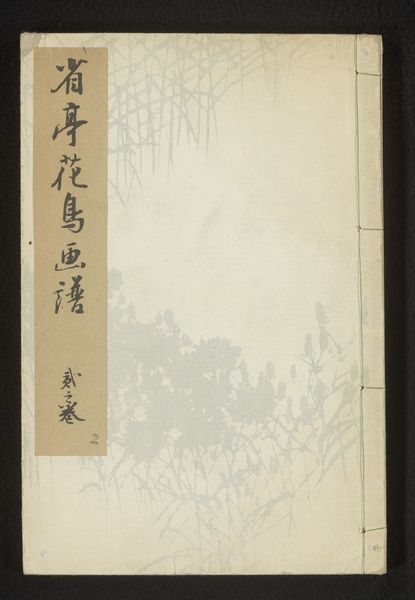
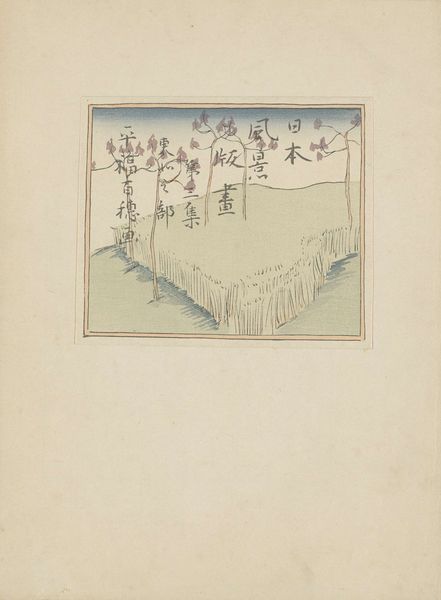
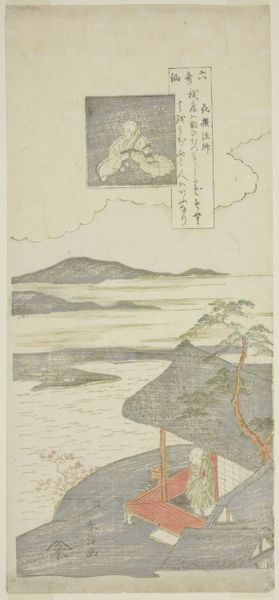
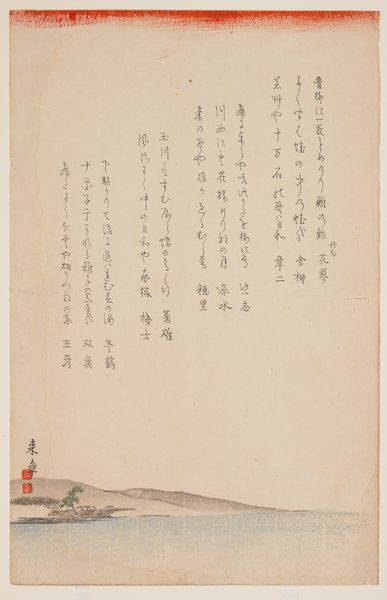
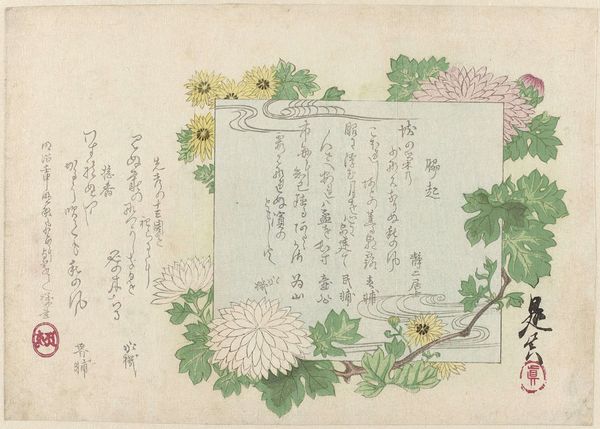
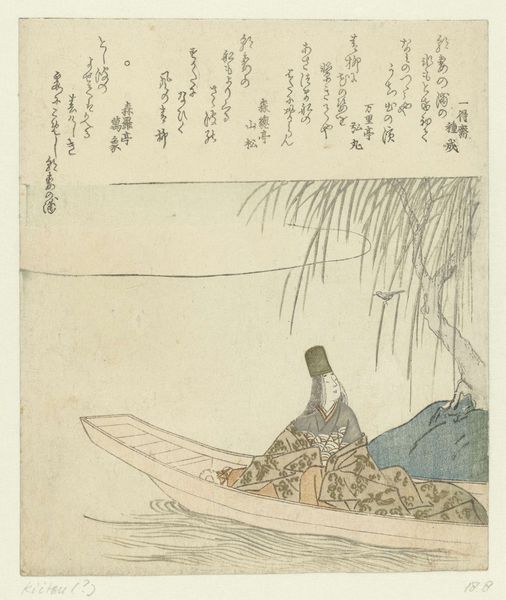
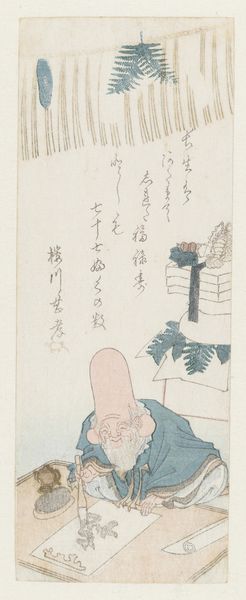
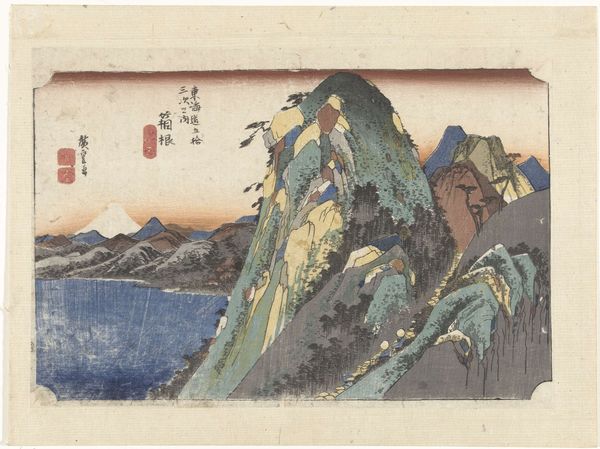
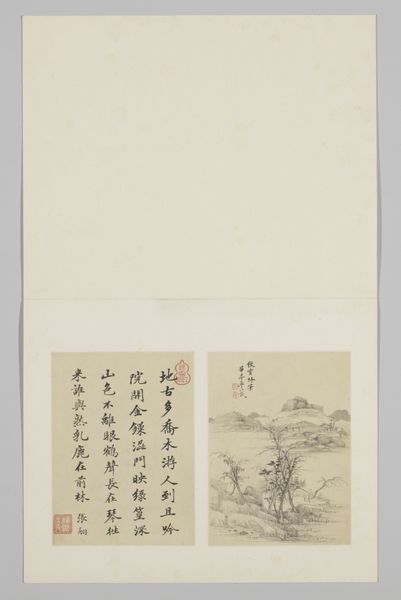
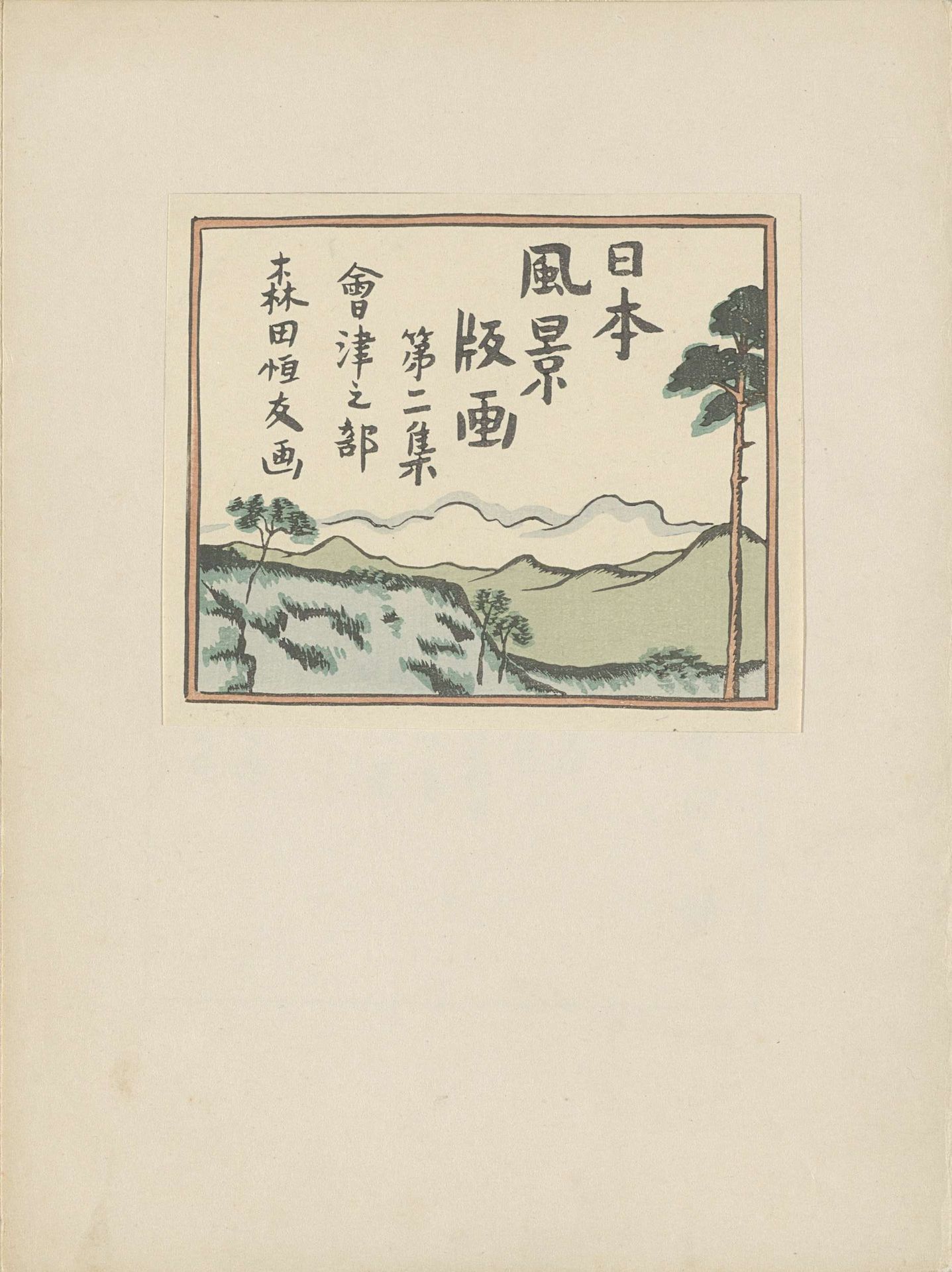
Curator: Well, what's your initial response to this understated rendering? Editor: Austere, but striking. There’s a clear sense of labor present—the lines are economical yet precise. It evokes the craft of printmaking more than high art in some ways, doesn't it? Curator: I would like to introduce Morita Tsunetomo's 1917 work, "Deel twee, Aizu gebied," currently held at the Rijksmuseum. We see a landscape of the Aizu region, articulated in ink and light washes. Its quietude belies its depth. Do you sense the historical echoes embedded here? Editor: The use of aged paper really emphasizes the physical history; it grounds the scene. The visible grain and texture invite us to consider the production process—the choice of materials, the layering of ink. Is that texture printed in there? Or a drawing style? It makes me want to understand Tsunetomo’s engagement with the natural world. Curator: Note how the traditional Japanese artistic practice emphasizes the landscape. The towering tree, the receding mountains…it all contributes to a sense of place, but also to something larger, some notion of connection to nature’s enduring presence. The limited palette heightens that, lending it an iconic simplicity. Editor: The 'personal sketchbook' quality of this piece suggests something about art and labour and accessibility; the idea that artistic vision can take shape even outside the established art market is palpable. Does that aesthetic tradition carry some historical association here? I suspect this relates to some kind of movement, school, or practice beyond just visual fidelity. Curator: Undoubtedly, that's quite perceptive. This work reveals how artistic expression has manifested in the cultural history of Japan. Perhaps it’s less about high art and more a personal experience that then becomes shared—imbued with emotional, cultural significance for generations. Editor: Exactly. Considering the political environment in the early 20th century, was printmaking such as this employed as means to share cultural touchstones and traditions under rising modernity? Curator: Certainly a means of recording memory and history while connecting society through iconography and art. This allows symbolic messaging and accessibly without high cost. It allows a democratic cultural symbolism to emerge in a variety of visual forms. Editor: So, it’s about both the depiction and dissemination; that the medium *is* the message? Curator: Precisely, one that continues to speak across time. Editor: Looking again, its subtlety now resonates much more powerfully than before. Curator: Indeed, and perhaps we can consider the image through a greater consideration of our society and the ways in which its history is visualized and recorded through iconography, such as these landscape motifs in print.

Artwork details
- Dimensions
- height 332 mm, width 250 mm, height 315 mm, width 417 mm
- Location
- Rijksmuseum
- Copyright
- Rijks Museum: Open Domain
Tags
Comments
Share your thoughts
About this artwork
Curator: Well, what's your initial response to this understated rendering? Editor: Austere, but striking. There’s a clear sense of labor present—the lines are economical yet precise. It evokes the craft of printmaking more than high art in some ways, doesn't it? Curator: I would like to introduce Morita Tsunetomo's 1917 work, "Deel twee, Aizu gebied," currently held at the Rijksmuseum. We see a landscape of the Aizu region, articulated in ink and light washes. Its quietude belies its depth. Do you sense the historical echoes embedded here? Editor: The use of aged paper really emphasizes the physical history; it grounds the scene. The visible grain and texture invite us to consider the production process—the choice of materials, the layering of ink. Is that texture printed in there? Or a drawing style? It makes me want to understand Tsunetomo’s engagement with the natural world. Curator: Note how the traditional Japanese artistic practice emphasizes the landscape. The towering tree, the receding mountains…it all contributes to a sense of place, but also to something larger, some notion of connection to nature’s enduring presence. The limited palette heightens that, lending it an iconic simplicity. Editor: The 'personal sketchbook' quality of this piece suggests something about art and labour and accessibility; the idea that artistic vision can take shape even outside the established art market is palpable. Does that aesthetic tradition carry some historical association here? I suspect this relates to some kind of movement, school, or practice beyond just visual fidelity. Curator: Undoubtedly, that's quite perceptive. This work reveals how artistic expression has manifested in the cultural history of Japan. Perhaps it’s less about high art and more a personal experience that then becomes shared—imbued with emotional, cultural significance for generations. Editor: Exactly. Considering the political environment in the early 20th century, was printmaking such as this employed as means to share cultural touchstones and traditions under rising modernity? Curator: Certainly a means of recording memory and history while connecting society through iconography and art. This allows symbolic messaging and accessibly without high cost. It allows a democratic cultural symbolism to emerge in a variety of visual forms. Editor: So, it’s about both the depiction and dissemination; that the medium *is* the message? Curator: Precisely, one that continues to speak across time. Editor: Looking again, its subtlety now resonates much more powerfully than before. Curator: Indeed, and perhaps we can consider the image through a greater consideration of our society and the ways in which its history is visualized and recorded through iconography, such as these landscape motifs in print.
Comments
Share your thoughts