c. 20,000 BCE
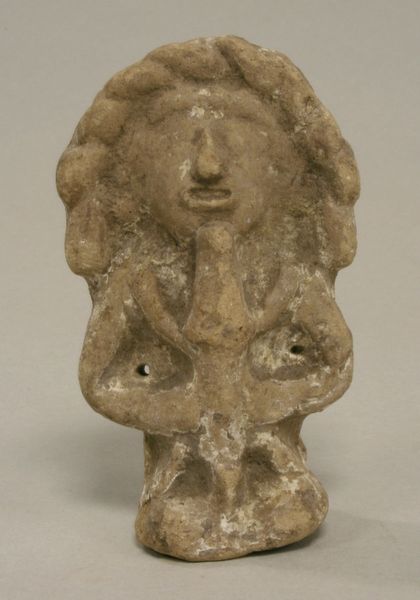
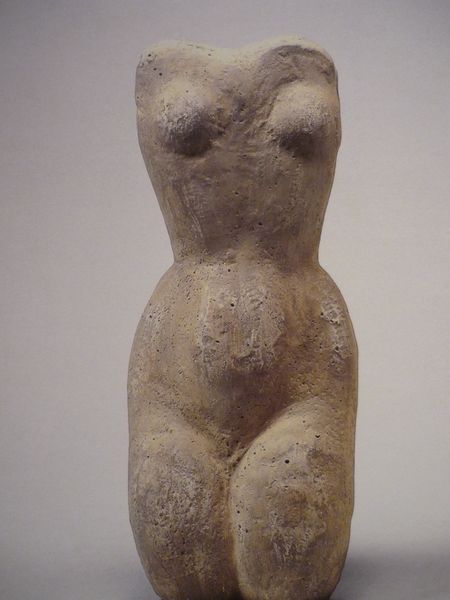
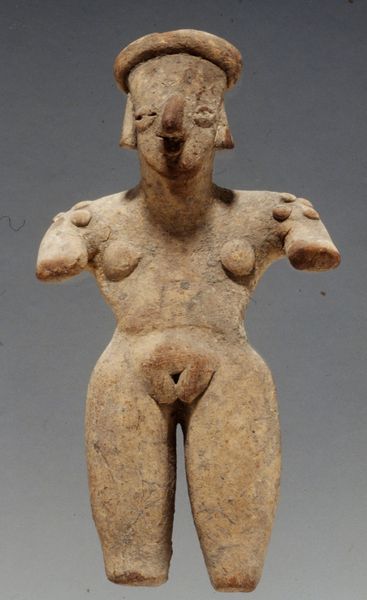
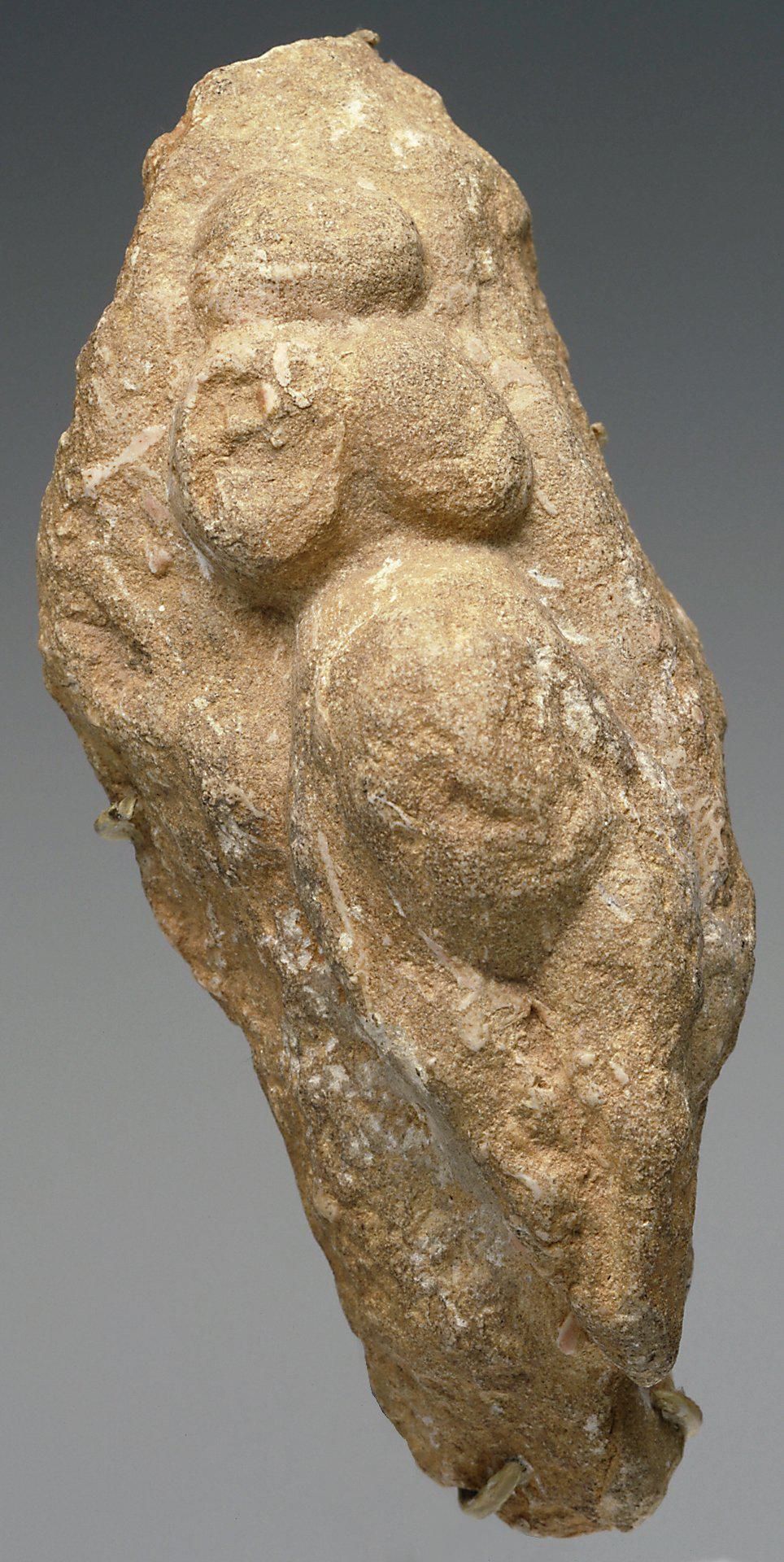
Female figure


Listen to curator's interpretation
Curatorial notes
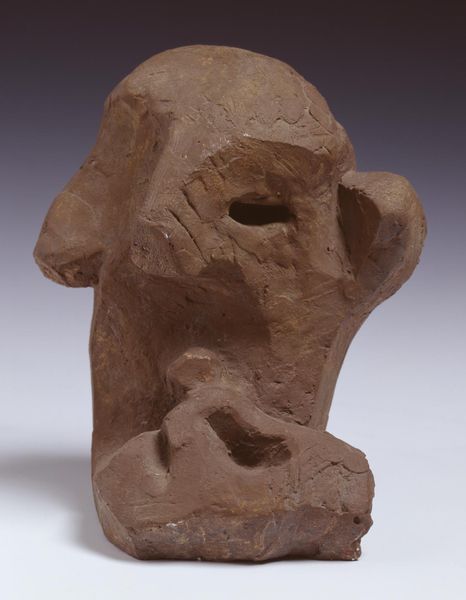
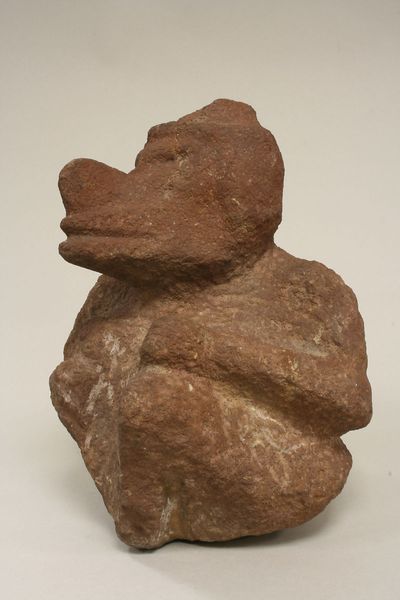
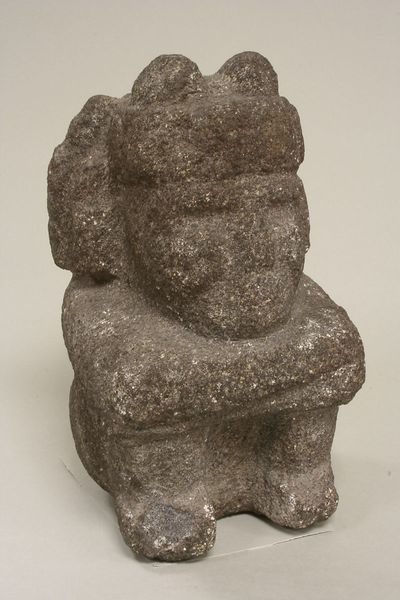
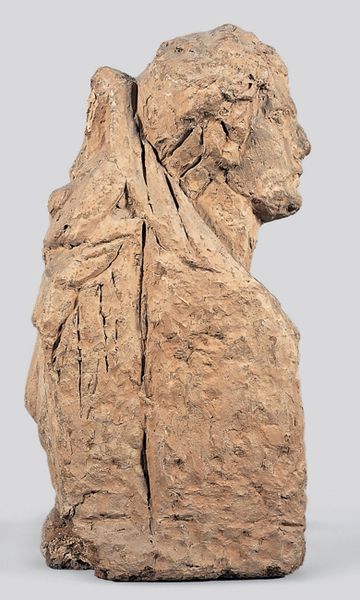
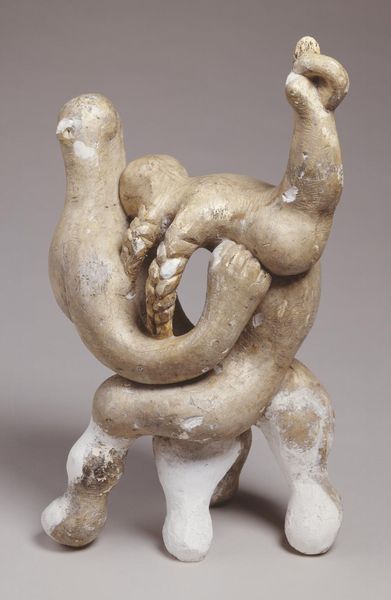
Curator: Standing before us is a carving identified as "Female figure," dating from approximately 20,000 BCE. It resides here at the Minneapolis Institute of Art and presents an early example of figurative sculpture. Editor: Immediately, I am struck by its texture – it feels so raw, almost like it was just unearthed. The heavy, voluptuous form contrasts with the roughness of the stone. Curator: Indeed. Figures such as this are fascinating for what they reveal about Paleolithic society. One school of thought views these so-called Venus figures as representative of fertility, reflecting cultural concerns of survival and abundance. The prominence of breasts and abdomen certainly underscores this reading. Editor: I think it's important to move beyond a strictly reproductive framework. To label it simply as fertility diminishes its possible complexity. These images may have also been connected to ideas about female power, social cohesion, and maybe even spiritual practice. We should consider it in light of the symbolic language and belief systems of the period, which are likely complex and poorly understood from today’s perspective. Curator: Absolutely, the specific function continues to be a point of scholarly debate. But consider that for Upper Paleolithic people the creation of such an object was in itself an incredibly involved undertaking, suggesting that it possessed considerable value to them. Also interesting to think about where this "Female Figure" has been situated throughout history. Once a cult object, maybe later an ethnographical study piece, and today, a high-value artwork hanging on the wall. Editor: And think about what it meant to even represent the female body in the context of survival. How often women's strength is reduced to that of merely their fertility potential instead of as powerful hunters and gatherers of communities. This brings up wider societal patterns of seeing art primarily through patriarchal lens, instead of giving due attention to cultural production by women. Curator: You’ve certainly given me pause. When viewed through a modern lens, it’s challenging to disconnect this sculpture from loaded contemporary issues. However, standing here in its presence, its age and artistry continue to resonate with us. Editor: It pushes me to think deeper about the role and treatment of the female figure in art and society throughout time, and I hope that visitors can also take on the opportunity to critically examine the meaning.