1945 - 1946
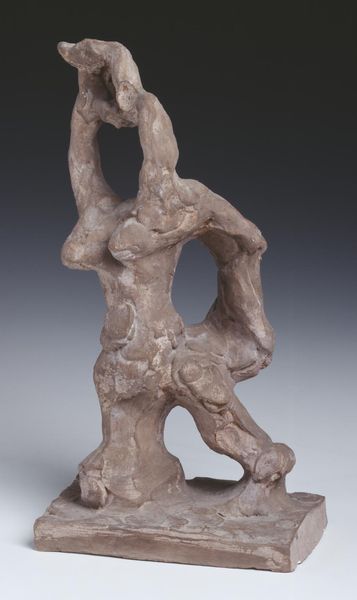
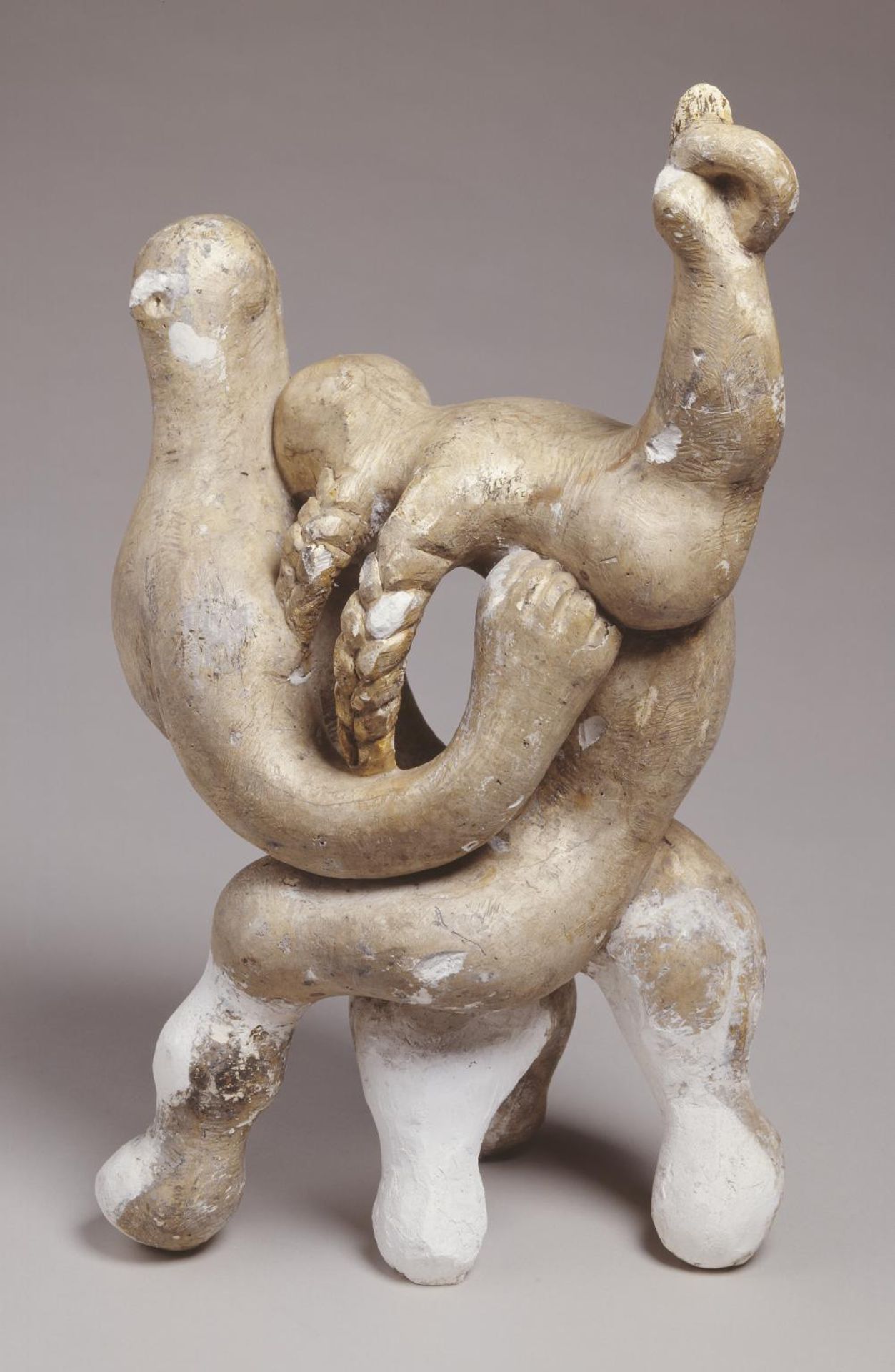
The Joy of Orpheus II


Listen to curator's interpretation
Curatorial notes
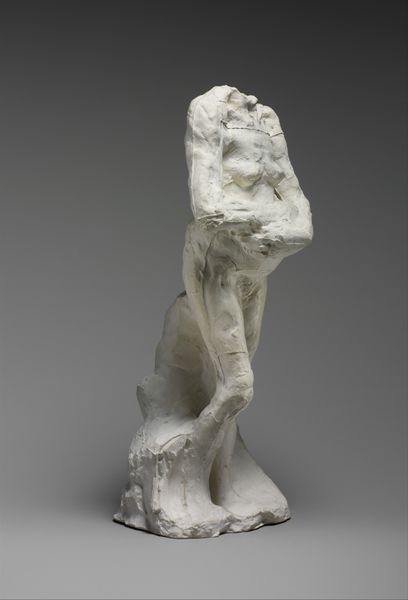
Editor: So, this is Jacques Lipchitz's "The Joy of Orpheus II," undated, at the Tate. The sculpture feels both ancient and modern. What stories do you think it's trying to tell? Curator: It's about resistance and cultural memory. Lipchitz, a Lithuanian Jew, fled Nazi-occupied France. Orpheus, the mythical musician, becomes a symbol of hope and artistic resilience against fascism. How does that reading resonate with you? Editor: It really changes how I see the sculpture. I was focused on the sort of primitive, almost abstract, forms. Curator: Exactly! The abstraction itself becomes a form of coded protest. It’s a way to express the unspeakable trauma and maintain artistic integrity. Editor: Wow, it’s amazing how much context can shape understanding. Thanks! Curator: Indeed, history is never silent; it reverberates through art.