About this artwork
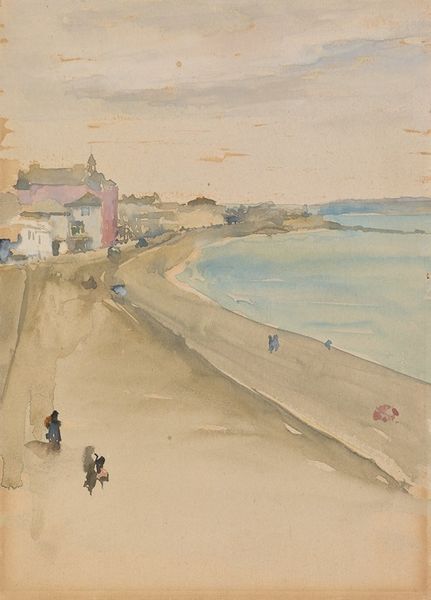
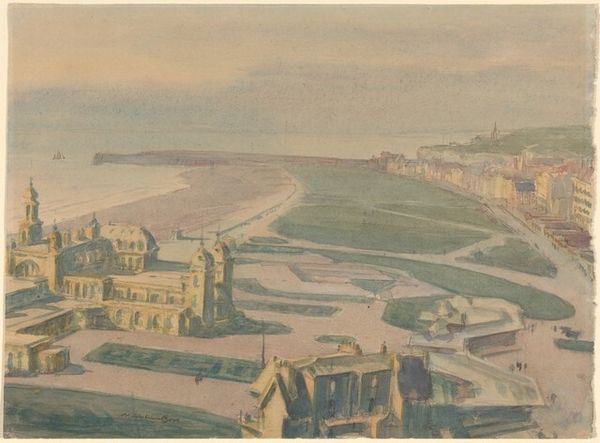
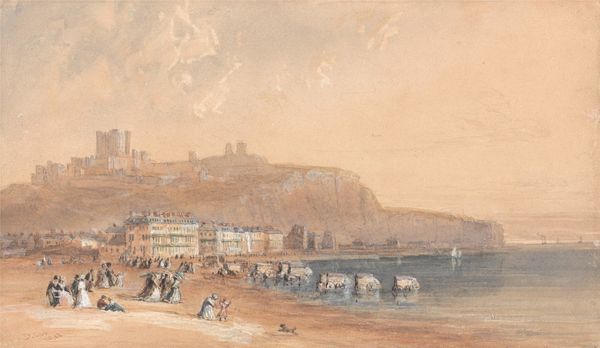
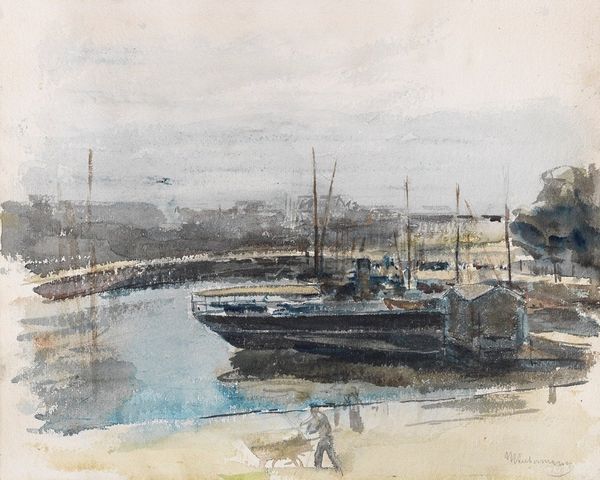
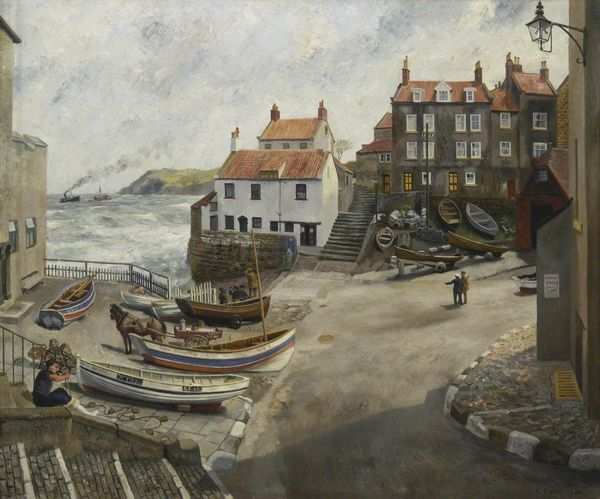
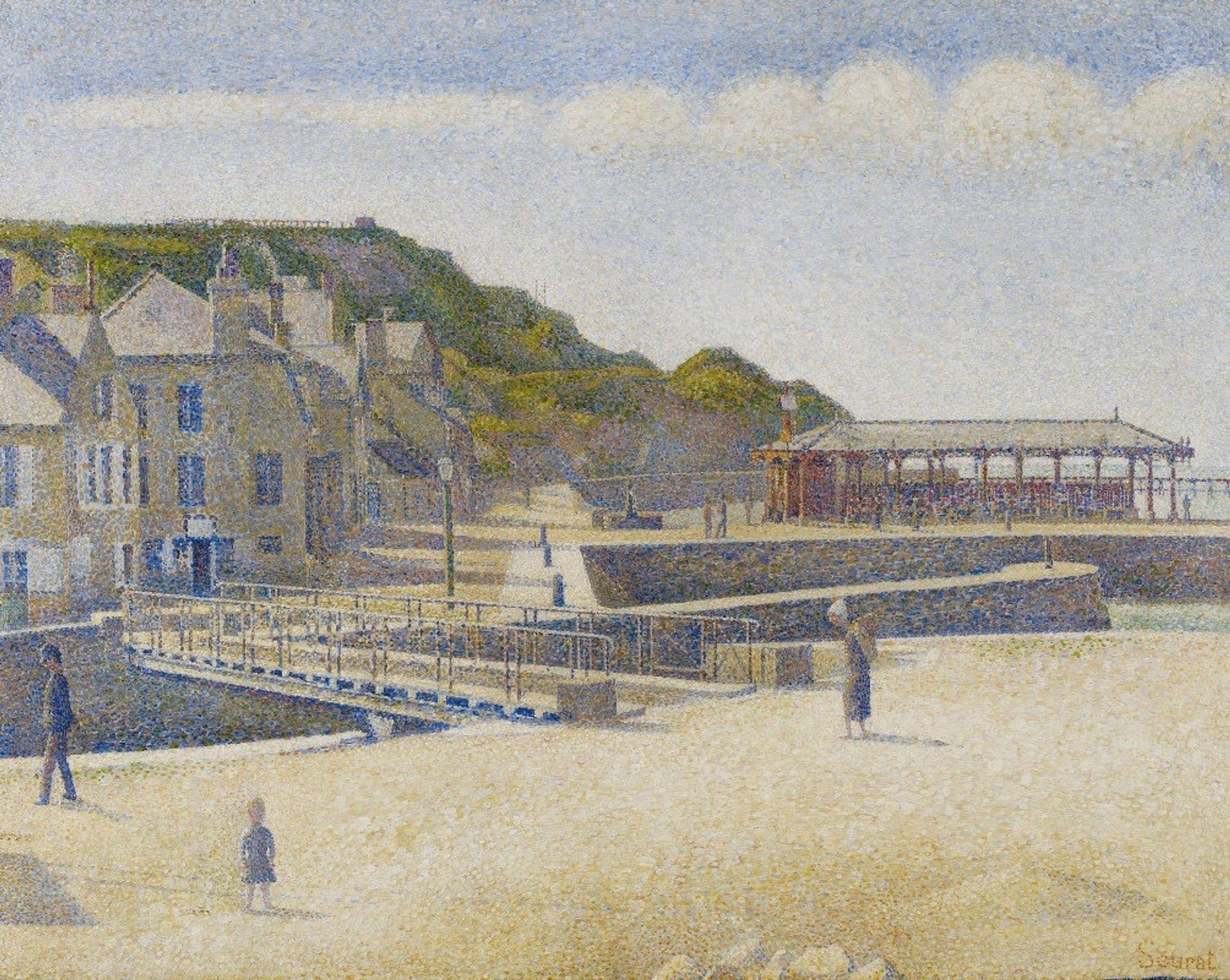
Georges Seurat painted this coastal view using oil on canvas, sometime in the late 19th century. His meticulous method involved applying countless tiny dots of pure color, a technique known as Pointillism. Look closely, and you'll see how the overall image emerges from this painstaking process, as the viewer's eye blends the individual strokes into a unified scene. This approach wasn't just about aesthetics; it was rooted in scientific theories of color and perception. Seurat sought to achieve a new level of optical brilliance, pushing the boundaries of traditional painting. The labor-intensive nature of Pointillism is also significant. It required immense patience and discipline, a stark contrast to the spontaneity often associated with Impressionism. In a way, Seurat's method mirrors the repetitive, disciplined work of industrial labor, which was becoming increasingly prevalent in his time. So, when we consider Port-en-Bessin, remember that it's not just a pretty picture. It's the result of a deliberate, almost mechanical process, reflecting broader social and economic shifts in 19th-century France, challenging our conventional ideas of artistic skill.

Artwork details
- Medium
- painting, oil-paint
- Copyright
- Public Domain: Artvee
Tags
painting
impressionism
oil-paint
landscape
oil painting
cityscape
post-impressionism
realism
Comments
No comments
About this artwork
Georges Seurat painted this coastal view using oil on canvas, sometime in the late 19th century. His meticulous method involved applying countless tiny dots of pure color, a technique known as Pointillism. Look closely, and you'll see how the overall image emerges from this painstaking process, as the viewer's eye blends the individual strokes into a unified scene. This approach wasn't just about aesthetics; it was rooted in scientific theories of color and perception. Seurat sought to achieve a new level of optical brilliance, pushing the boundaries of traditional painting. The labor-intensive nature of Pointillism is also significant. It required immense patience and discipline, a stark contrast to the spontaneity often associated with Impressionism. In a way, Seurat's method mirrors the repetitive, disciplined work of industrial labor, which was becoming increasingly prevalent in his time. So, when we consider Port-en-Bessin, remember that it's not just a pretty picture. It's the result of a deliberate, almost mechanical process, reflecting broader social and economic shifts in 19th-century France, challenging our conventional ideas of artistic skill.
Comments
No comments