About this artwork
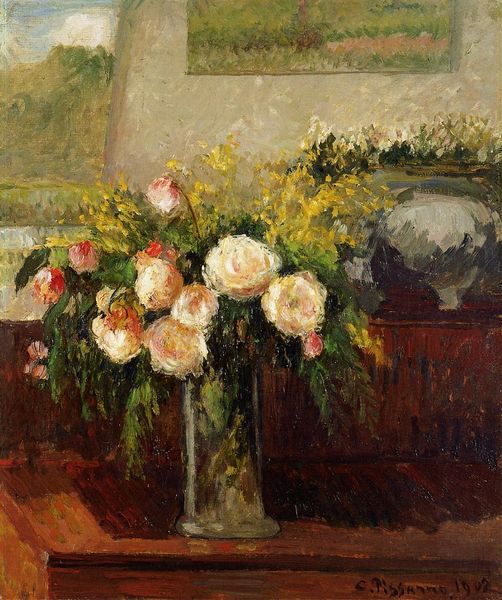
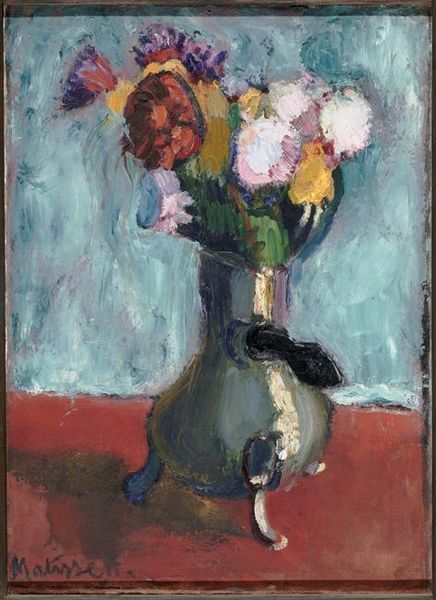
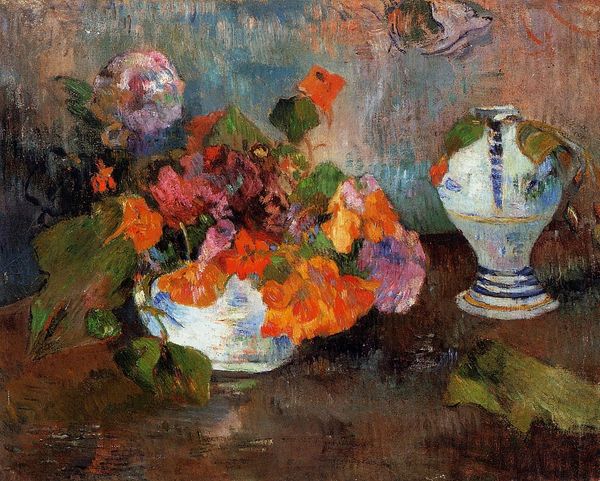
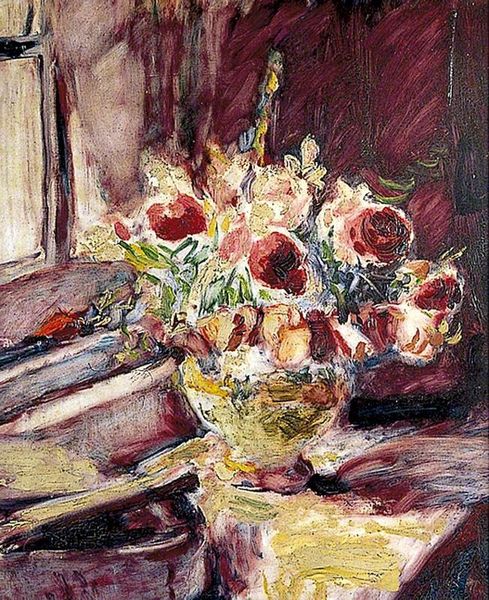
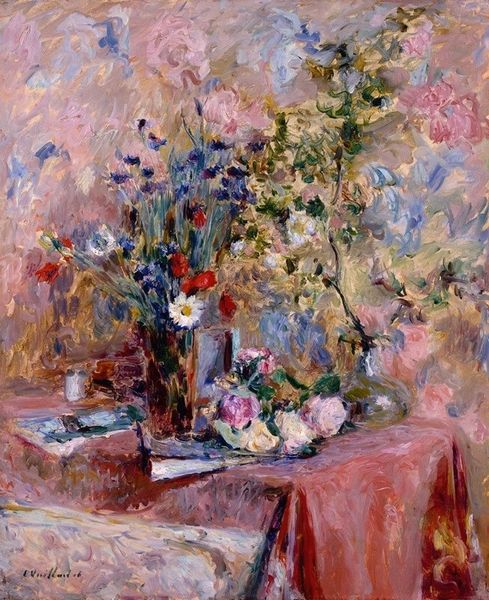
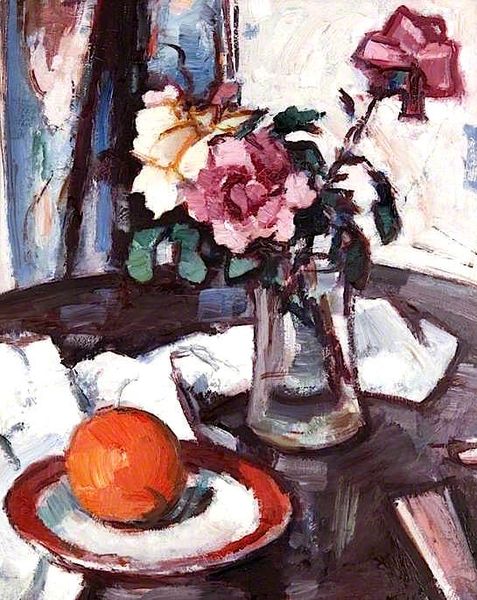
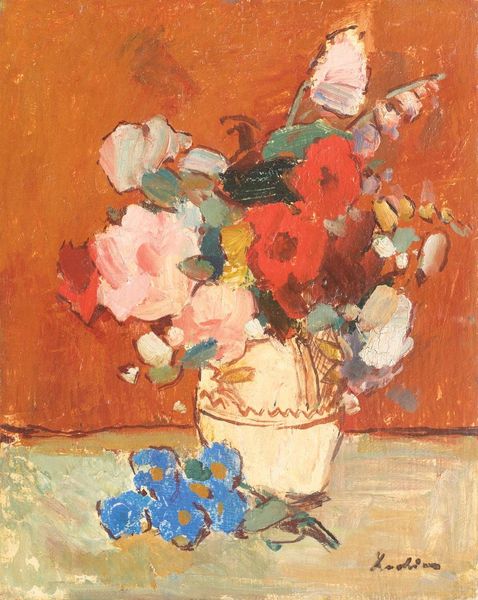
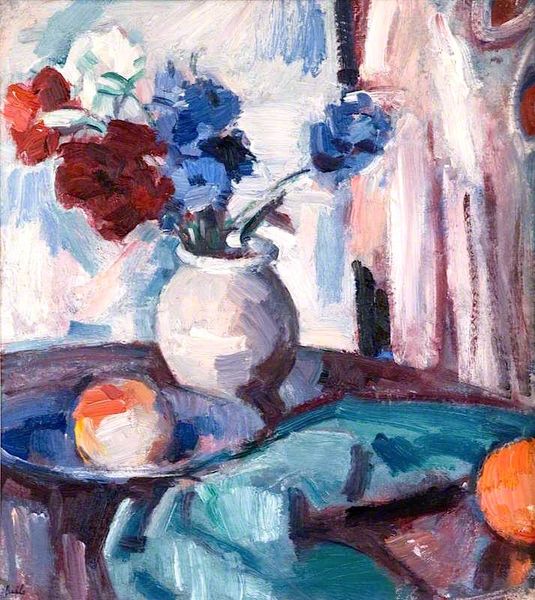
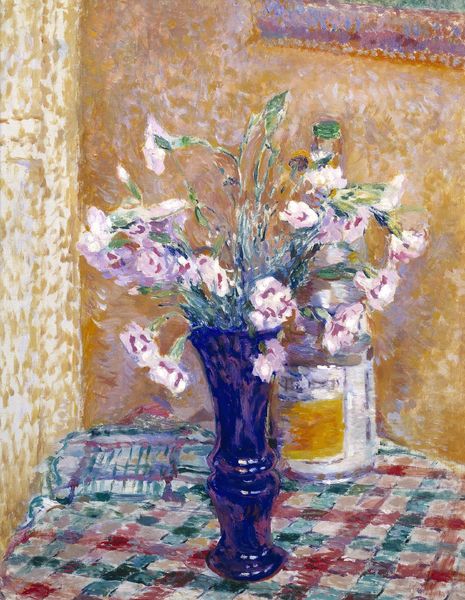
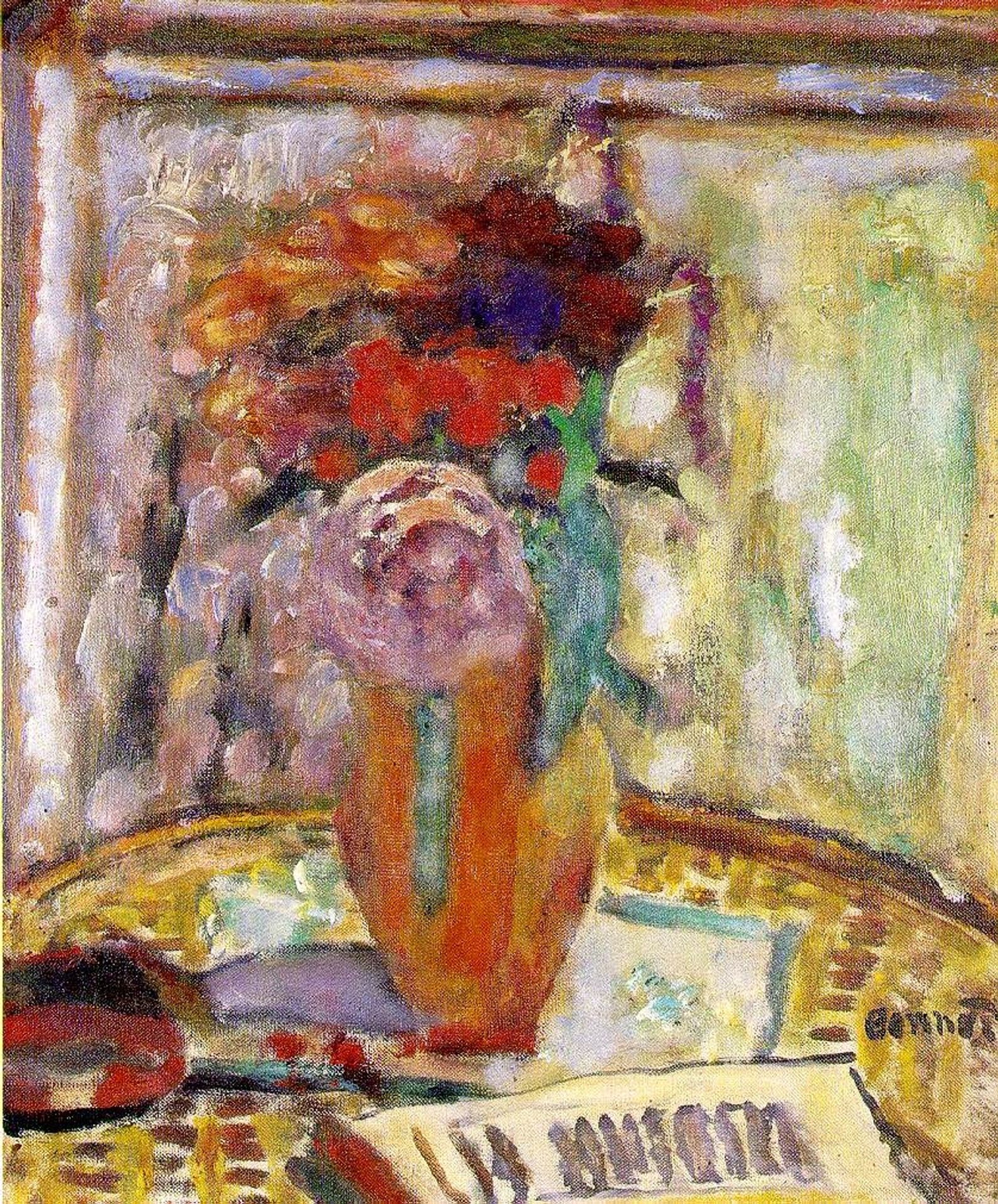
Pierre Bonnard's "The Vase of Flowers," whose date remains unconfirmed, offers a glimpse into the domestic life of the French upper-middle class at the turn of the century. Bonnard, a founding member of the Post-Impressionist group Les Nabis, paints not just a still life, but a moment in time: a riotous bouquet in a simple vase, a newspaper lying nearby, perhaps capturing an ordinary morning. Bonnard had a deeply intimate relationship with his subjects. He once said "It's not a matter of painting life, it's a matter of giving life to painting." The arrangement speaks volumes about bourgeois notions of beauty and order. Yet, the vibrant, almost jarring color palette and the loose brushstrokes hint at a challenge to those very ideals, and we see it in the subversion of traditional domestic scenes that give us an insight into a changing world. This painting is more than just flowers. It is an intersection of class, gender, and artistic expression, mirroring a society on the cusp of transformation.

Artwork details
- Dimensions
- 39 x 32 cm
- Location
- Private Collection
- Copyright
- Public domain
Comments
Share your thoughts
About this artwork
Pierre Bonnard's "The Vase of Flowers," whose date remains unconfirmed, offers a glimpse into the domestic life of the French upper-middle class at the turn of the century. Bonnard, a founding member of the Post-Impressionist group Les Nabis, paints not just a still life, but a moment in time: a riotous bouquet in a simple vase, a newspaper lying nearby, perhaps capturing an ordinary morning. Bonnard had a deeply intimate relationship with his subjects. He once said "It's not a matter of painting life, it's a matter of giving life to painting." The arrangement speaks volumes about bourgeois notions of beauty and order. Yet, the vibrant, almost jarring color palette and the loose brushstrokes hint at a challenge to those very ideals, and we see it in the subversion of traditional domestic scenes that give us an insight into a changing world. This painting is more than just flowers. It is an intersection of class, gender, and artistic expression, mirroring a society on the cusp of transformation.
Comments
Share your thoughts