About this artwork
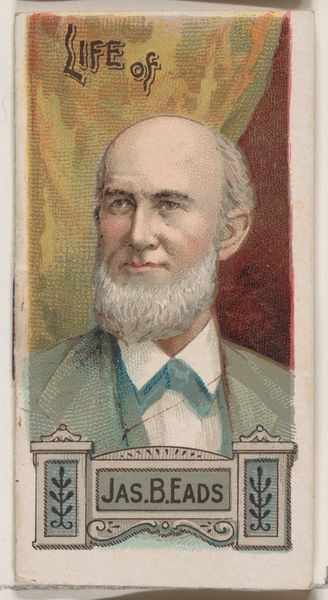
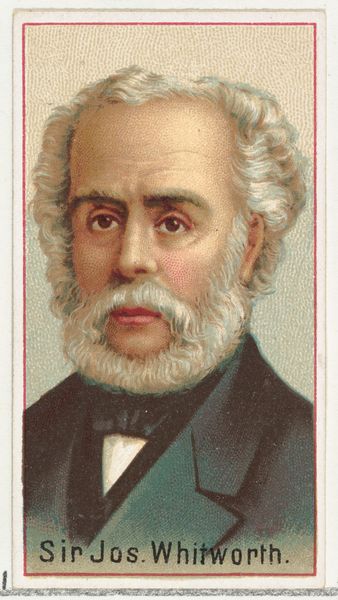
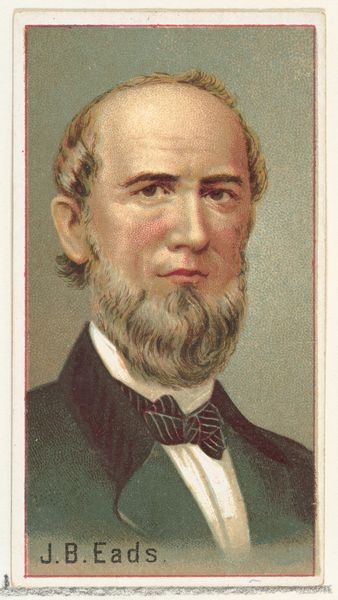
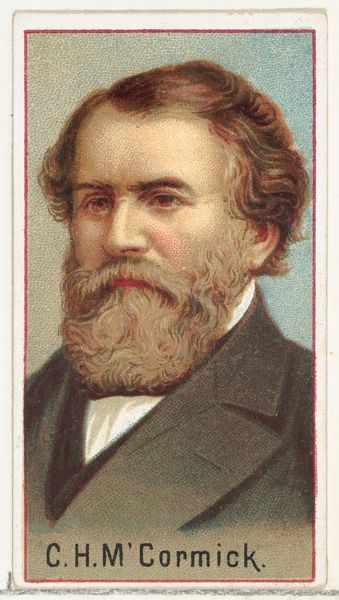
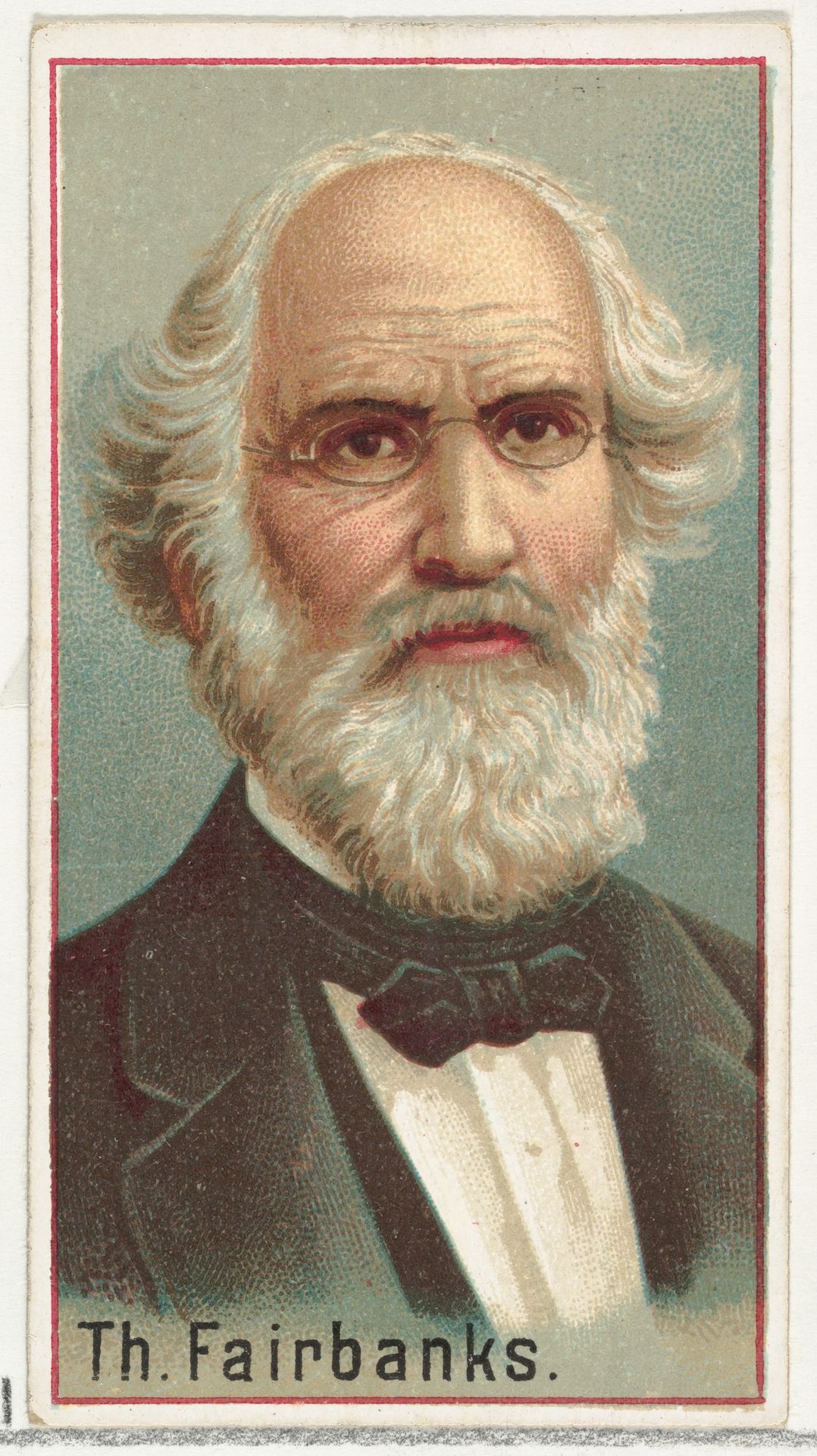
This small printer's sample made by Allen & Ginter portrays Thaddeus Fairbanks within a muted color palette and a tightly framed composition. The artist uses soft gradations of color to model Fairbanks' face and beard, lending a lifelike quality to the subject, while the thin, precise lines define his eyeglasses and facial features, suggesting a meticulous attention to detail. The card, produced as part of a series for Allen & Ginter Cigarettes, functions as both a commercial product and a cultural artifact. Its formal structure, with a balanced composition and clear, legible text, reflects a desire to convey information efficiently and attractively. The choice of portraying inventors like Fairbanks aligns with a broader cultural fascination with progress and innovation during the late 19th century. Moreover, the card operates as a signifier of social status and cultural capital, appealing to consumers who sought to associate themselves with the ideals of innovation and refinement.
Thaddeus Fairbanks, printer's sample for the World's Inventors souvenir album (A25) for Allen & Ginter Cigarettes
1888


Artwork details
- Medium
- drawing, print
- Dimensions
- Sheet: 2 3/4 x 1 1/2 in. (7 x 3.8 cm)
- Location
- Metropolitan Museum of Art, New York, NY
- Copyright
- Public Domain
Tags
Comments
Share your thoughts
About this artwork
This small printer's sample made by Allen & Ginter portrays Thaddeus Fairbanks within a muted color palette and a tightly framed composition. The artist uses soft gradations of color to model Fairbanks' face and beard, lending a lifelike quality to the subject, while the thin, precise lines define his eyeglasses and facial features, suggesting a meticulous attention to detail. The card, produced as part of a series for Allen & Ginter Cigarettes, functions as both a commercial product and a cultural artifact. Its formal structure, with a balanced composition and clear, legible text, reflects a desire to convey information efficiently and attractively. The choice of portraying inventors like Fairbanks aligns with a broader cultural fascination with progress and innovation during the late 19th century. Moreover, the card operates as a signifier of social status and cultural capital, appealing to consumers who sought to associate themselves with the ideals of innovation and refinement.
Comments
Share your thoughts