1745 - 1755
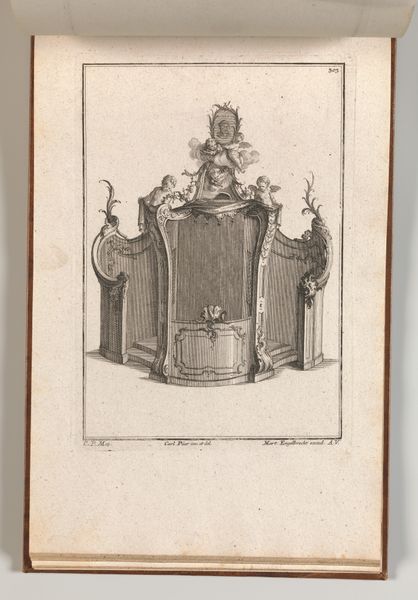
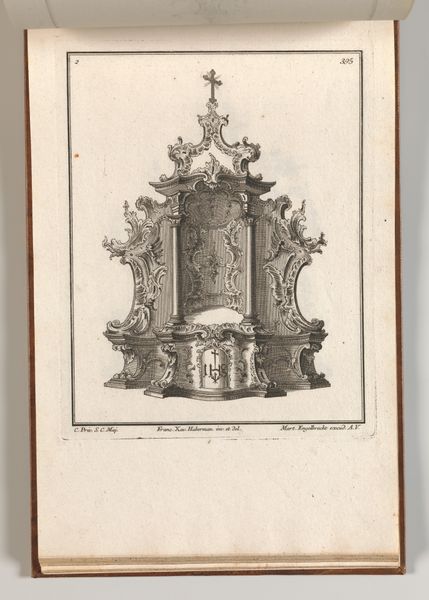
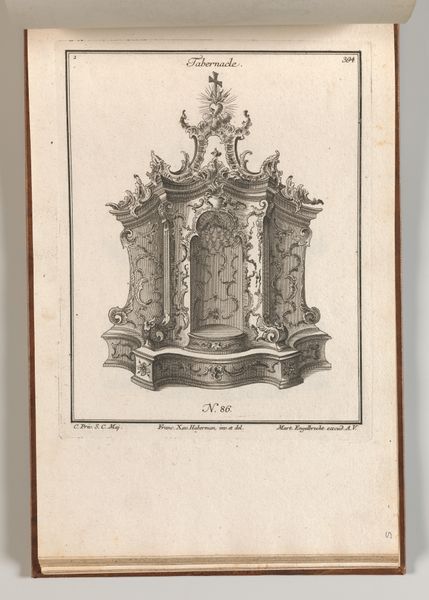
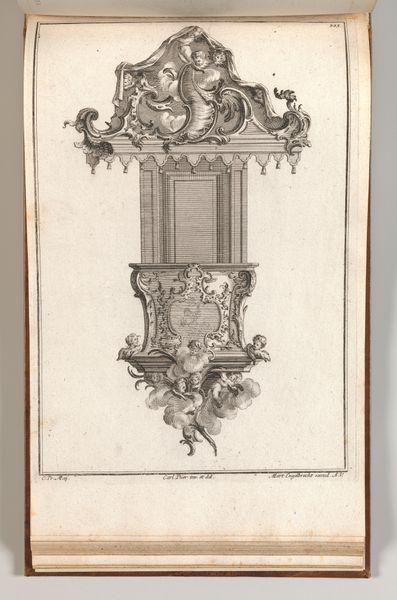
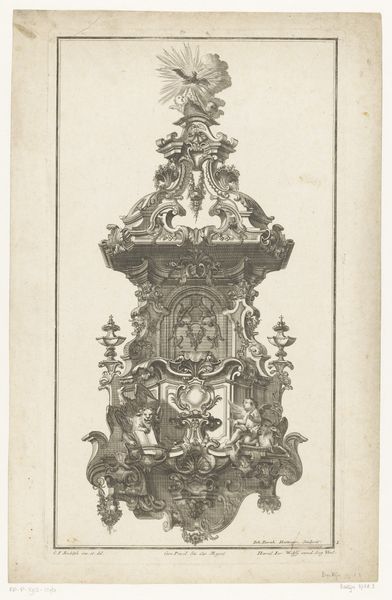
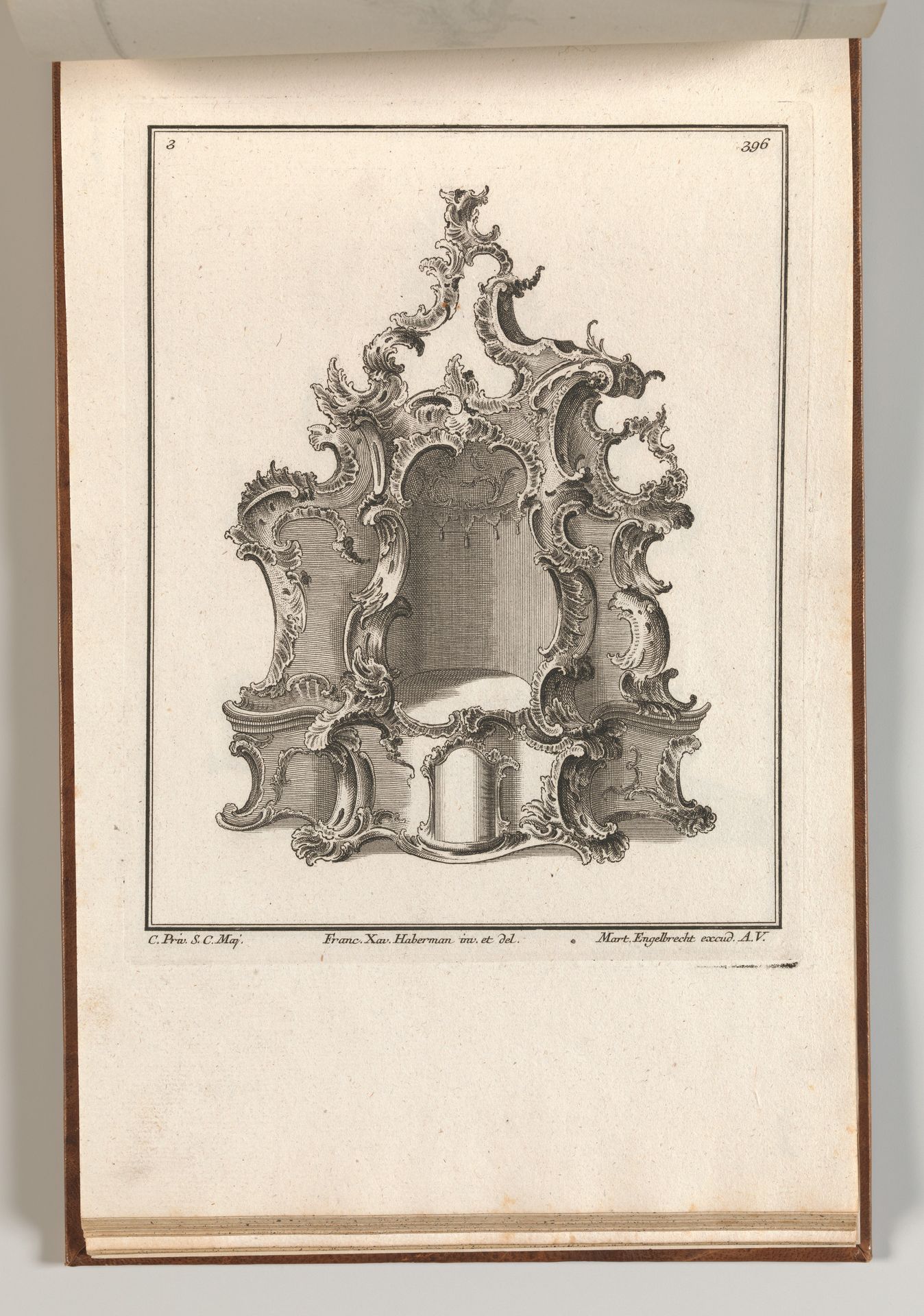
Design for a Tabernacle, Plate 3 from the series 'Tabernacle'

Franz Xavier Habermann
1721 - 1796
The Metropolitan Museum of Art
Metropolitan Museum of Art, New York, NYListen to curator's interpretation
Curatorial notes
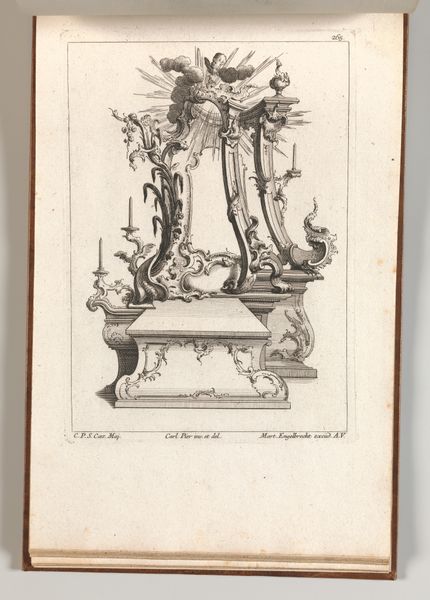
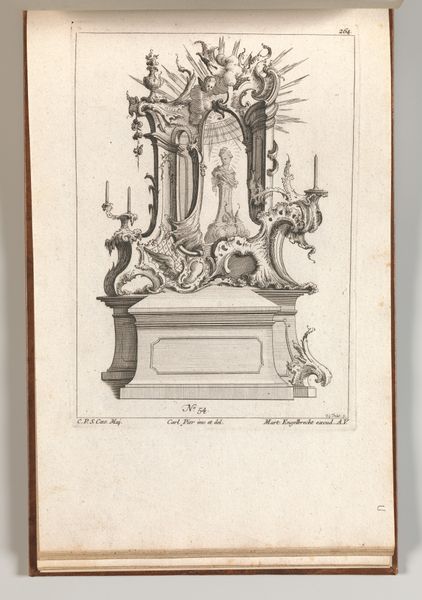
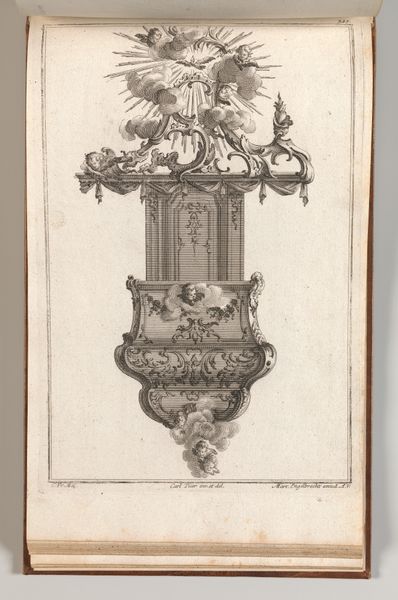
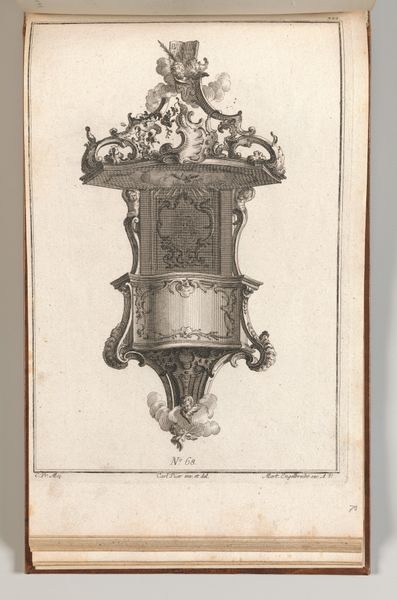
Franz Xavier Habermann made this design for a tabernacle in the 18th century. At its heart lies the tabernacle itself, a sacred space often adorned with elaborate ornamentation, signifying a place of reverence. Notice the swirling, organic motifs. These recall the acanthus leaves of classical antiquity, symbols of rebirth and growth. Consider how these same motifs were reborn during the Renaissance and Baroque periods, and how they continue to find new expression in architecture and design. The arch is another recurring element, framing the sacred space. From ancient Roman triumphal arches to the grand cathedrals of the Middle Ages, arches have symbolized power, passage, and divine presence. These visual cues trigger a collective memory, engaging us on a subconscious level. It is fascinating how these symbols progress non-linearly, resurfacing, evolving, and taking on new meanings in different historical contexts. They are visual echoes that resonate through time.