About this artwork
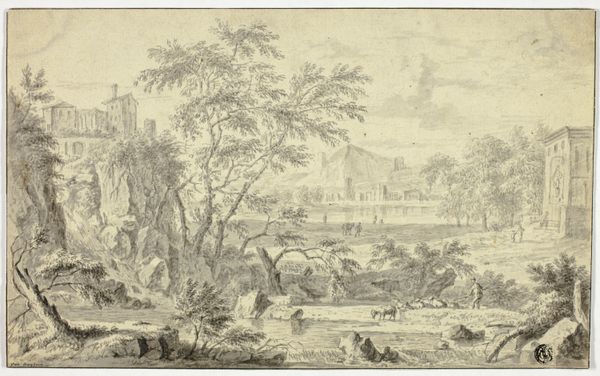
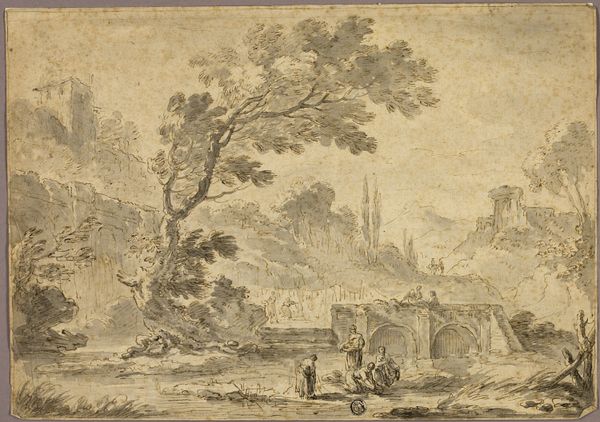
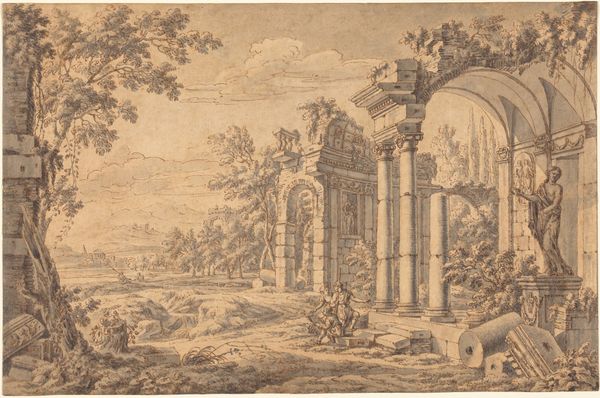
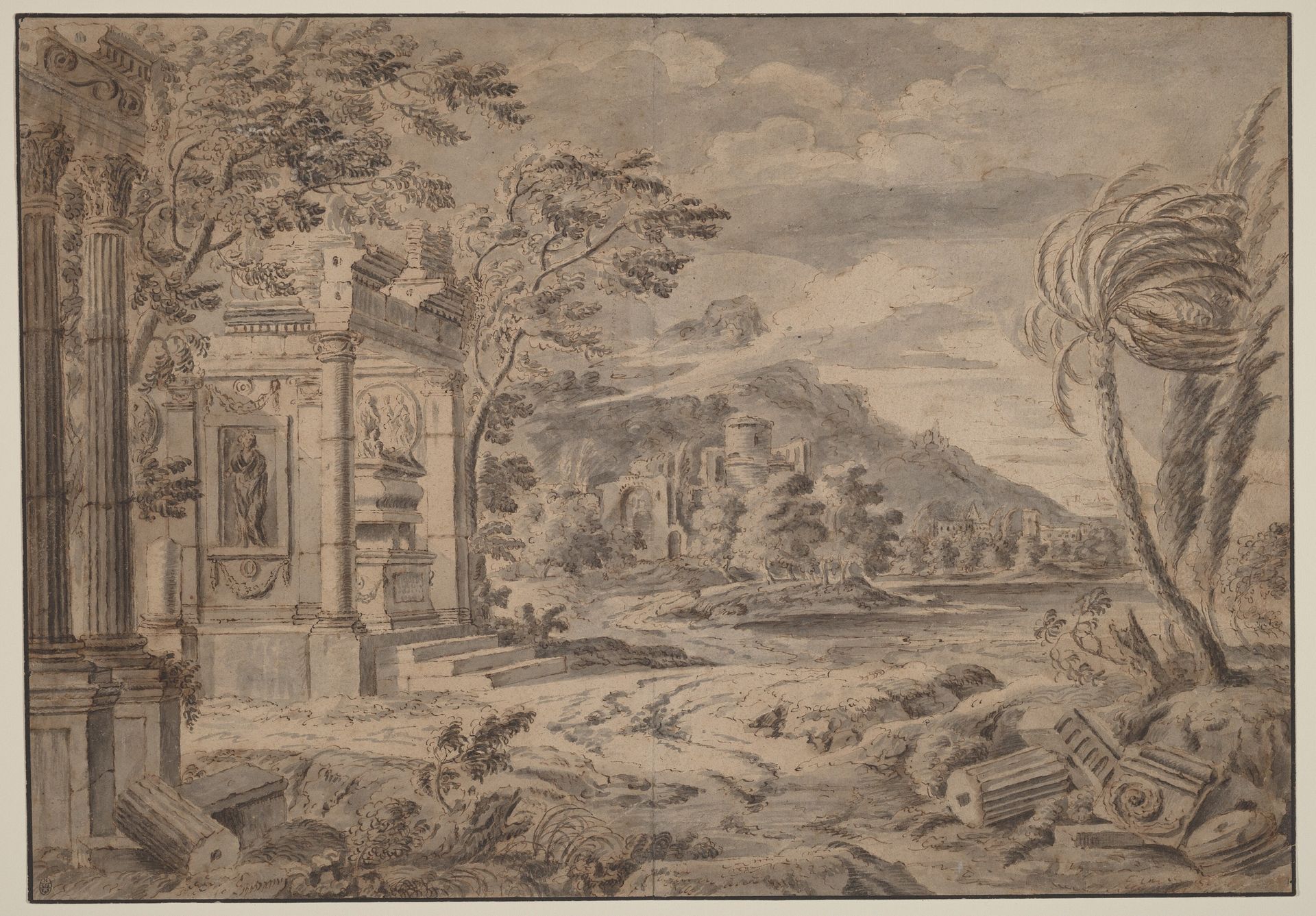
Johann Franciscus Ermels created this drawing of antique ruins along a mountain coast using pen and brown ink with gray wash. Ermels made this drawing during a period of European fascination with classical antiquity. The ruins depicted invite contemplation on the ephemeral nature of power and civilizations. The image suggests a dialogue between the grandeur of the past and the humbling force of nature. Notice how the landscape and architectural elements blend, creating a sense of melancholy. What does it mean to see remnants of past empires overtaken by nature? What emotional response does this provoke? While drawing inspiration from historical and mythological themes, artists like Ermels often used these themes to explore contemporary ideas about identity, morality, and the relationship between humanity and the natural world. Consider how this work reflects a broader cultural interest in ruins. It evokes reflections on time, memory, and the transience of human achievements.
Antique Ruins along a Mountain Coast
c. 1670s


Artwork details
- Medium
- drawing, ink, charcoal
- Dimensions
- sheet: 27.5 x 39.2 cm (10 13/16 x 15 7/16 in.)
- Copyright
- National Gallery of Art: CC0 1.0
Tags
Comments
Share your thoughts
About this artwork
Johann Franciscus Ermels created this drawing of antique ruins along a mountain coast using pen and brown ink with gray wash. Ermels made this drawing during a period of European fascination with classical antiquity. The ruins depicted invite contemplation on the ephemeral nature of power and civilizations. The image suggests a dialogue between the grandeur of the past and the humbling force of nature. Notice how the landscape and architectural elements blend, creating a sense of melancholy. What does it mean to see remnants of past empires overtaken by nature? What emotional response does this provoke? While drawing inspiration from historical and mythological themes, artists like Ermels often used these themes to explore contemporary ideas about identity, morality, and the relationship between humanity and the natural world. Consider how this work reflects a broader cultural interest in ruins. It evokes reflections on time, memory, and the transience of human achievements.
Comments
Share your thoughts