About this artwork
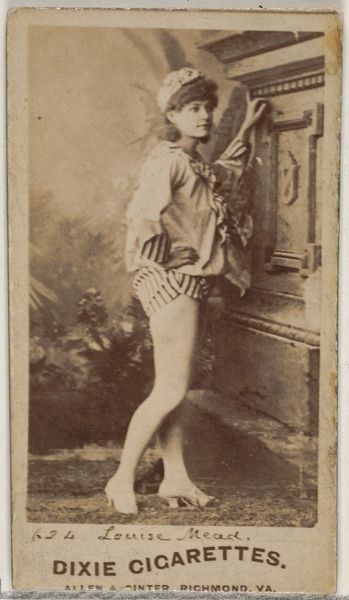
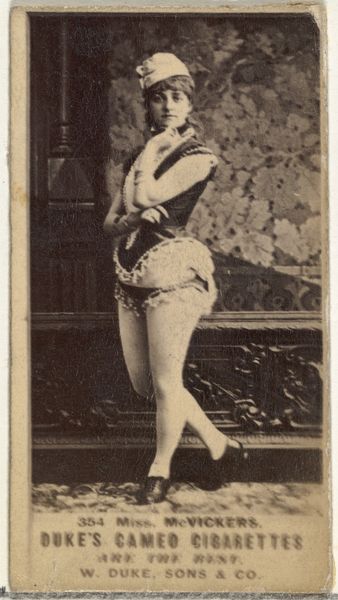
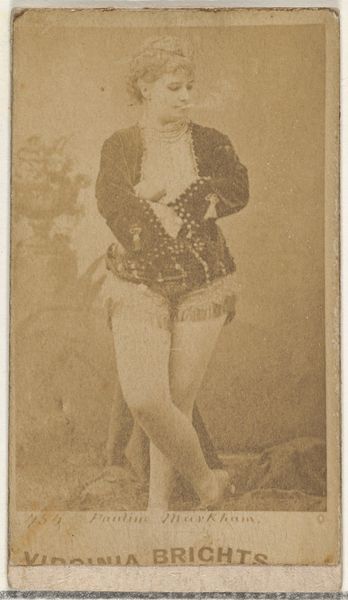
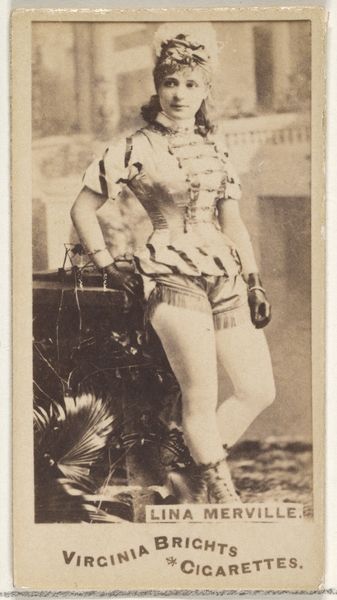
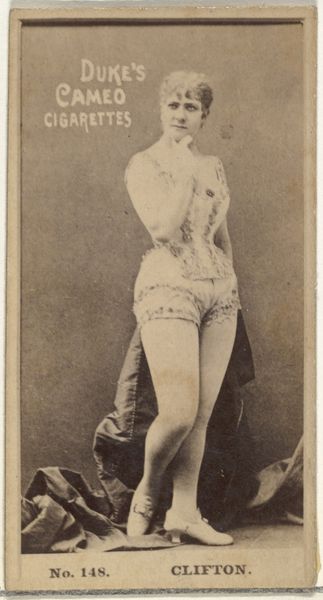
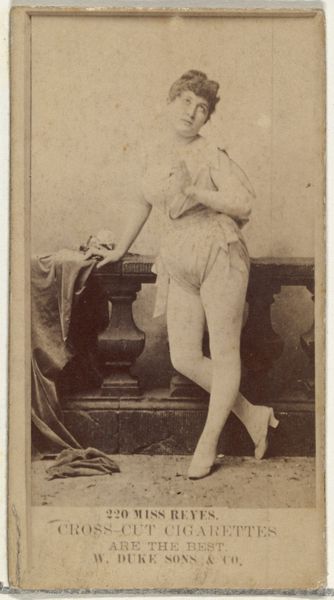
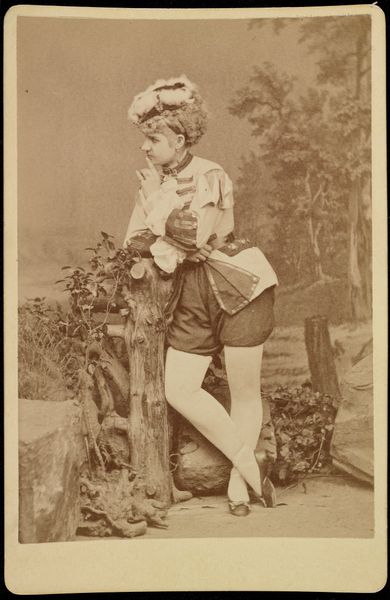
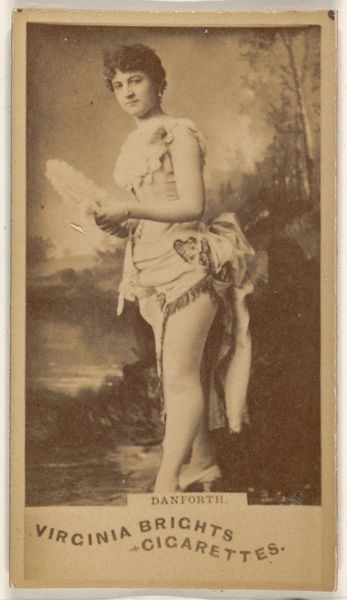
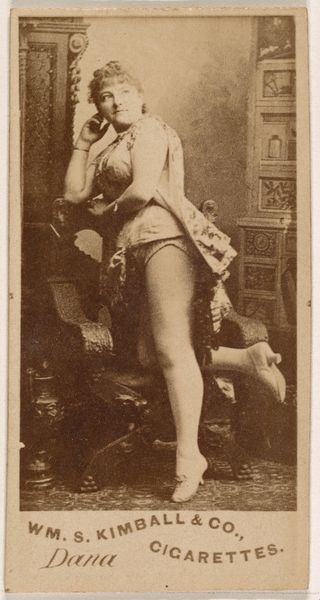
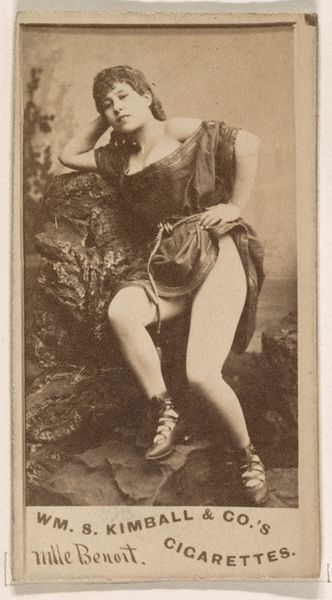
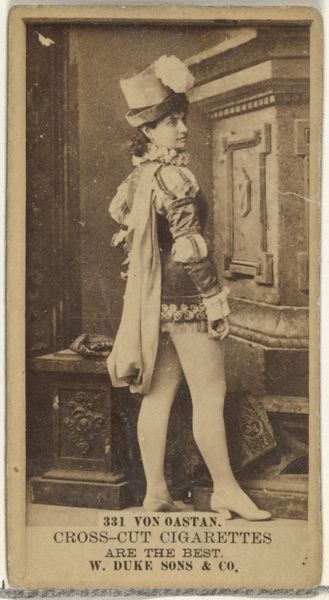
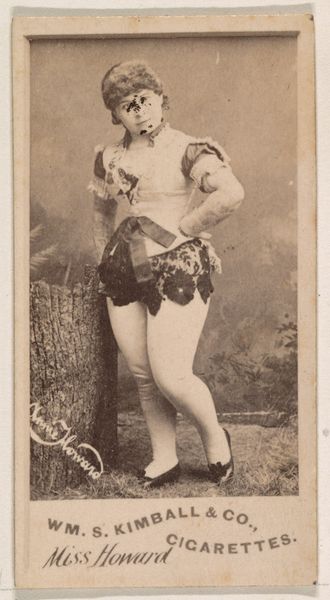
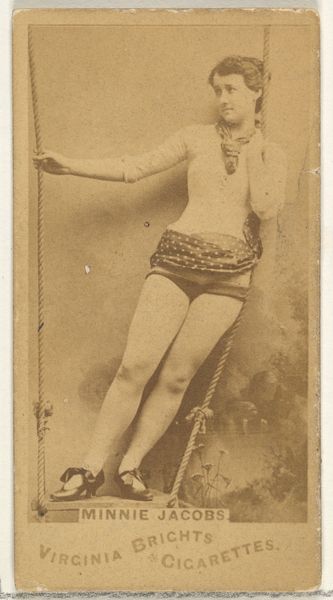
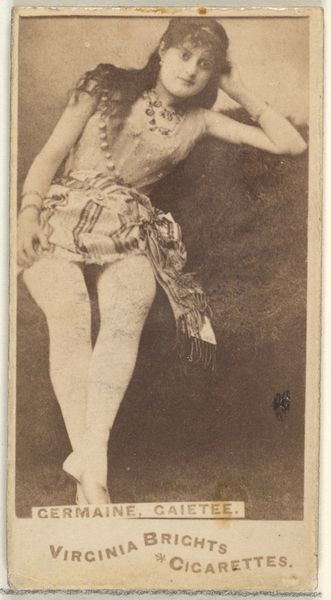
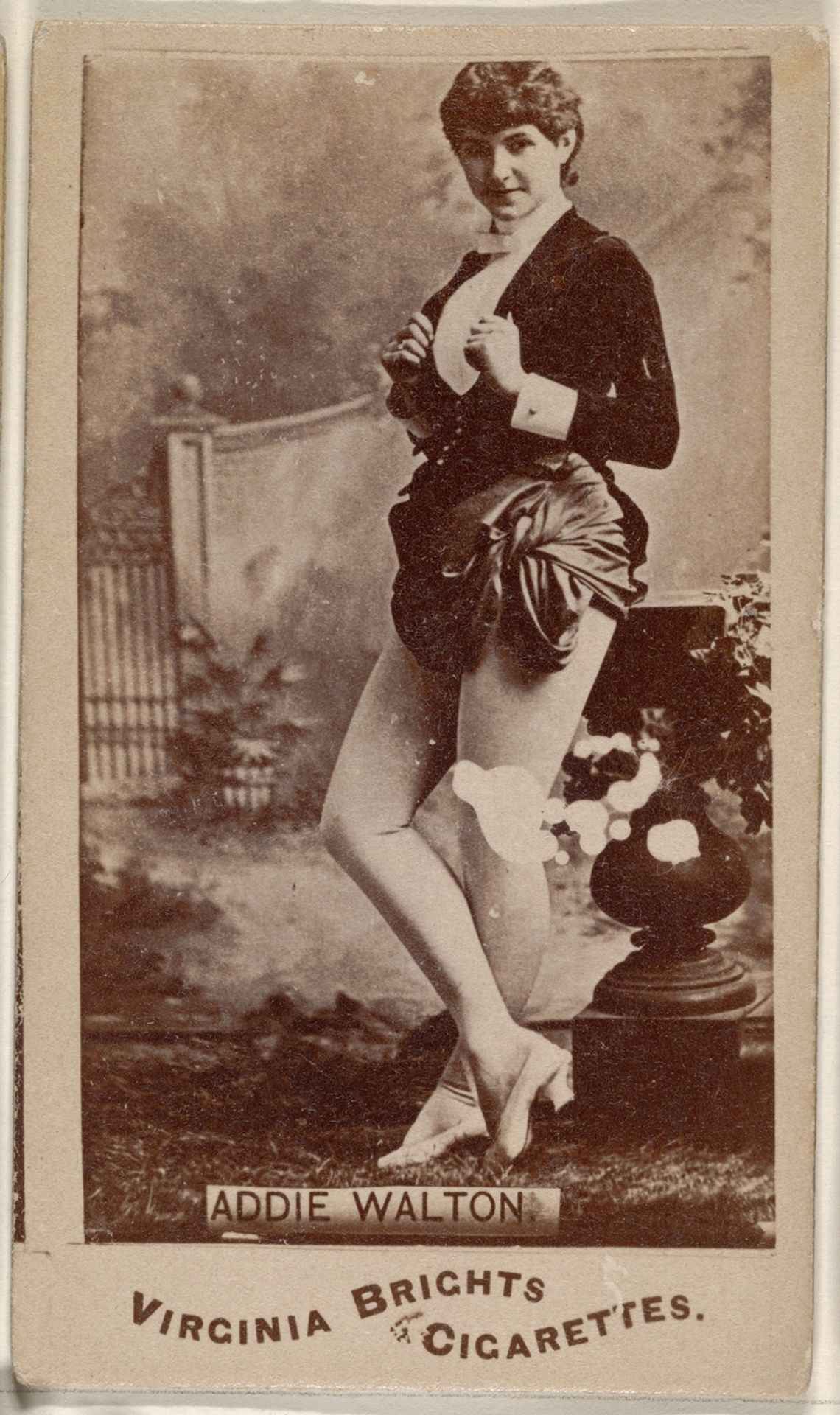
This small card, dating to the late 19th century, was made by Allen & Ginter to promote Virginia Brights Cigarettes. Using a photographic printing process, the image shows actress Addie Walton striking a pose. Consider how photography, originally a laborious process, had by this time become mechanized and integrated into consumer culture. Allen & Ginter mass-produced these cards, inserting them into cigarette packs as collectible items to encourage repeat purchases. The sepia tone and cardstock feel almost quaint today, but then, this was cutting-edge advertising. The image itself, while seemingly innocuous, reflects the commodification of celebrity and the use of female figures to sell products. The amount of labor involved in producing such a vast quantity of these cards is staggering, and speaks volumes about the rise of consumer capitalism at the time. Looking at this card, we can see how it blurs the line between art, advertising, and social history, prompting us to consider the materials, making, and context that gives an object its full meaning.
Addie Walton, from the Actors and Actresses series (N45, Type 1) for Virginia Brights Cigarettes
1885 - 1891


Artwork details
- Medium
- print, photography
- Dimensions
- Sheet: 2 3/4 x 1 3/8 in. (7 x 3.5 cm)
- Location
- Metropolitan Museum of Art, New York, NY
- Copyright
- Public Domain
Tags
Comments
Share your thoughts
About this artwork
This small card, dating to the late 19th century, was made by Allen & Ginter to promote Virginia Brights Cigarettes. Using a photographic printing process, the image shows actress Addie Walton striking a pose. Consider how photography, originally a laborious process, had by this time become mechanized and integrated into consumer culture. Allen & Ginter mass-produced these cards, inserting them into cigarette packs as collectible items to encourage repeat purchases. The sepia tone and cardstock feel almost quaint today, but then, this was cutting-edge advertising. The image itself, while seemingly innocuous, reflects the commodification of celebrity and the use of female figures to sell products. The amount of labor involved in producing such a vast quantity of these cards is staggering, and speaks volumes about the rise of consumer capitalism at the time. Looking at this card, we can see how it blurs the line between art, advertising, and social history, prompting us to consider the materials, making, and context that gives an object its full meaning.
Comments
Share your thoughts