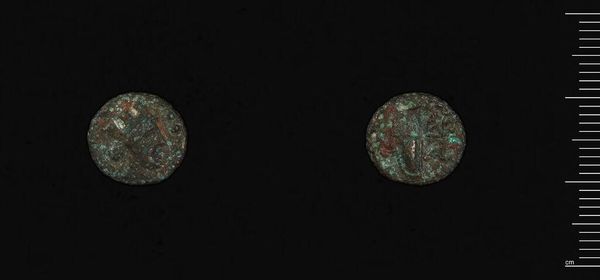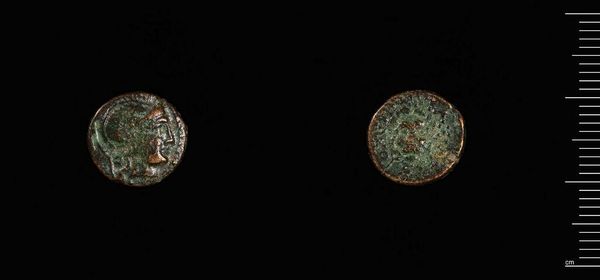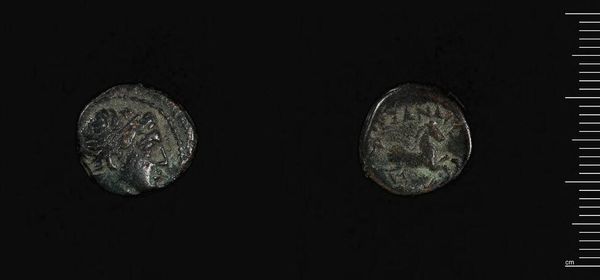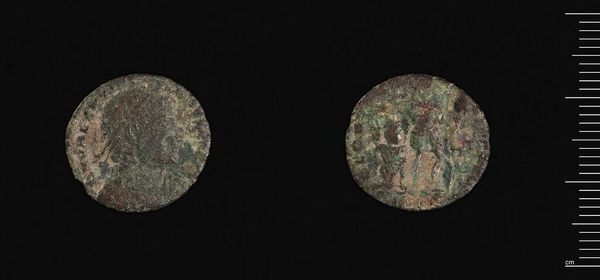
c. 3th century
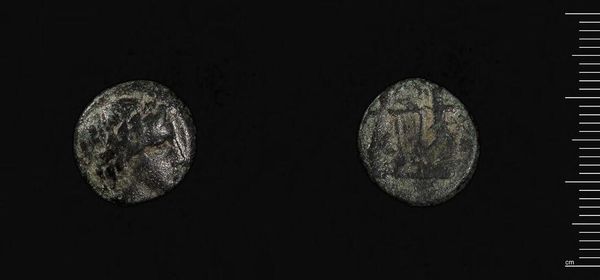
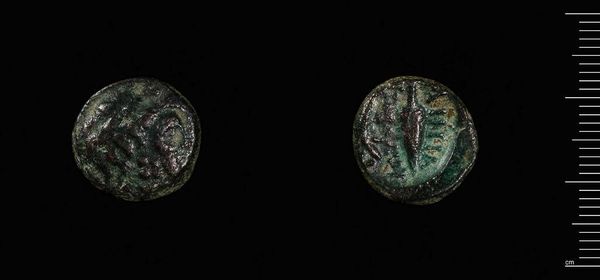
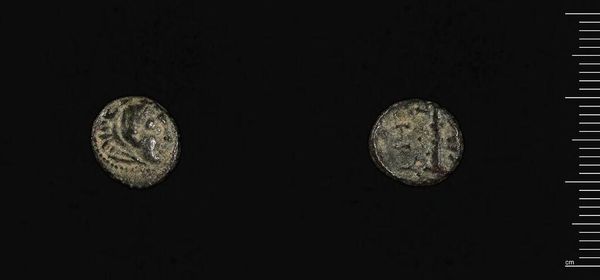
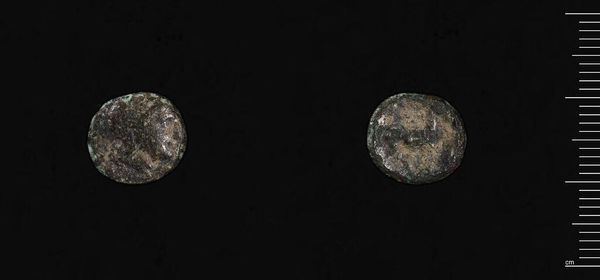
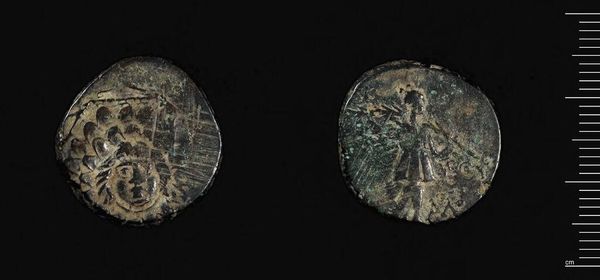
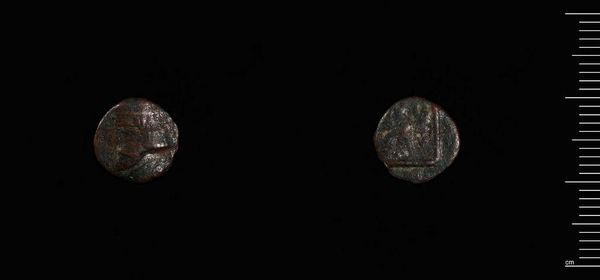
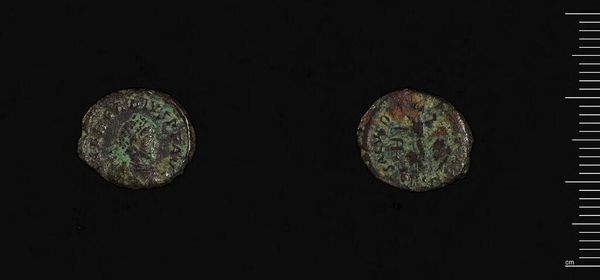
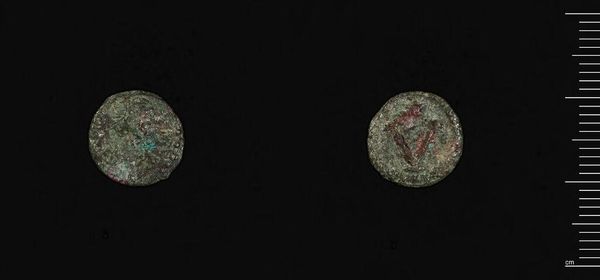
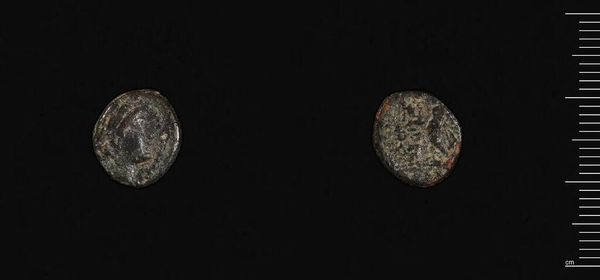
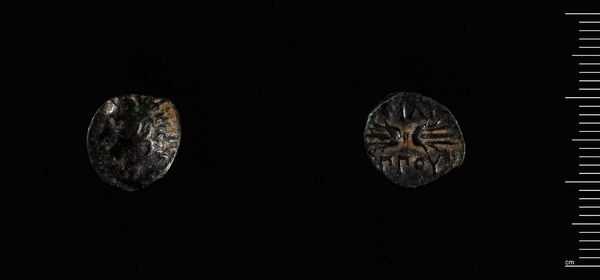
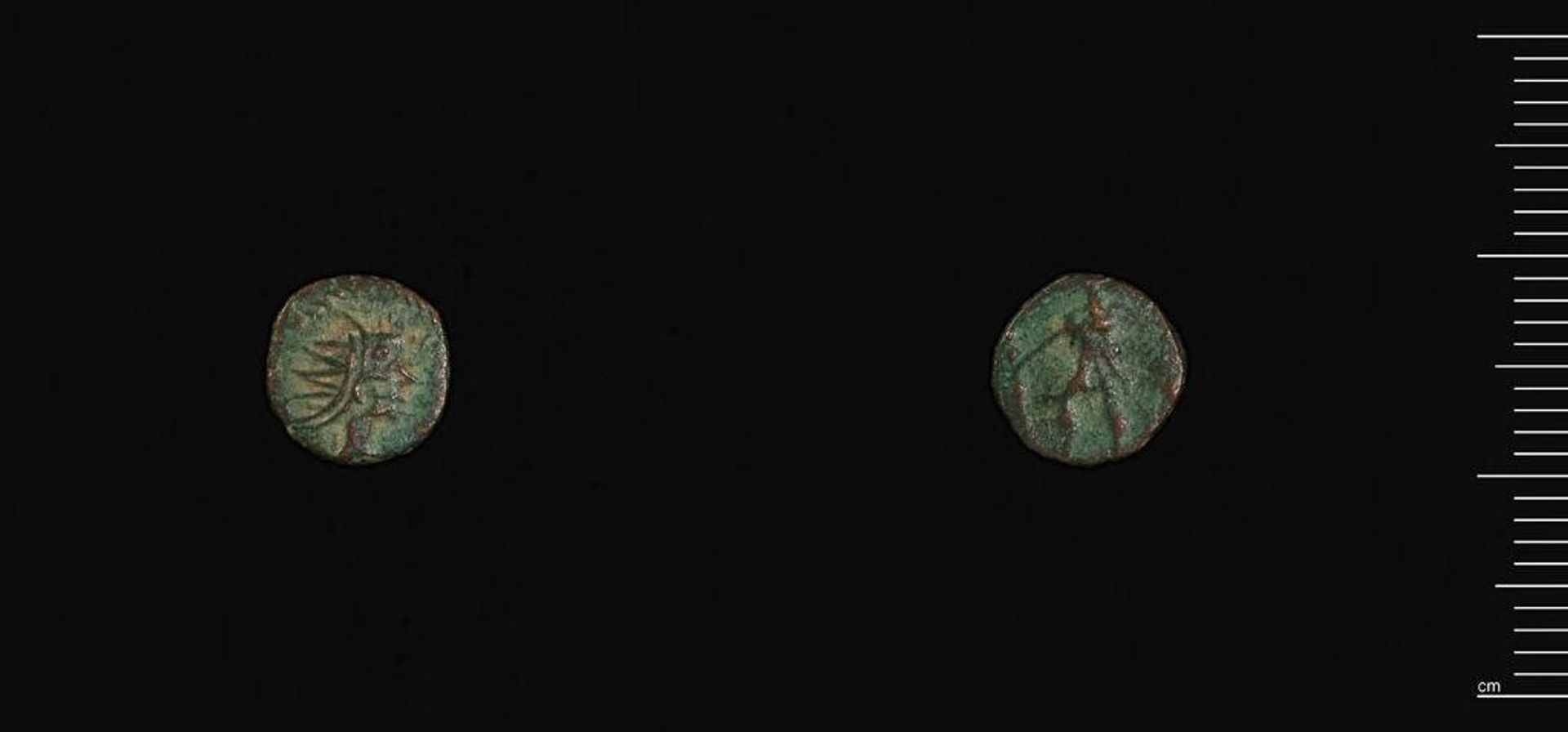
Antoninianus of Tetricus I, Barbarous Imitation

Listen to curator's interpretation
Curatorial notes
Curator: Here we have an Antoninianus of Tetricus I, described as a "barbarous imitation," currently residing in the Harvard Art Museums. Editor: The overwhelming sense is of decay, that verdigris green hinting at a story almost erased, a memory clinging to existence. Curator: Indeed. The term "barbarous imitation" speaks volumes about Roman perceptions of cultures beyond their immediate control. It's a loaded term that highlights Roman anxieties about their own power and the perceived threat of external influences. Editor: But isn't there a raw, rudimentary quality in its execution? The very crudeness of the lines gives it an undeniable power. Curator: Absolutely. It shows how cultural symbols and power can be re-appropriated and reinterpreted, even by those deemed "barbarous." It raises interesting questions about authenticity and cultural exchange. Editor: A fascinating microcosm of power dynamics, captured in a tiny, corroded coin. Curator: It is truly amazing how much one coin can tell us about shifting borders, cultural anxieties, and the fluidity of artistic expression.