c. 223
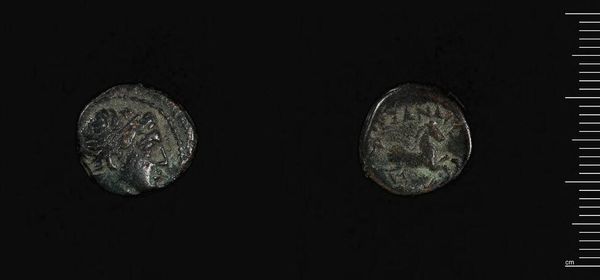
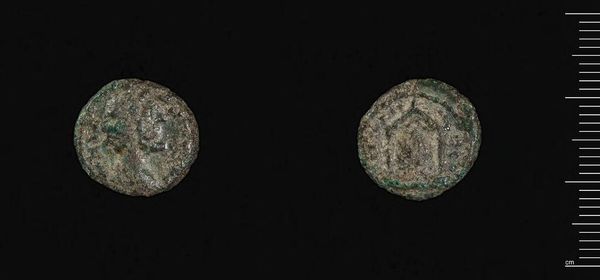
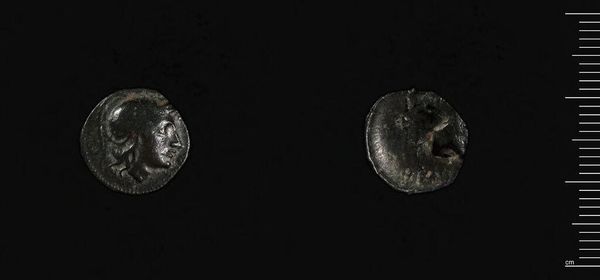
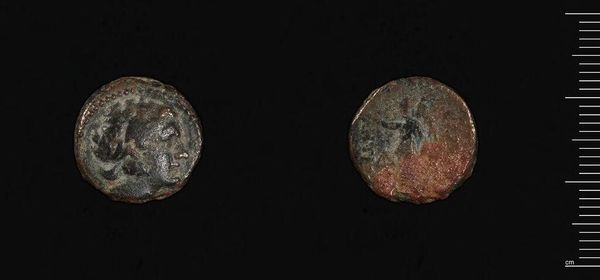
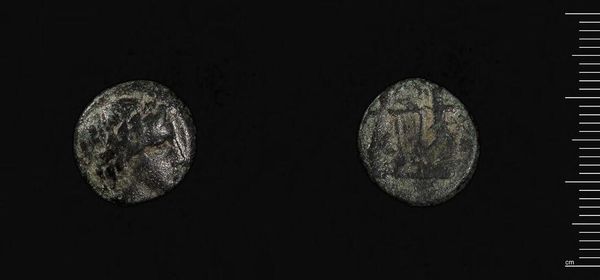
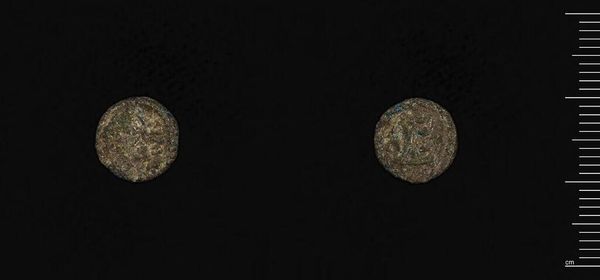
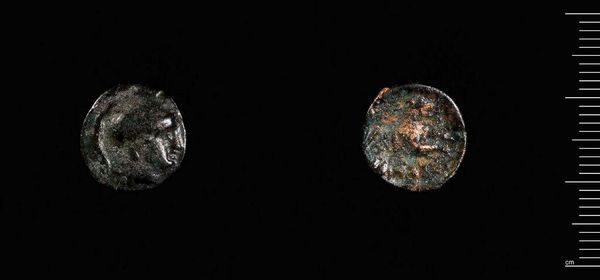
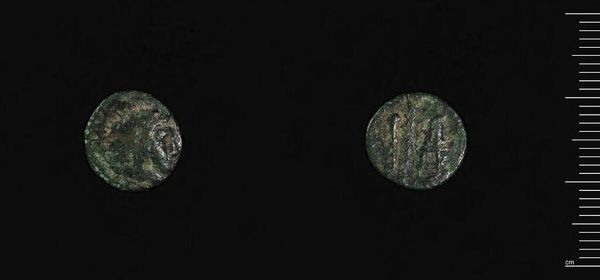
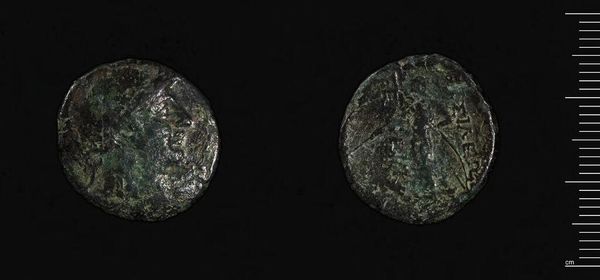
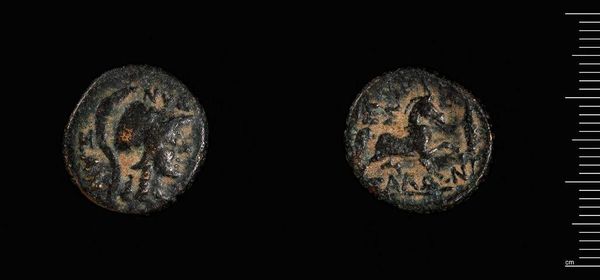
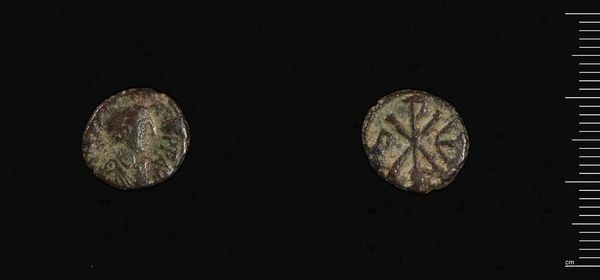
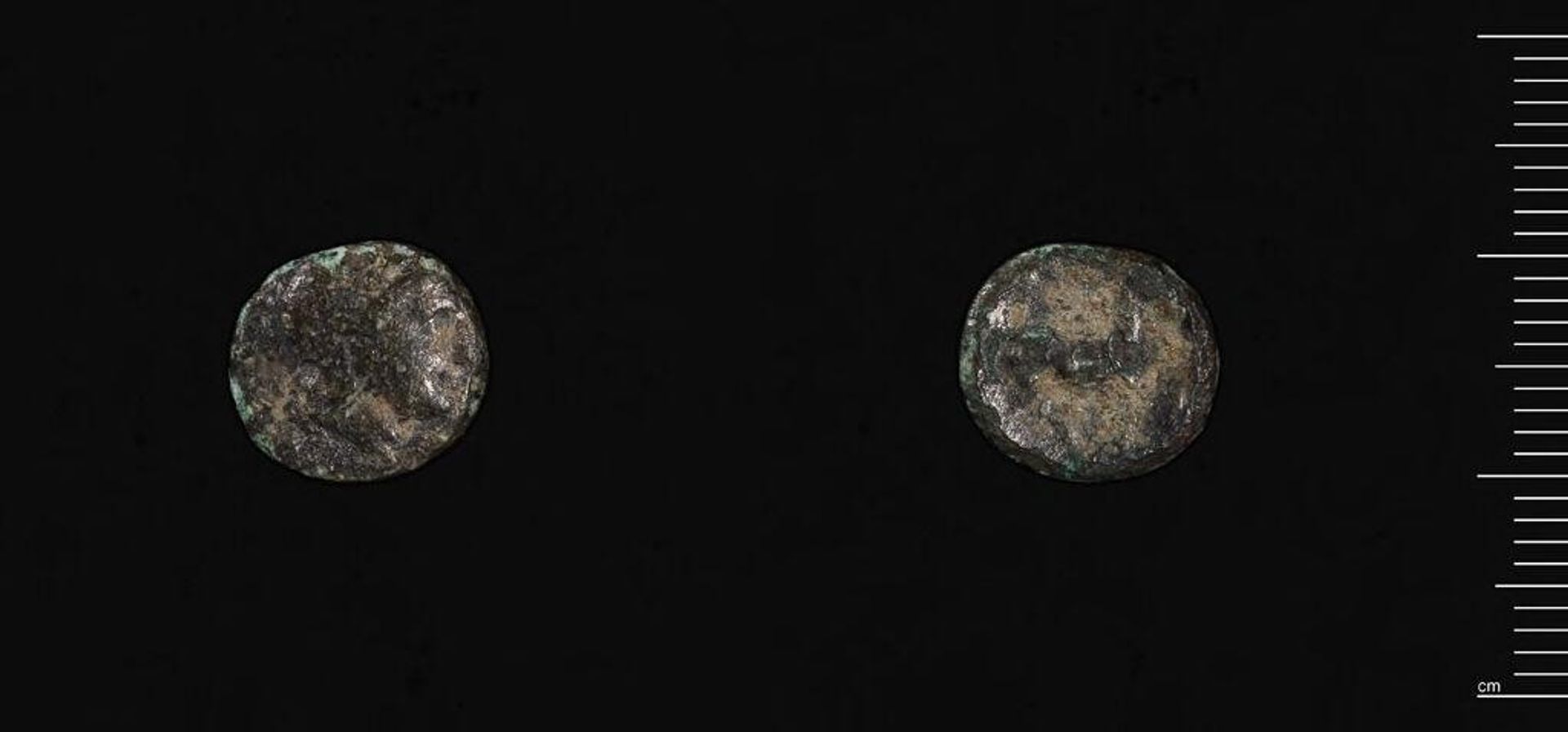
Coin of Antiochos III, the Great of Syria, Apamea

Listen to curator's interpretation
Curatorial notes
Curator: This coin of Antiochos III, the Great of Syria, from Apamea, strikes me immediately with its profound sense of age. Editor: Indeed. The worn surface tells a story. It's almost as if the material itself remembers the hands it passed through, the economies it fueled. Curator: Precisely. The embedded symbols, though faded, still evoke the power and authority Antiochos sought to project. The imagery is almost a cultural echo resonating through millennia. Editor: And let's consider the labor. Minting coins was a highly skilled craft. Each strike, each imprint, a testament to the artisan's hand and the economic machinery of the Seleucid empire. Curator: The portrait of Antiochos, however stylized, aimed to create a lasting impression of leadership and perhaps even divinity. It’s a form of early propaganda, influencing perceptions and solidifying his rule. Editor: Absolutely. But it's not just about grand pronouncements. These coins were essential for daily transactions, illustrating how even humble objects could convey ideology. What a fascinating glimpse into the labor and consumption within this historical context. Curator: Yes, the coin’s symbolic value transcends its monetary worth, whispering tales of empire, belief, and human ambition. Editor: And now, viewing it, I'm left pondering the lives it touched, the hands that made and spent it.