1712 - 1767
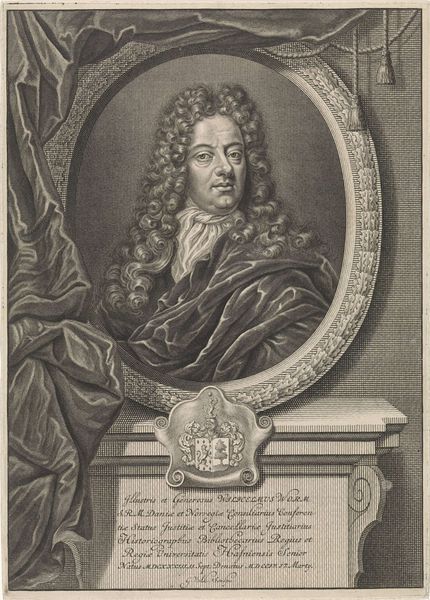
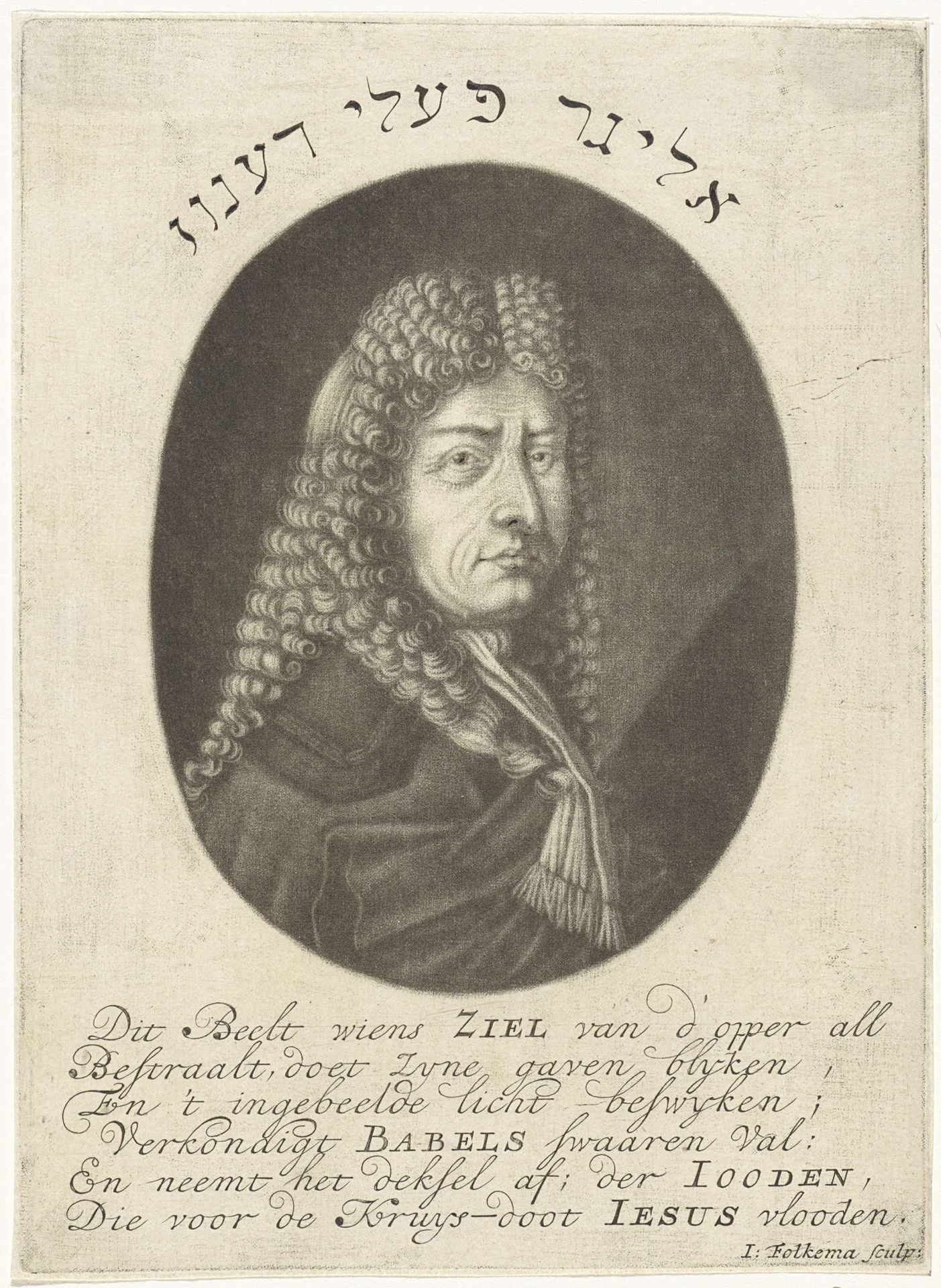
Portret van Oliger Paulli

Jacob Folkema
1692 - 1767Location
RijksmuseumListen to curator's interpretation
Curatorial notes
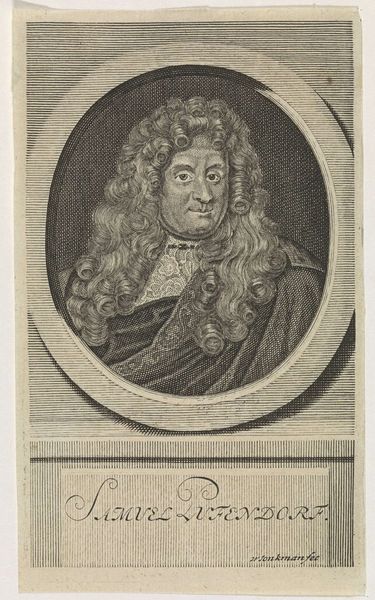
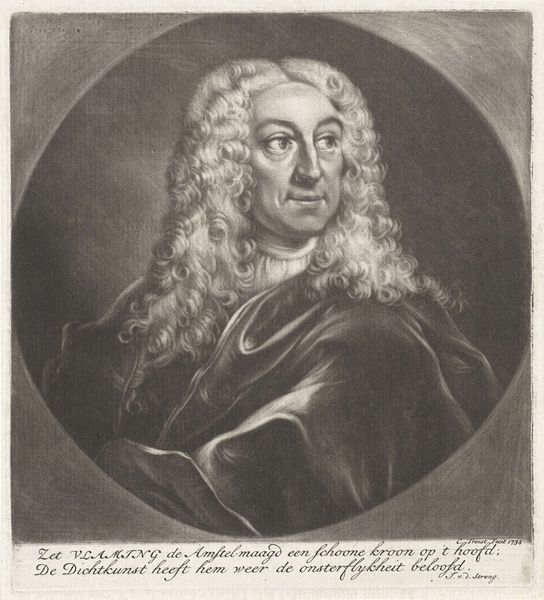
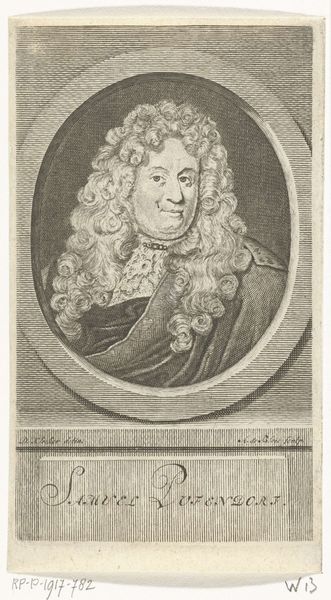
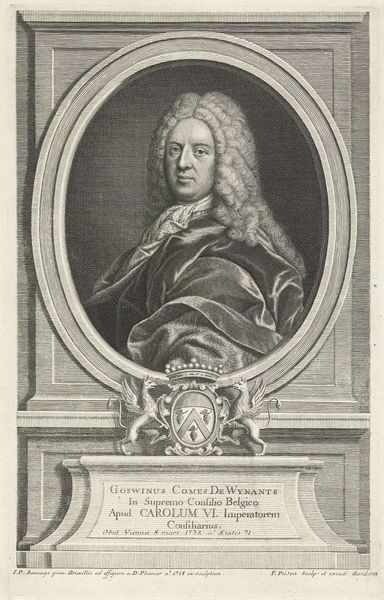
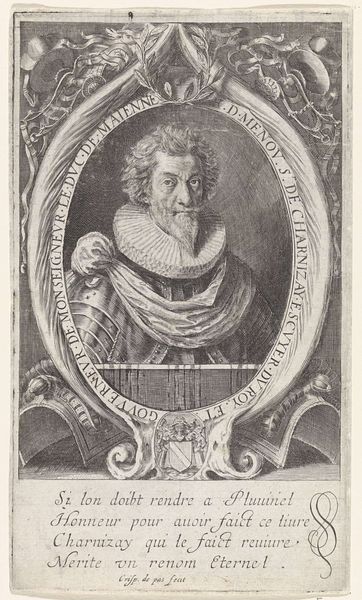
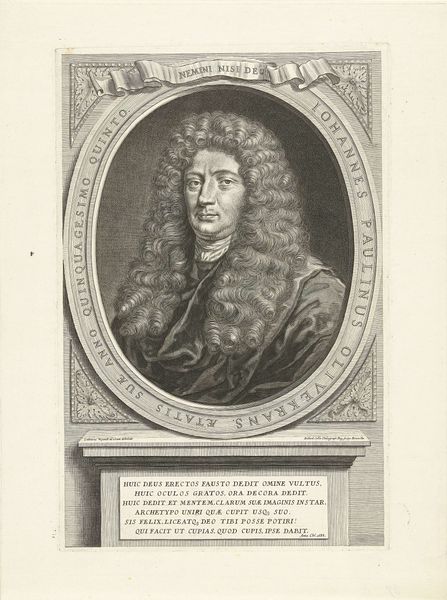
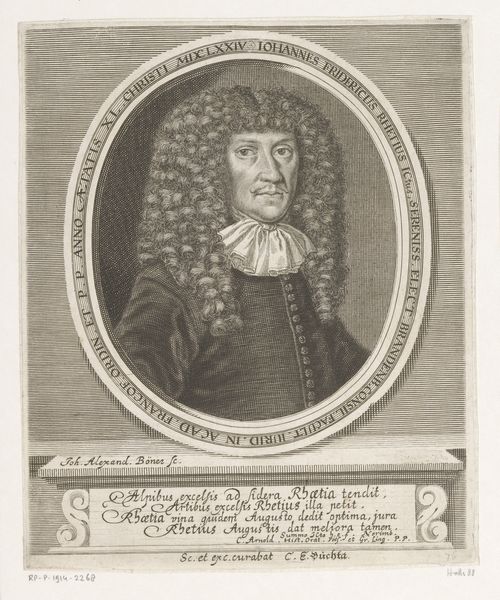
This is Jacob Folkema's "Portret van Oliger Paulli," made using engraving, a printmaking technique where lines are cut into a metal plate, which is then inked and pressed onto paper. Consider the labor involved: each line meticulously carved by hand, demanding incredible skill and precision. The density of these lines creates the illusion of light and shadow, defining the contours of Paulli's face and the elaborate wig that signifies his status. Engraving emerged during a period of expanding trade and urbanization, linking artistic production to broader economic shifts. Prints like this were not just artworks but commodities, reproduced and distributed widely. They served as a medium for disseminating knowledge, celebrating individual achievement, and solidifying social hierarchies. Folkema's engraving underscores how materials and making processes are deeply intertwined with social and cultural values, blurring the lines between art, craft, and commerce.