About this artwork
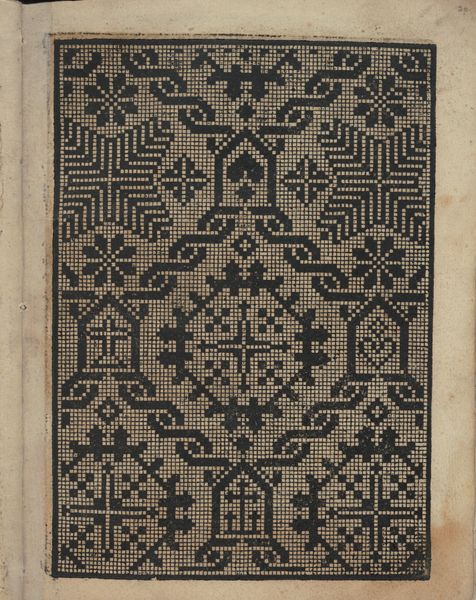
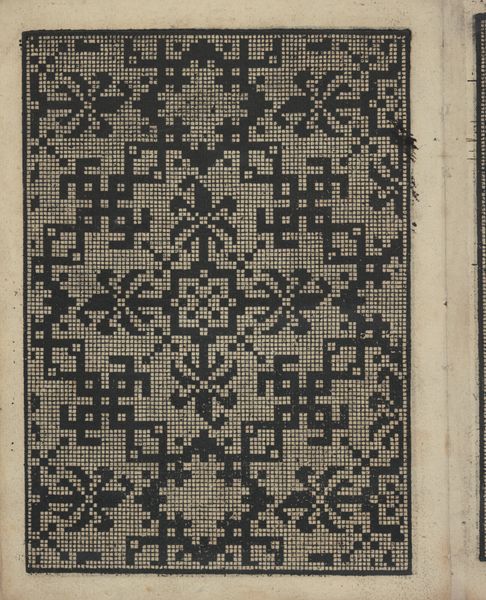
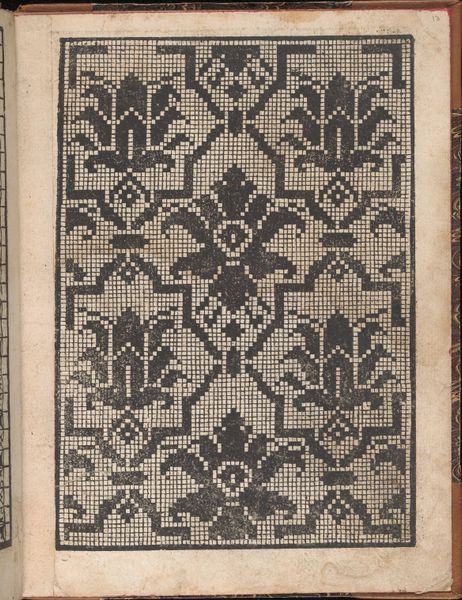
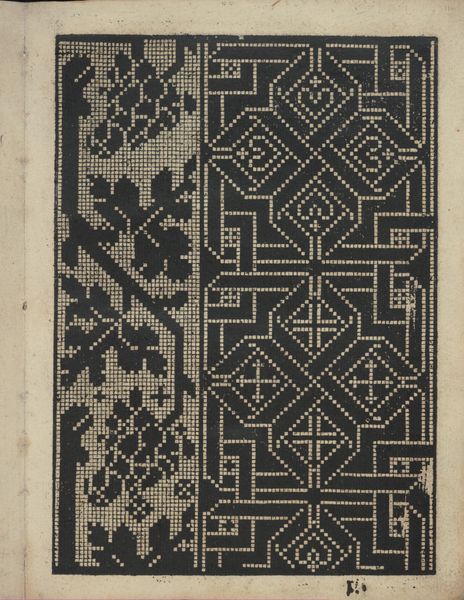
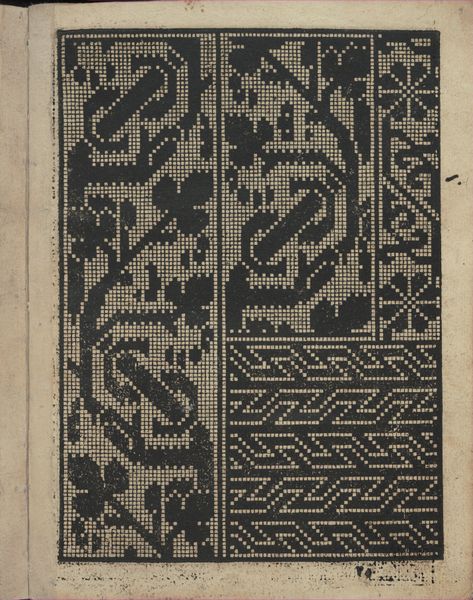
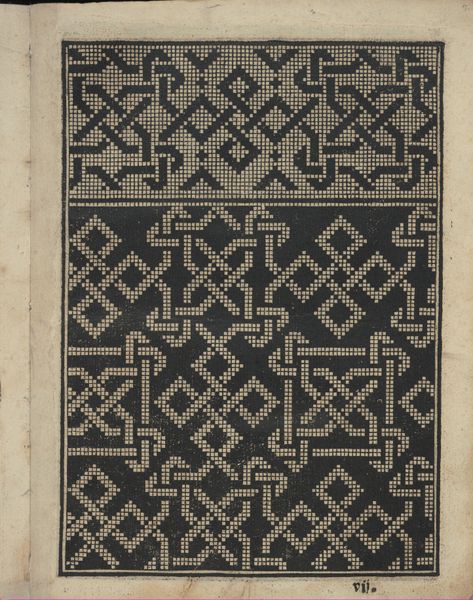
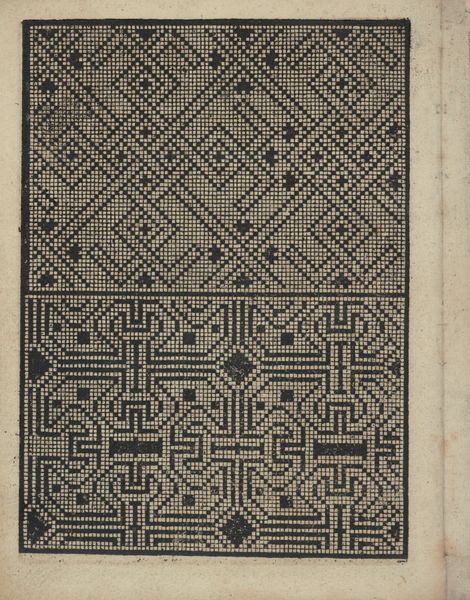
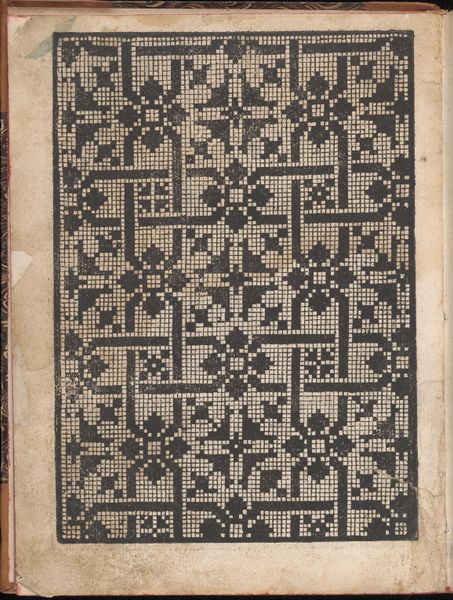
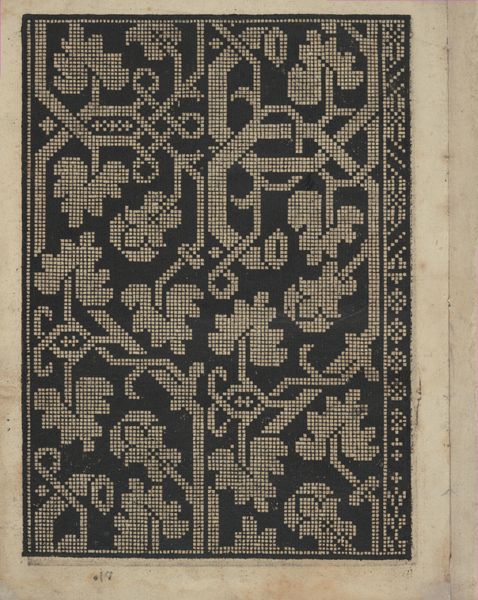
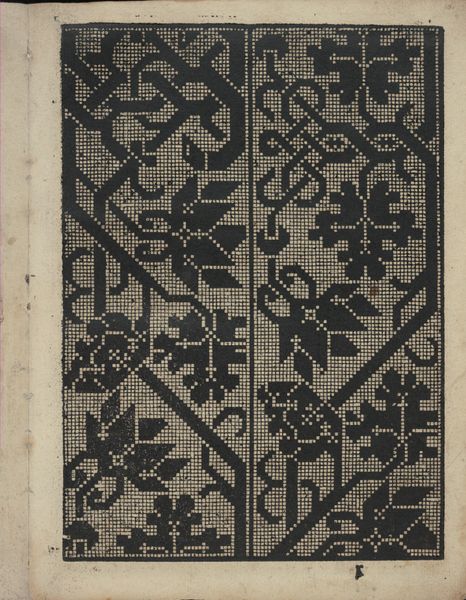
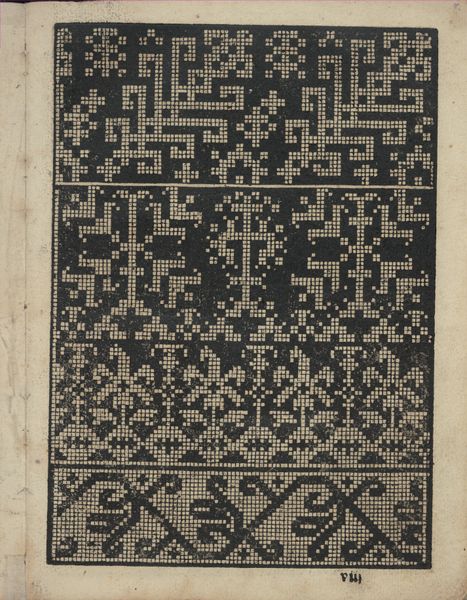
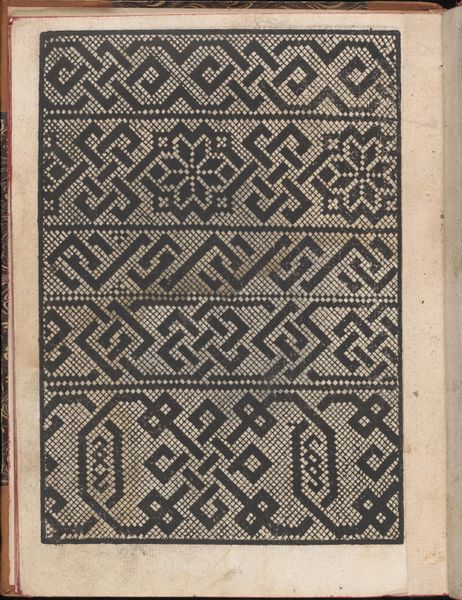
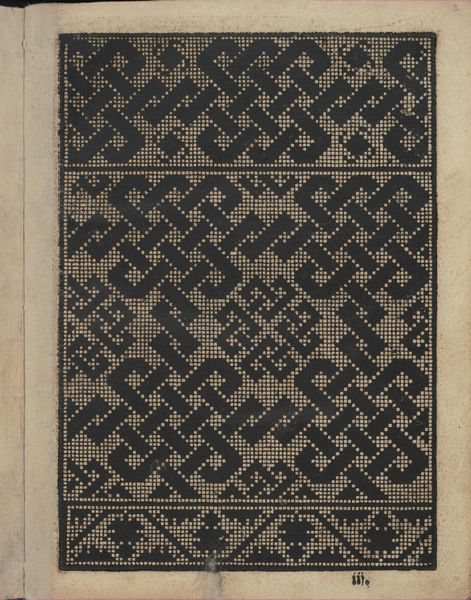
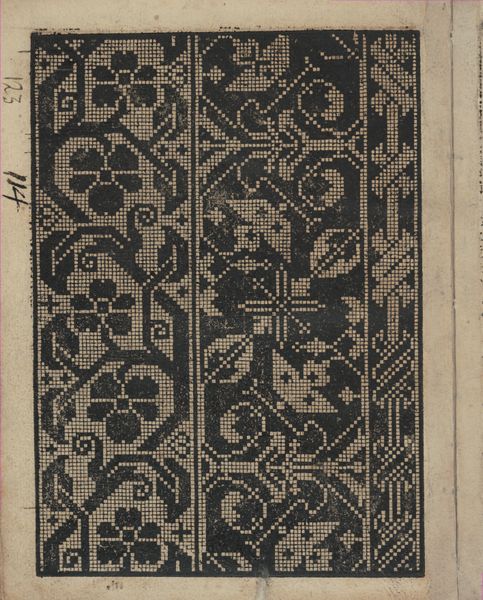
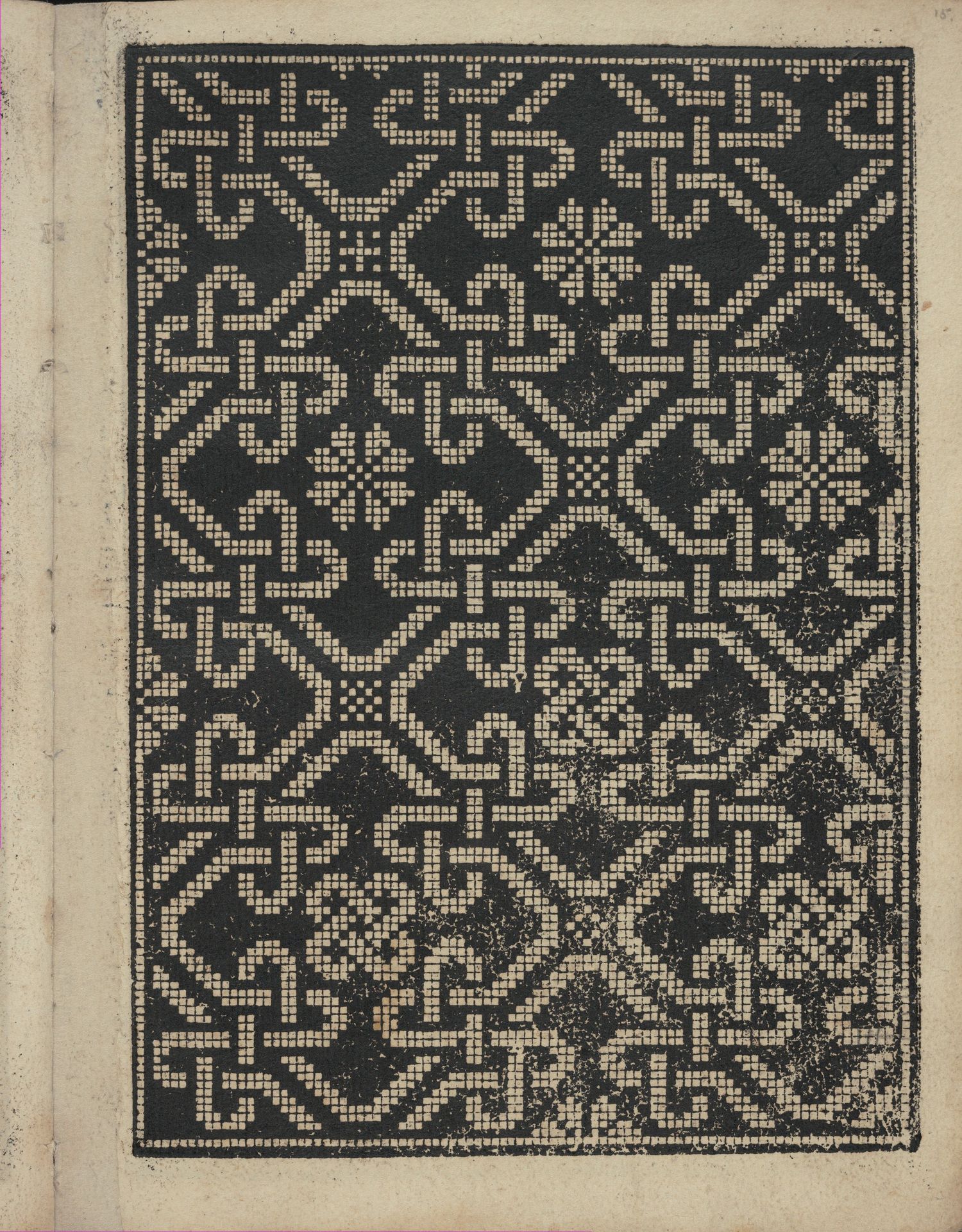
This is a page from "Libbretto nouellamete composto per maestro Domenico da Sera," a book created by Domenico da Sera in the 16th century as a guide for creating needlework patterns. The page is filled with geometric patterns, cruciform shapes, and knot-like interlacings. The cruciform motifs, deeply rooted in religious symbolism, were employed not merely as ornamentation but as potent symbols of faith. These very patterns, these interweavings, are not unique to the Renaissance. They echo through the ancient world. We see versions of them in Celtic knotwork, and even further back, in early Byzantine mosaics. The emotional power of symmetry and repetition is deeply ingrained in our subconscious. The balanced designs evoke a sense of order and harmony, tapping into a primal need for stability. Yet, within this order, the subtle variations hint at the dynamism of life itself. As we observe these motifs, we are reminded that these cultural symbols have a non-linear progression through time, transcending geographical and cultural boundaries and reappearing in various forms, charged with new meanings.
Libbretto nouellamete composto per maestro Domenico da Sera...lauorare di ogni sorte di punti, page 15 (recto)
1532


Artwork details
- Medium
- drawing, graphic-art, ornament, print
- Dimensions
- Overall: 8 1/16 x 6 5/16 in. (20.5 x 16 cm)
- Location
- Metropolitan Museum of Art, New York, NY
- Copyright
- Public Domain
Tags
Comments
Share your thoughts
About this artwork
This is a page from "Libbretto nouellamete composto per maestro Domenico da Sera," a book created by Domenico da Sera in the 16th century as a guide for creating needlework patterns. The page is filled with geometric patterns, cruciform shapes, and knot-like interlacings. The cruciform motifs, deeply rooted in religious symbolism, were employed not merely as ornamentation but as potent symbols of faith. These very patterns, these interweavings, are not unique to the Renaissance. They echo through the ancient world. We see versions of them in Celtic knotwork, and even further back, in early Byzantine mosaics. The emotional power of symmetry and repetition is deeply ingrained in our subconscious. The balanced designs evoke a sense of order and harmony, tapping into a primal need for stability. Yet, within this order, the subtle variations hint at the dynamism of life itself. As we observe these motifs, we are reminded that these cultural symbols have a non-linear progression through time, transcending geographical and cultural boundaries and reappearing in various forms, charged with new meanings.
Comments
Share your thoughts