c. 1929
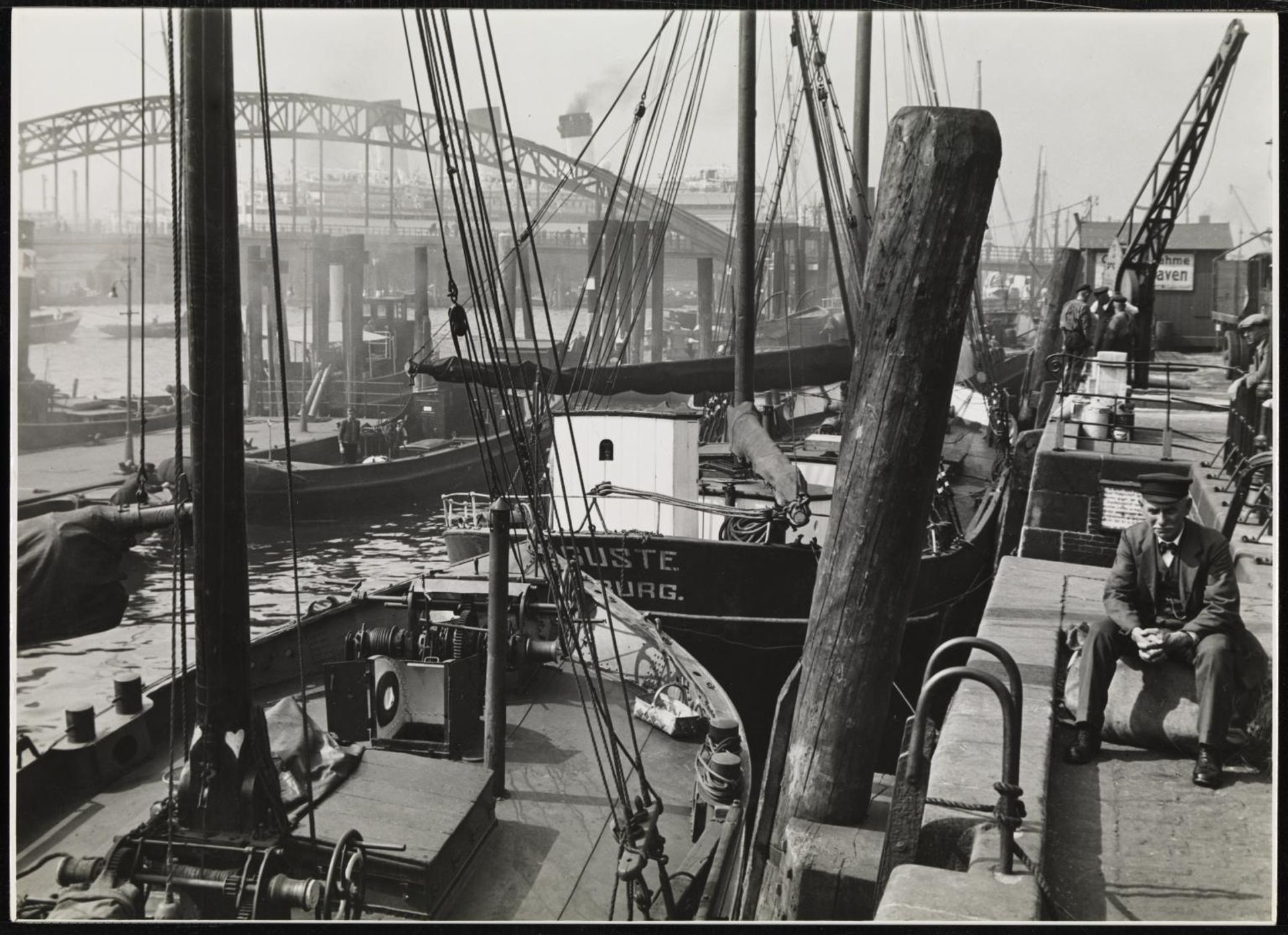
Hamburg, Port


Listen to curator's interpretation
Curatorial notes
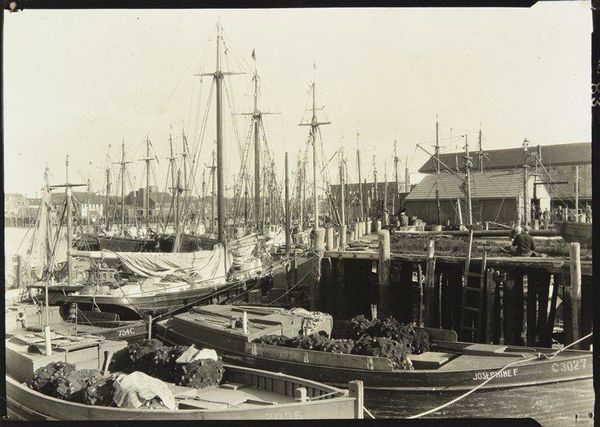
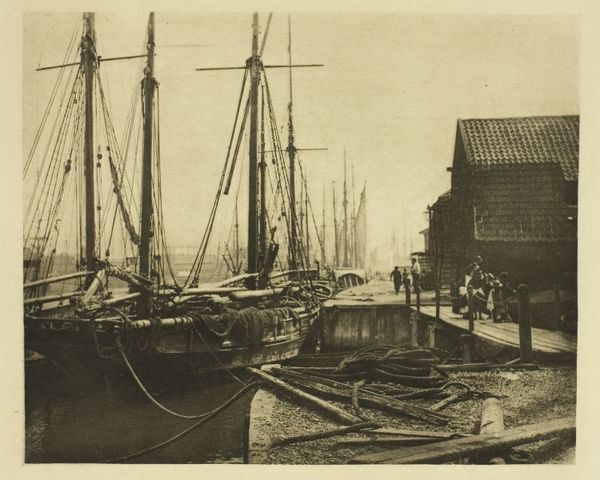
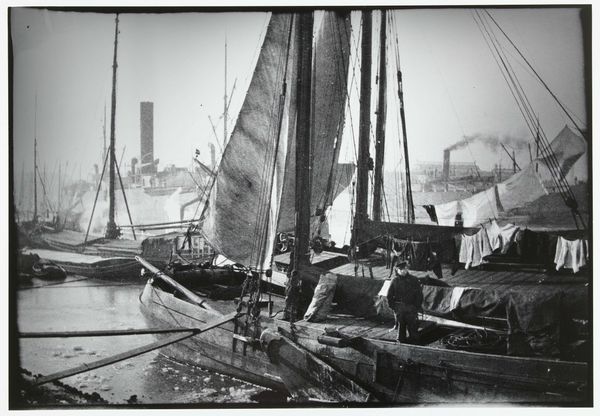
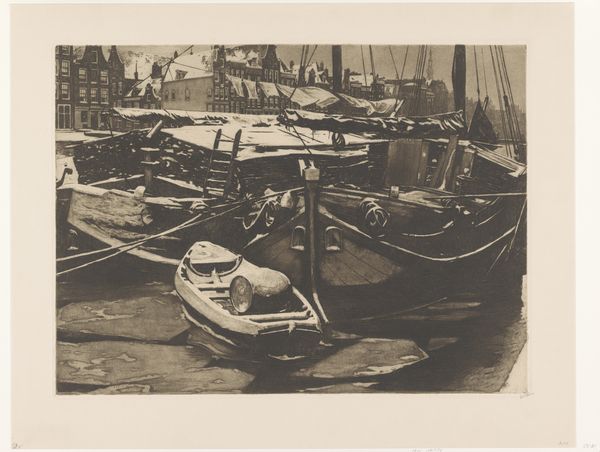
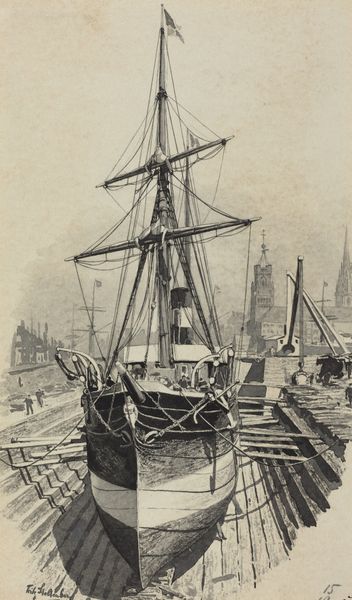
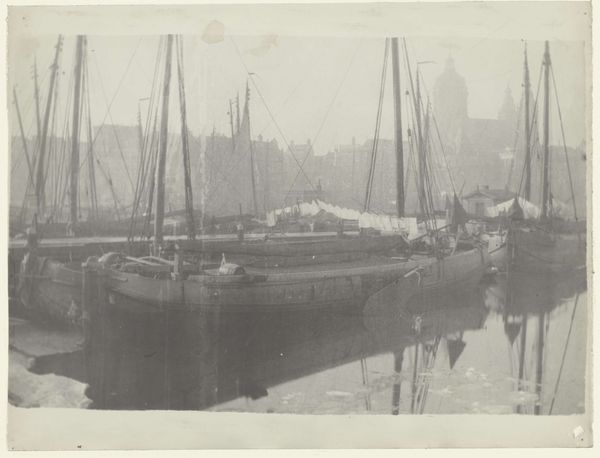
Curator: Immediately, I'm struck by the density and the starkness of it all, a forest of masts and cables rendered in monochrome. Editor: Here we have Albert Renger-Patzsch's "Hamburg, Port," a photograph from the early 20th century, held in the Tate Collections. It captures the industrial heart of the city. Curator: The composition is quite powerful, with the bridge receding into the background and the textured wood post in the foreground creating depth. It also evokes a certain melancholy, an almost industrial-era dirge. Editor: Absolutely, and Renger-Patzsch's approach aligns with the New Objectivity movement, a response to the romanticism of earlier photography. This image emphasizes realism and the socio-economic conditions of the port workers. Curator: I see that, but the repetition of the vertical lines also establishes a visual rhythm, like a musical score almost. Editor: Indeed, Renger-Patzsch presents a portrait of labor and commerce, but the lack of human presence – save for the man sitting at the edge – speaks volumes about the dehumanizing effects of industrialization. Curator: A compelling, almost contradictory, set of ideas captured through form. Editor: Precisely, making this work an important document of its time.