About this artwork
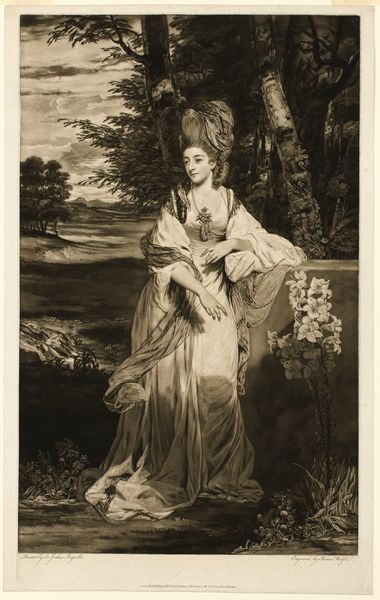
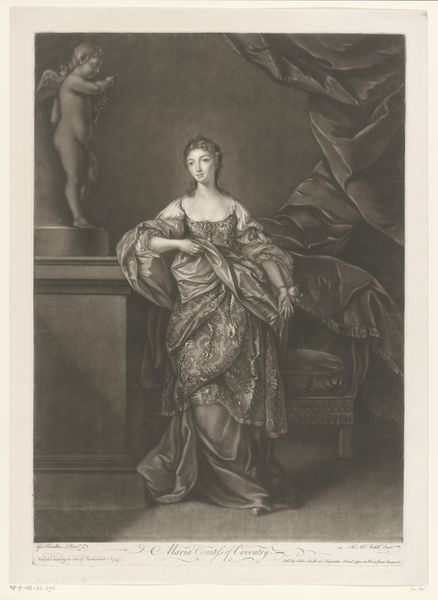
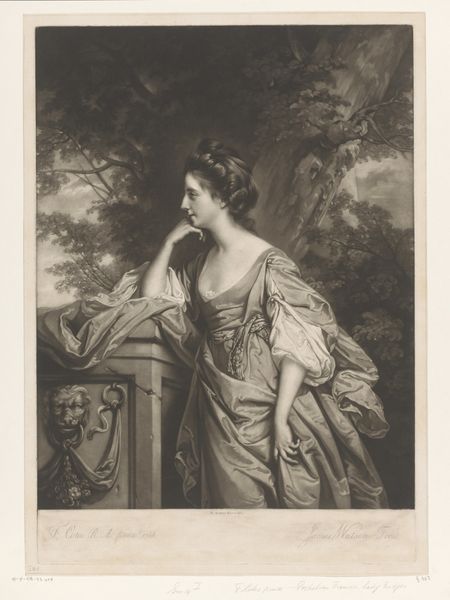
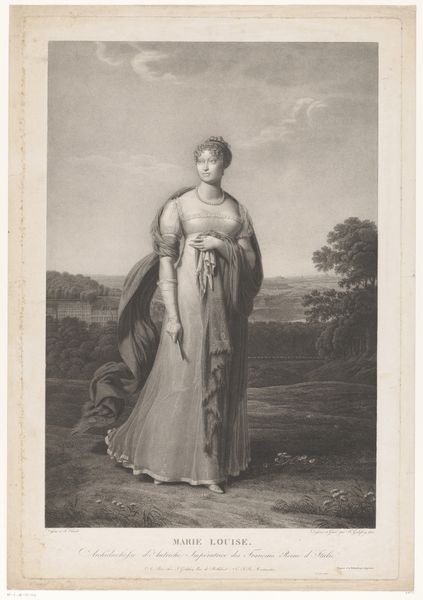
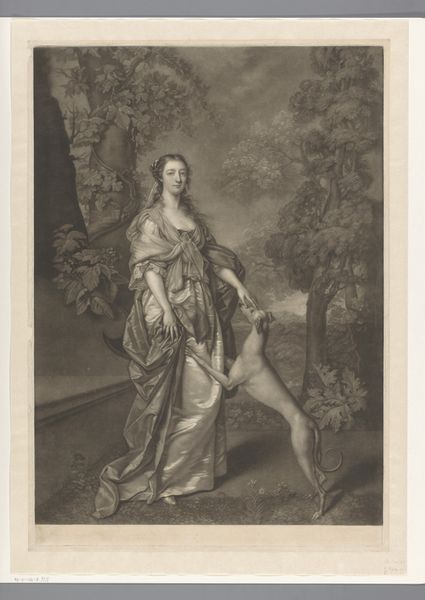
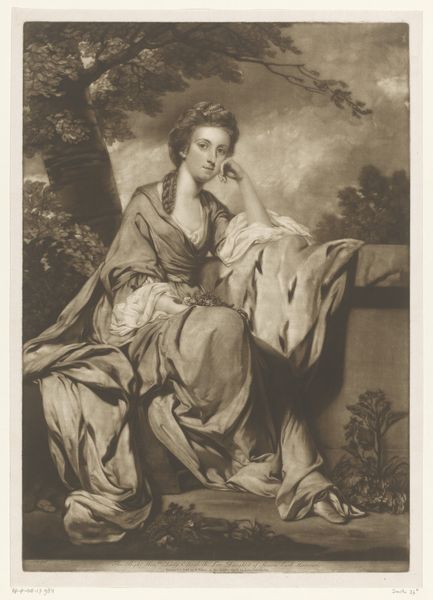
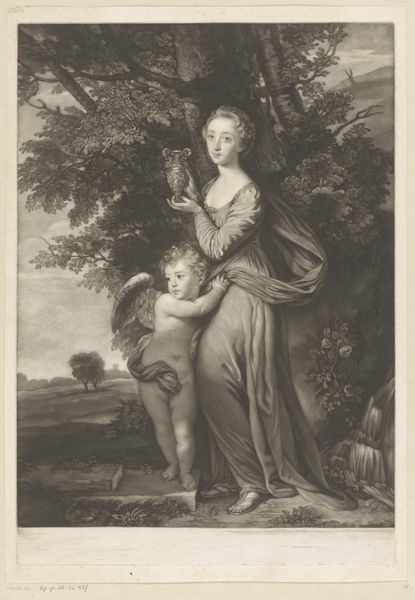
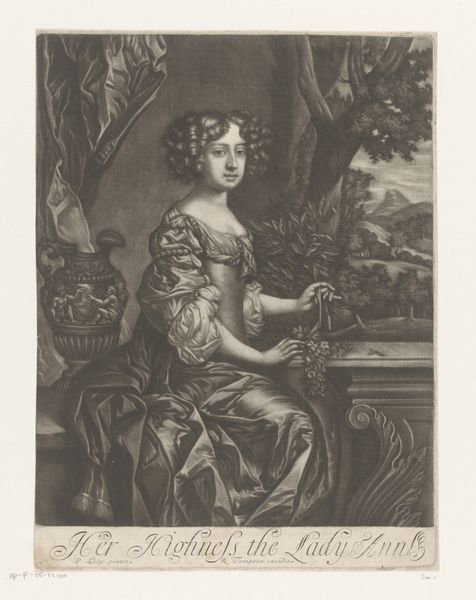
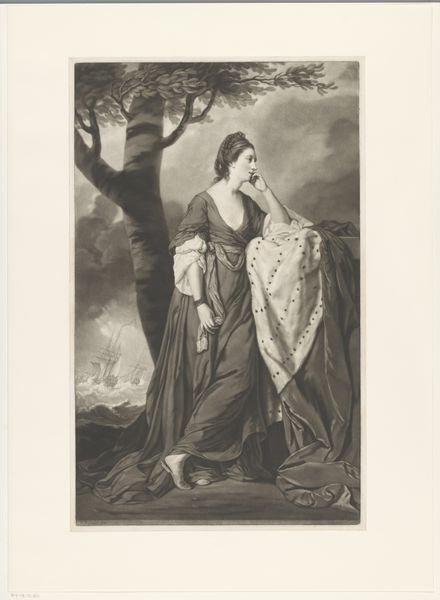
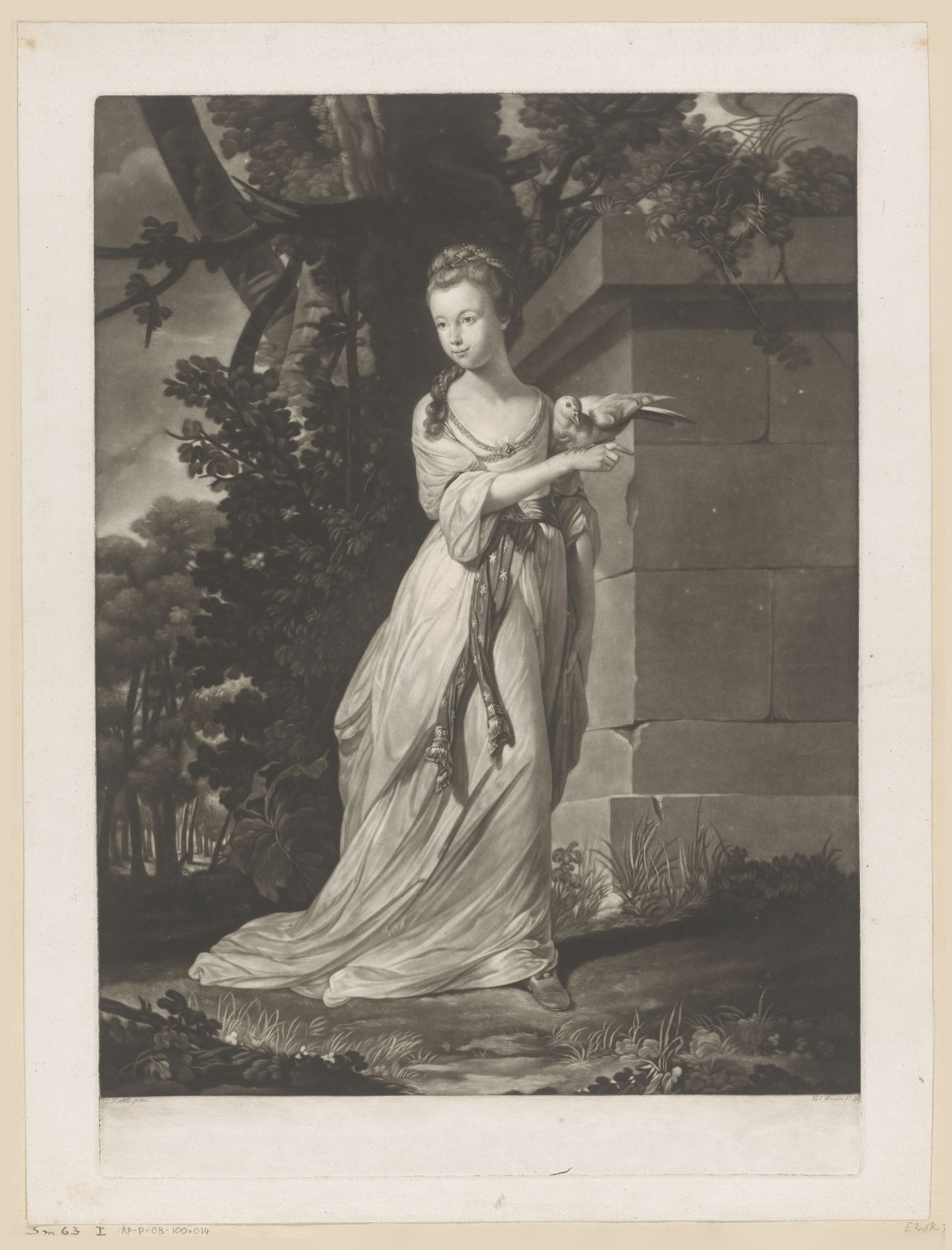
This mezzotint, "Portrait of Polly Harrison with a Dove in her Hand," was created by Valentine Green, a leading printmaker in 18th-century Britain. The image presents a young woman in an idealized, pastoral setting, holding a dove, a symbol often associated with peace and innocence. In Britain, this kind of imagery played a crucial role in shaping social ideals and norms. Aristocratic families often commissioned portraits that presented them as virtuous and refined. By controlling their public image, the elite reinforced their social standing and cultural authority. Mezzotints like this one, with their subtle gradations of tone, were prized for their ability to capture the textures and details of such paintings. Engravings such as this one circulated widely. Art historians study the distribution of such prints to understand the evolving tastes and values of the British middle and upper classes, and to explore the public role of art in shaping cultural identity.
Portret van Polly Harrison met een duif in de hand
after 1749

Valentine Green
1739 - 1813Location
RijksmuseumArtwork details
- Medium
- print, engraving
- Dimensions
- height 507 mm, width 355 mm
- Location
- Rijksmuseum
- Copyright
- Rijks Museum: Open Domain
Tags
Comments
Share your thoughts
About this artwork
This mezzotint, "Portrait of Polly Harrison with a Dove in her Hand," was created by Valentine Green, a leading printmaker in 18th-century Britain. The image presents a young woman in an idealized, pastoral setting, holding a dove, a symbol often associated with peace and innocence. In Britain, this kind of imagery played a crucial role in shaping social ideals and norms. Aristocratic families often commissioned portraits that presented them as virtuous and refined. By controlling their public image, the elite reinforced their social standing and cultural authority. Mezzotints like this one, with their subtle gradations of tone, were prized for their ability to capture the textures and details of such paintings. Engravings such as this one circulated widely. Art historians study the distribution of such prints to understand the evolving tastes and values of the British middle and upper classes, and to explore the public role of art in shaping cultural identity.
Comments
Share your thoughts