1829
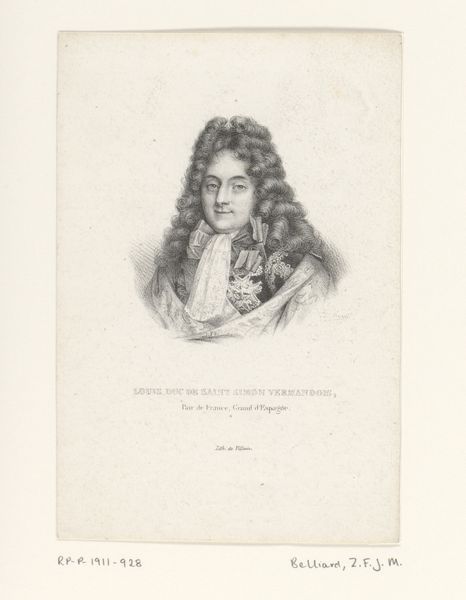
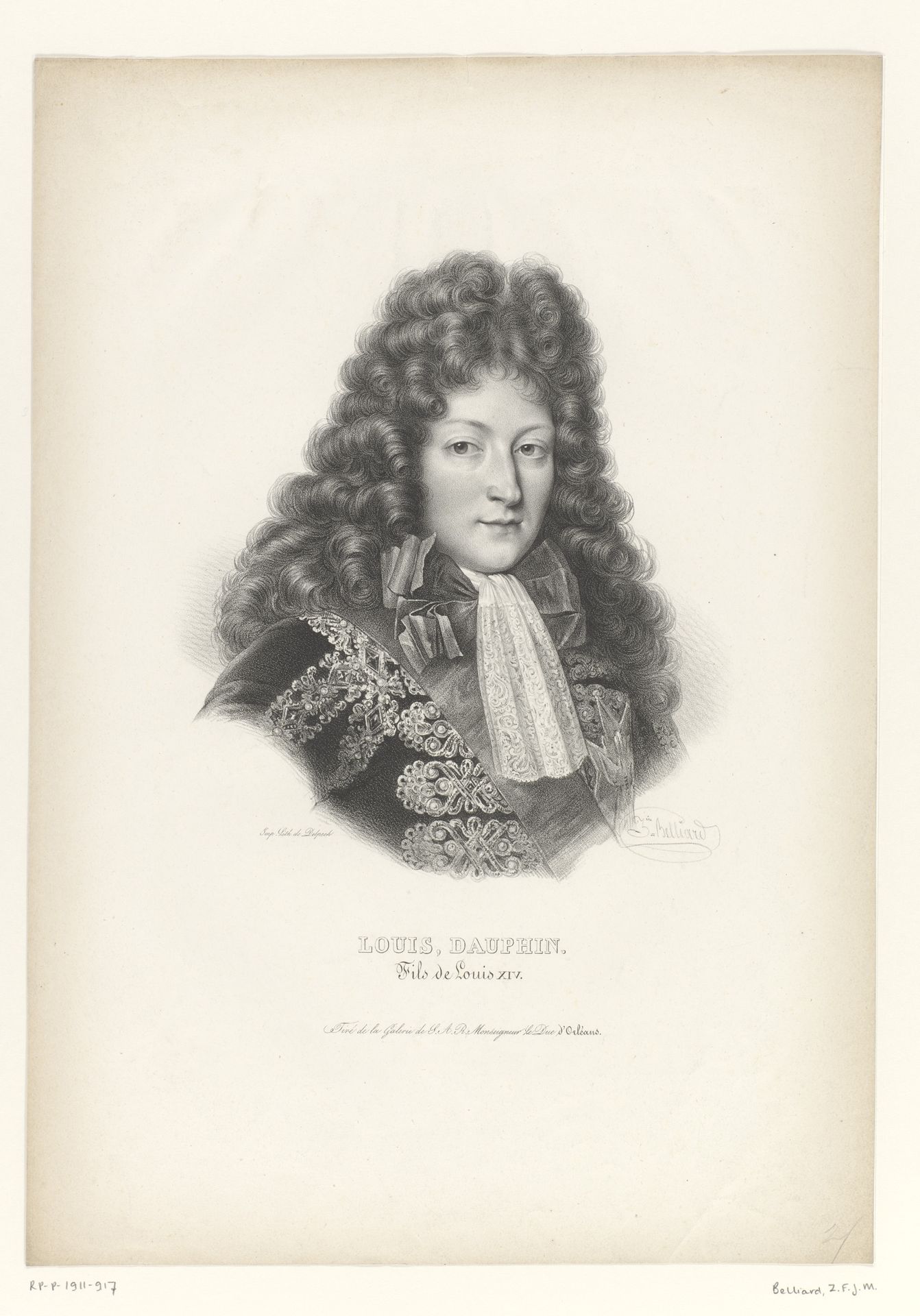
Portret van Lodewijk, dauphin van Frankrijk

Listen to curator's interpretation
Curatorial notes
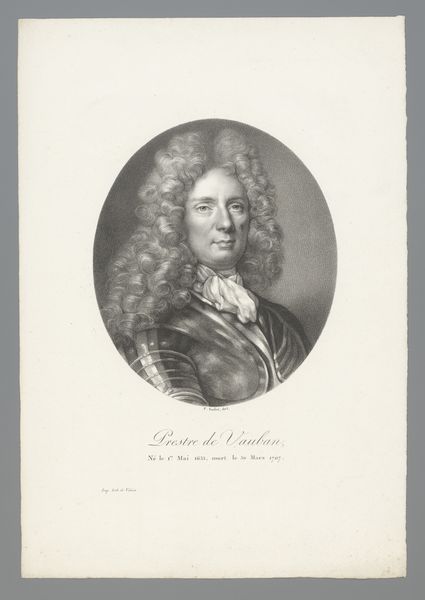
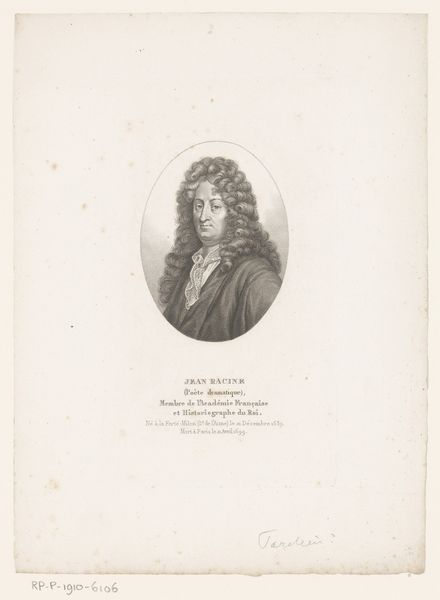
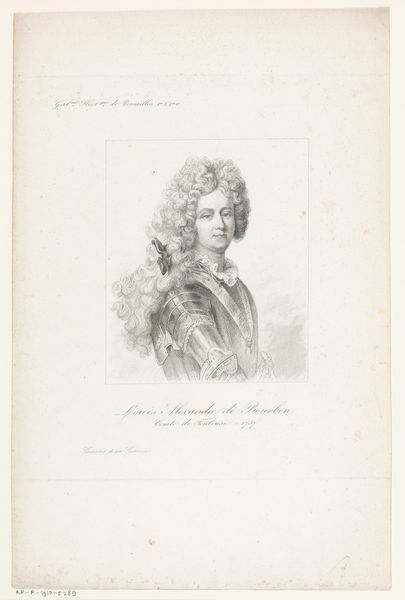
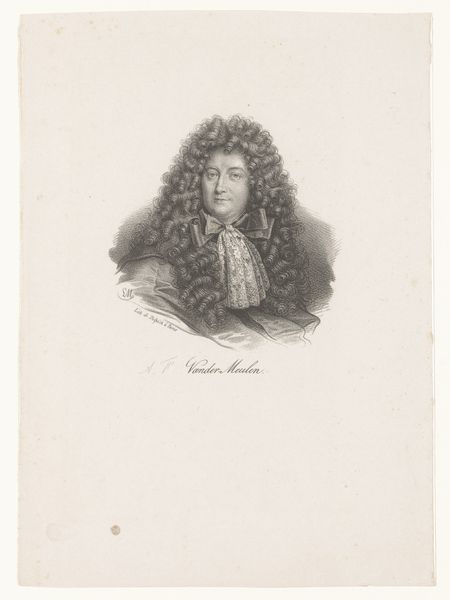
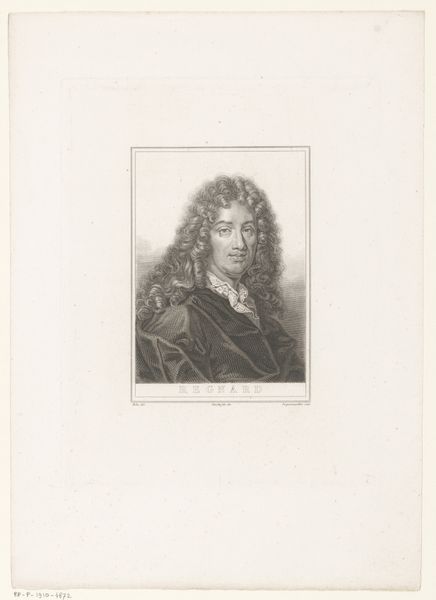
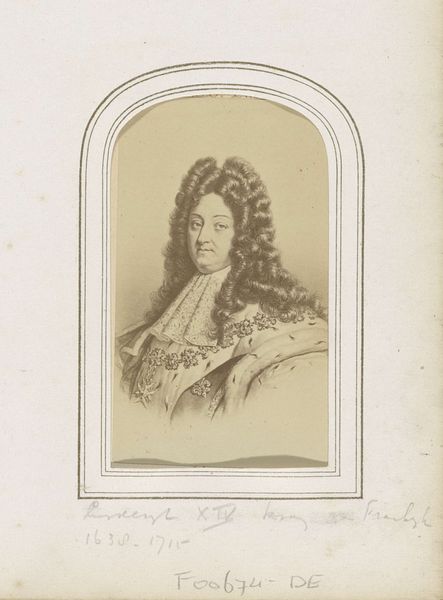
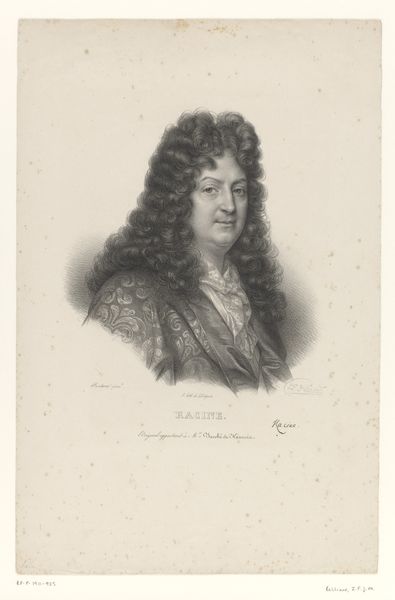
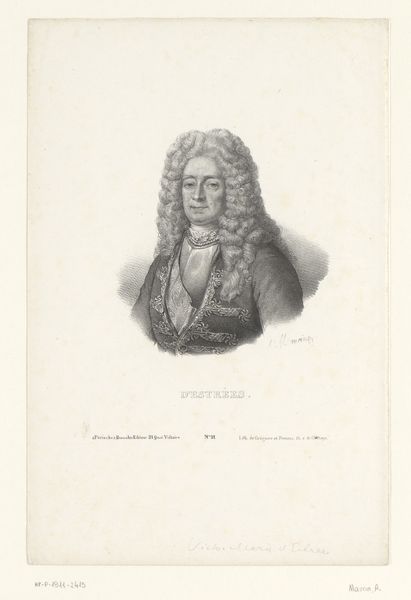
Zéphirin Belliard created this lithograph portrait of Louis, the Dauphin of France. Lithography is a printmaking process, a relatively direct way of transferring an image from a flat stone onto paper. The artist would have drawn directly onto the stone with a greasy crayon, then chemically treated it so that ink only stuck to the drawn areas. The texture of the stone, and the artist's hand, are crucial to the final effect. Look at the incredibly detailed rendering of the Dauphin's wig and ornate clothing, and the delicate shading of his face. The quality of line is really remarkable. Lithography made image reproduction much easier and cheaper, and played a crucial role in spreading images and information. Here, we see it immortalizing the French aristocracy. But because of its relative ease, lithography also helped in democratizing images, bringing visual culture to a much wider audience than ever before. So, this print, like so many others, shows how art and wider social trends are inextricably linked.