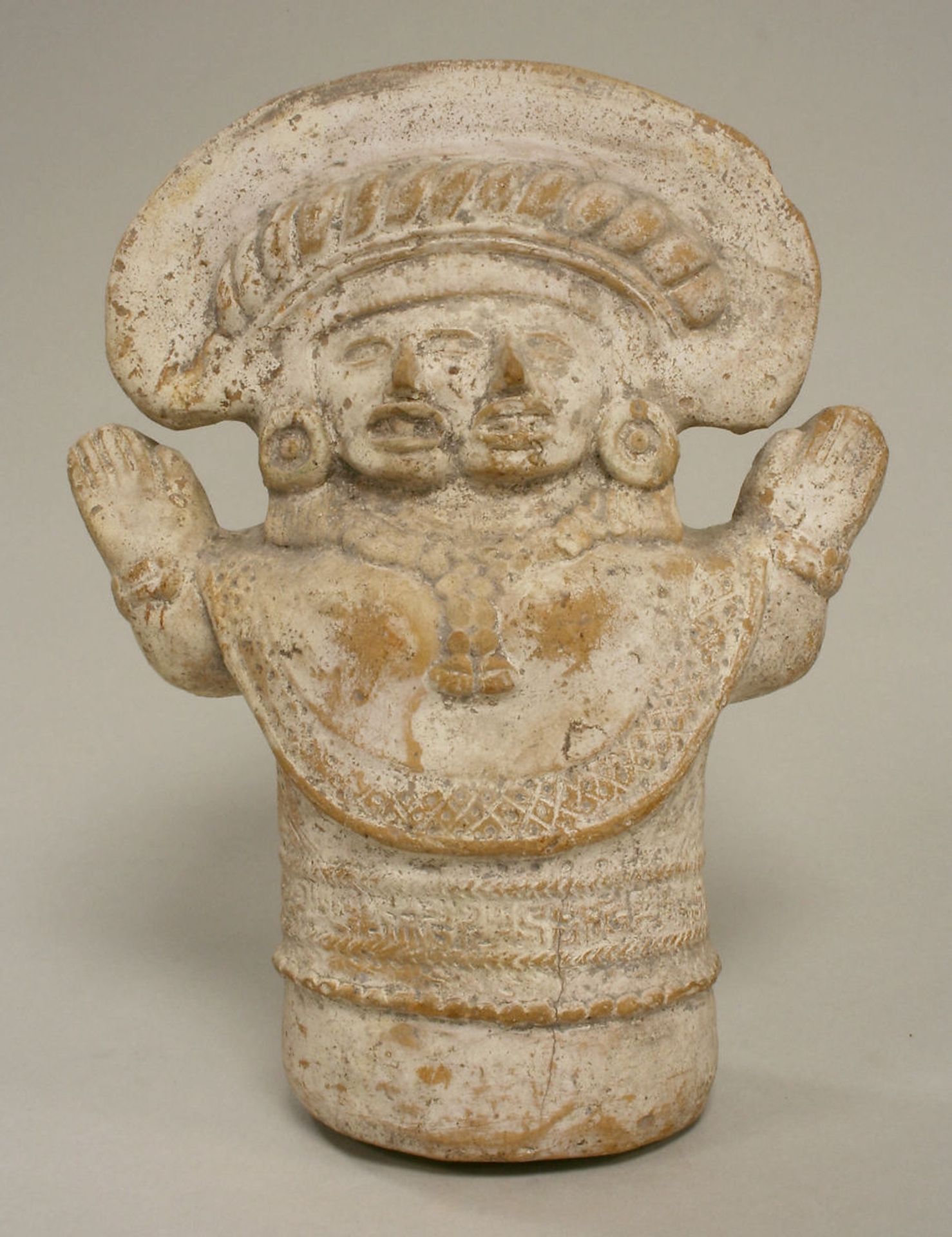
Two Headed Figure Rattle

Aztec Art
1300 - 1521
The Metropolitan Museum of Art
Metropolitan Museum of Art (Met), New York City, NY, USListen to curator's interpretation
Curatorial notes
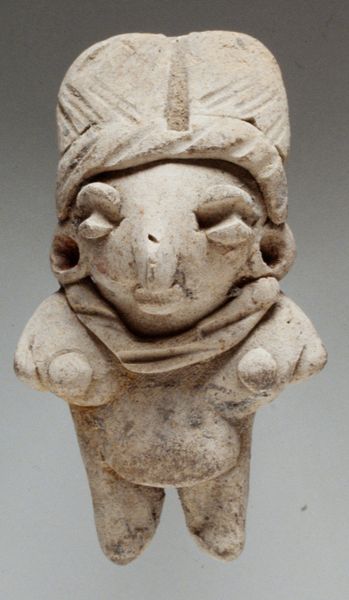
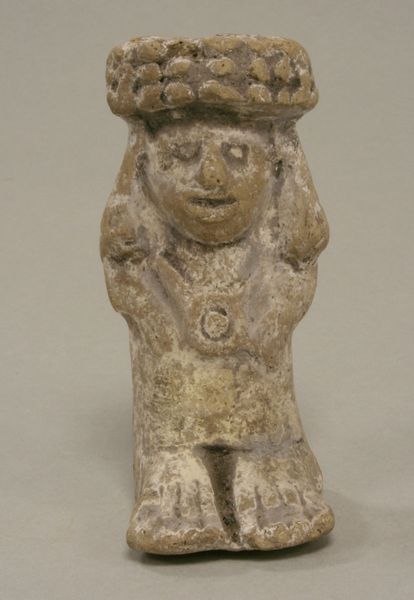
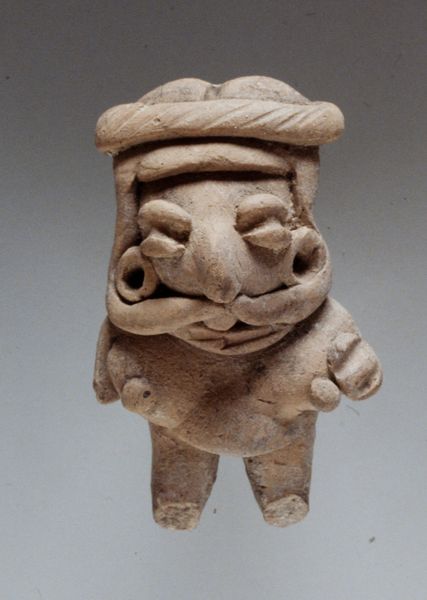
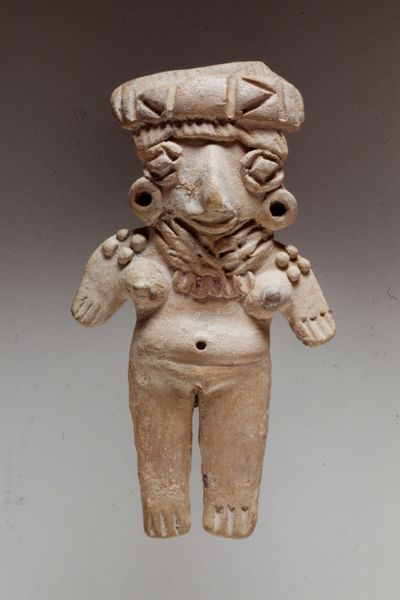
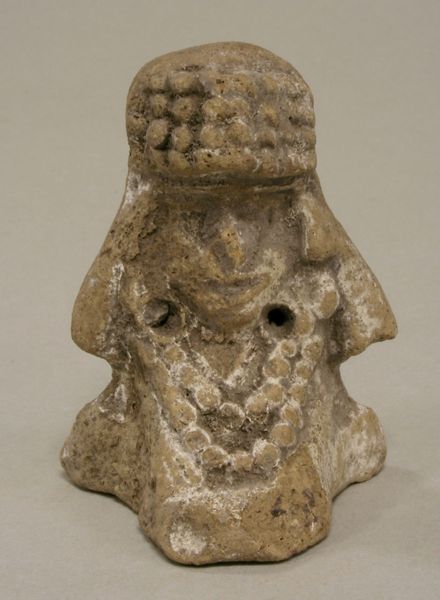
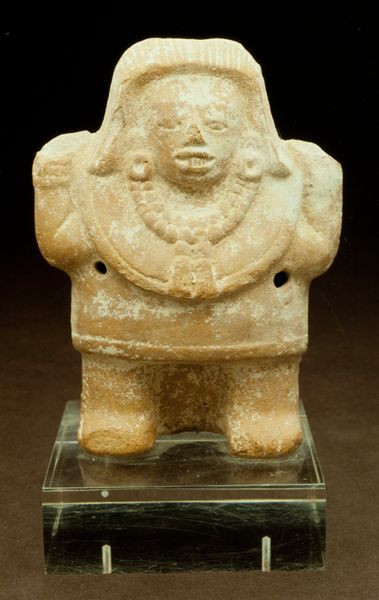
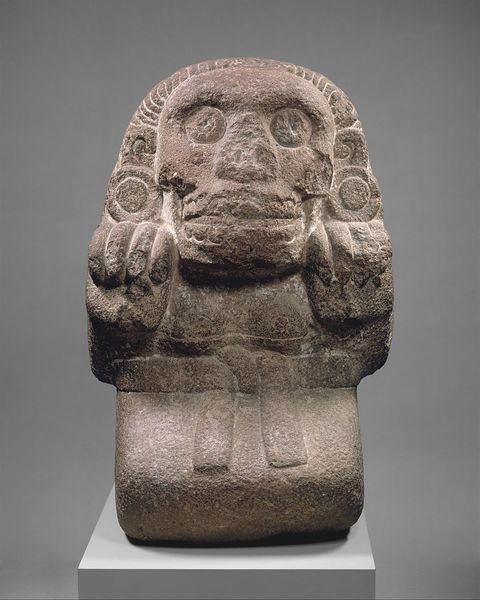
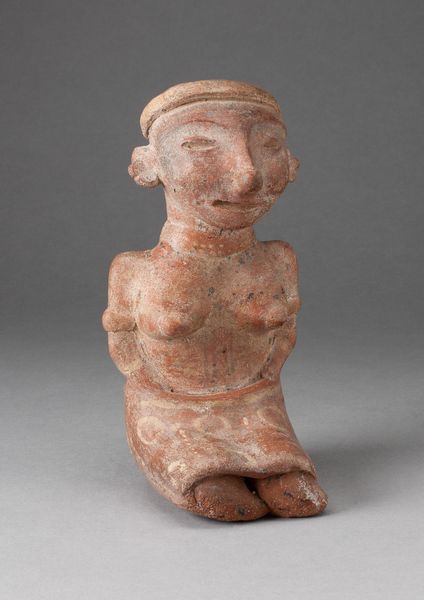
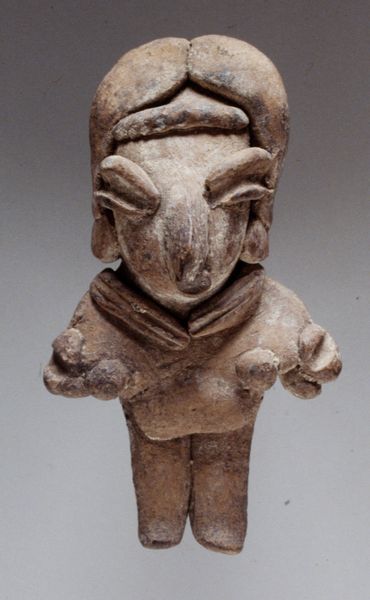
This two-headed figure rattle was made by the Aztec civilization, likely between 1300 and 1521. It's made of earthenware, a humble material, but one charged with symbolic meaning. Think about how it would have been created: dug from the earth, worked with water, and then fired in a kiln. This process alone gives the rattle a direct connection to the land and the elements. The hand-modeling of the clay also gives it an intimate, tactile quality. Notice the incised decoration, the details of the headdress and garments – all carefully rendered. The two heads suggest duality, perhaps representing opposing forces or complementary aspects of life. As a rattle, it’s also meant to be sounded. We can imagine it being used in rituals or ceremonies, its earthy sound adding to the atmosphere. By considering the material, the making, and the intended use, we can start to understand the cultural significance embedded in this seemingly simple object.