About this artwork
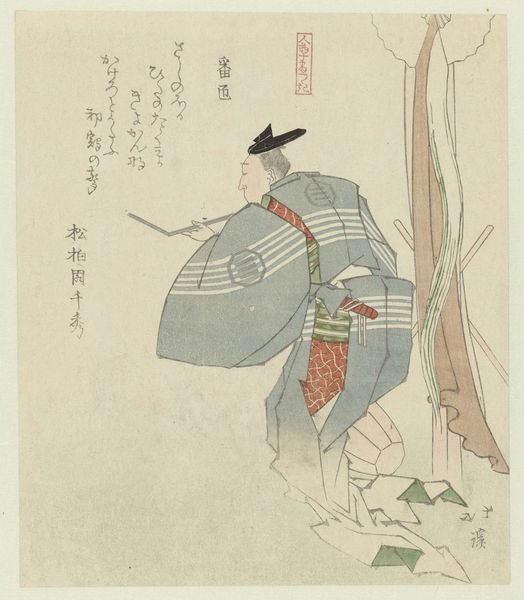
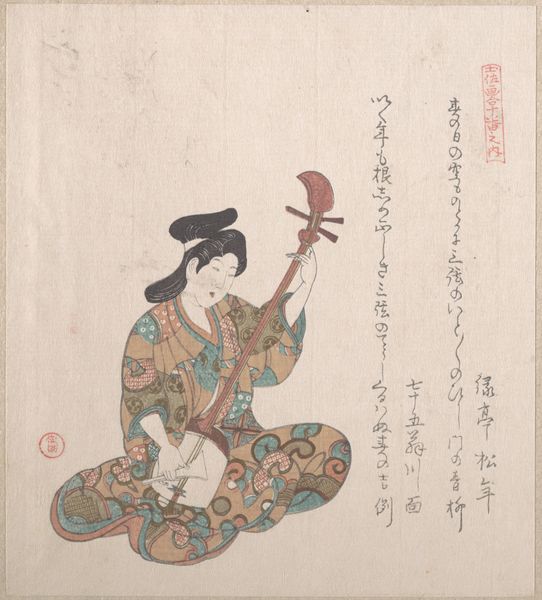
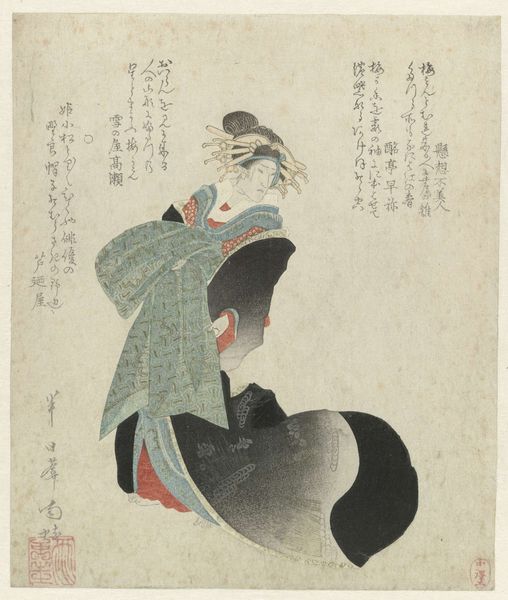
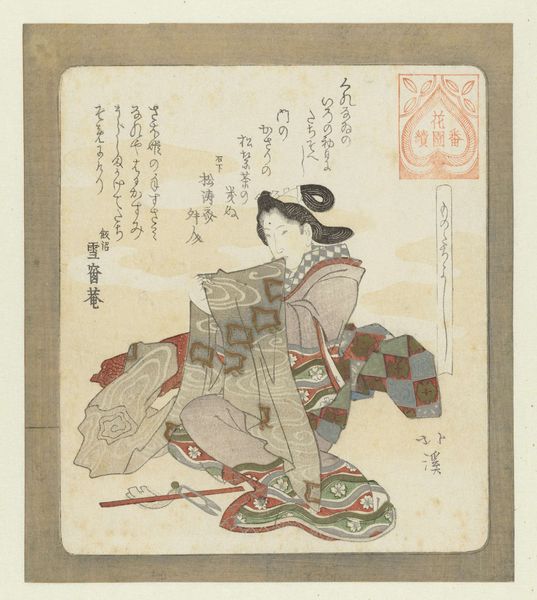
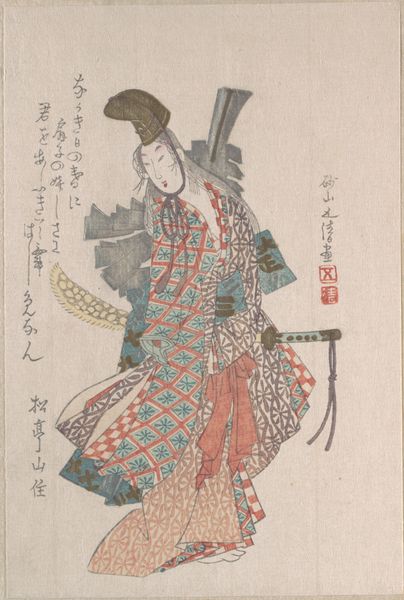
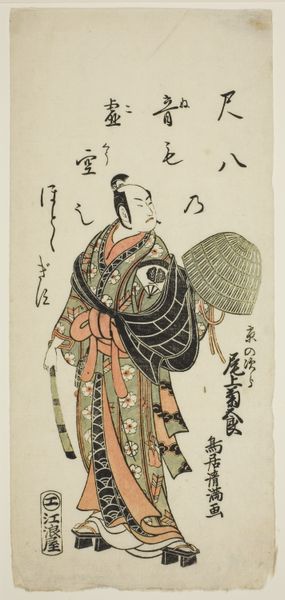
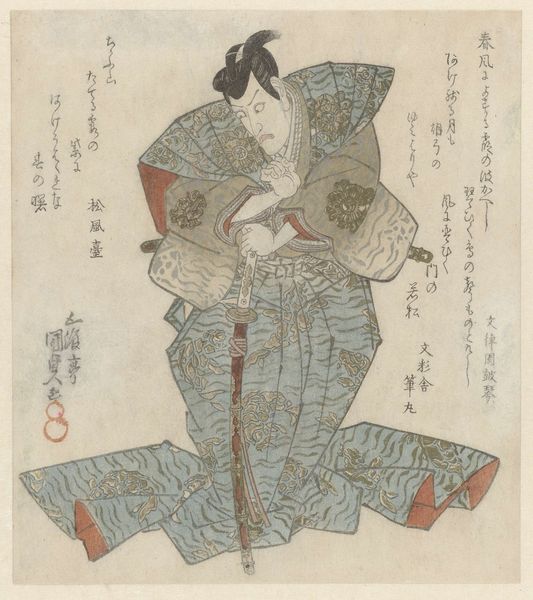
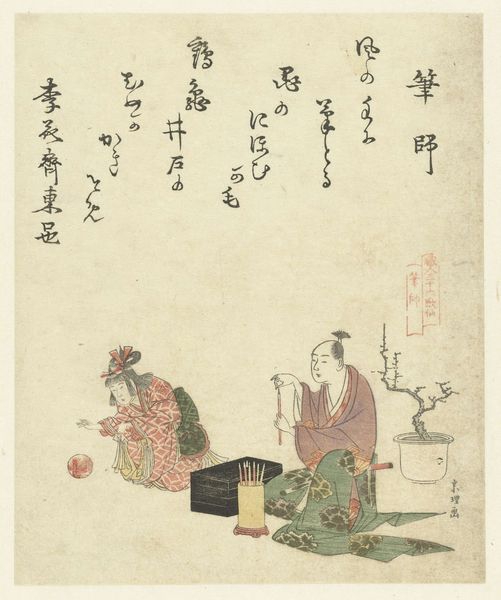
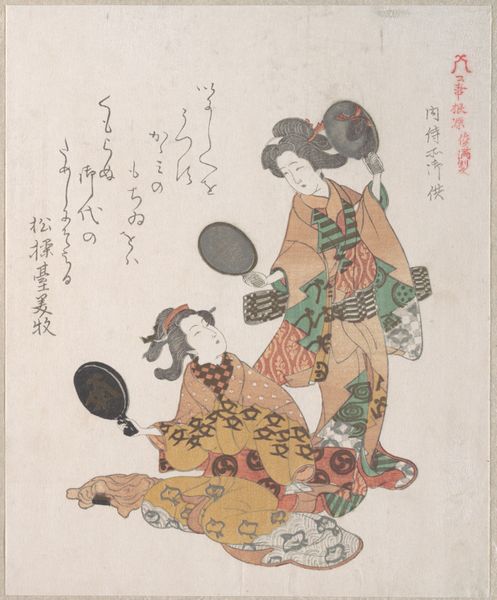
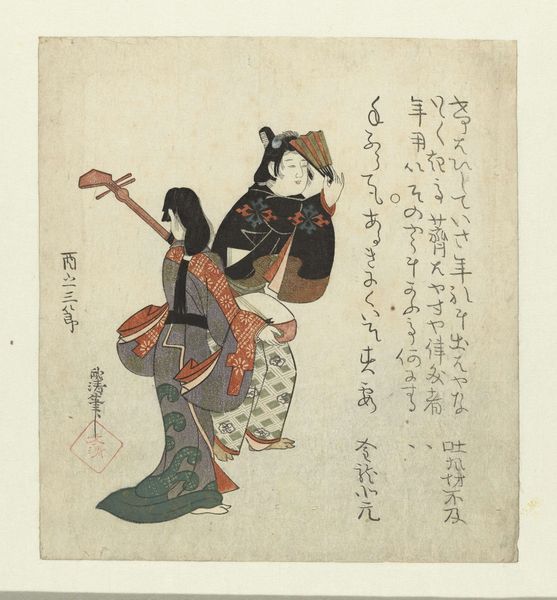
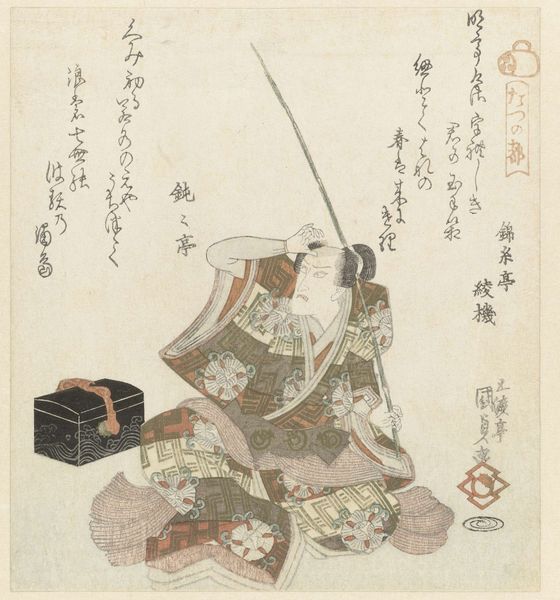
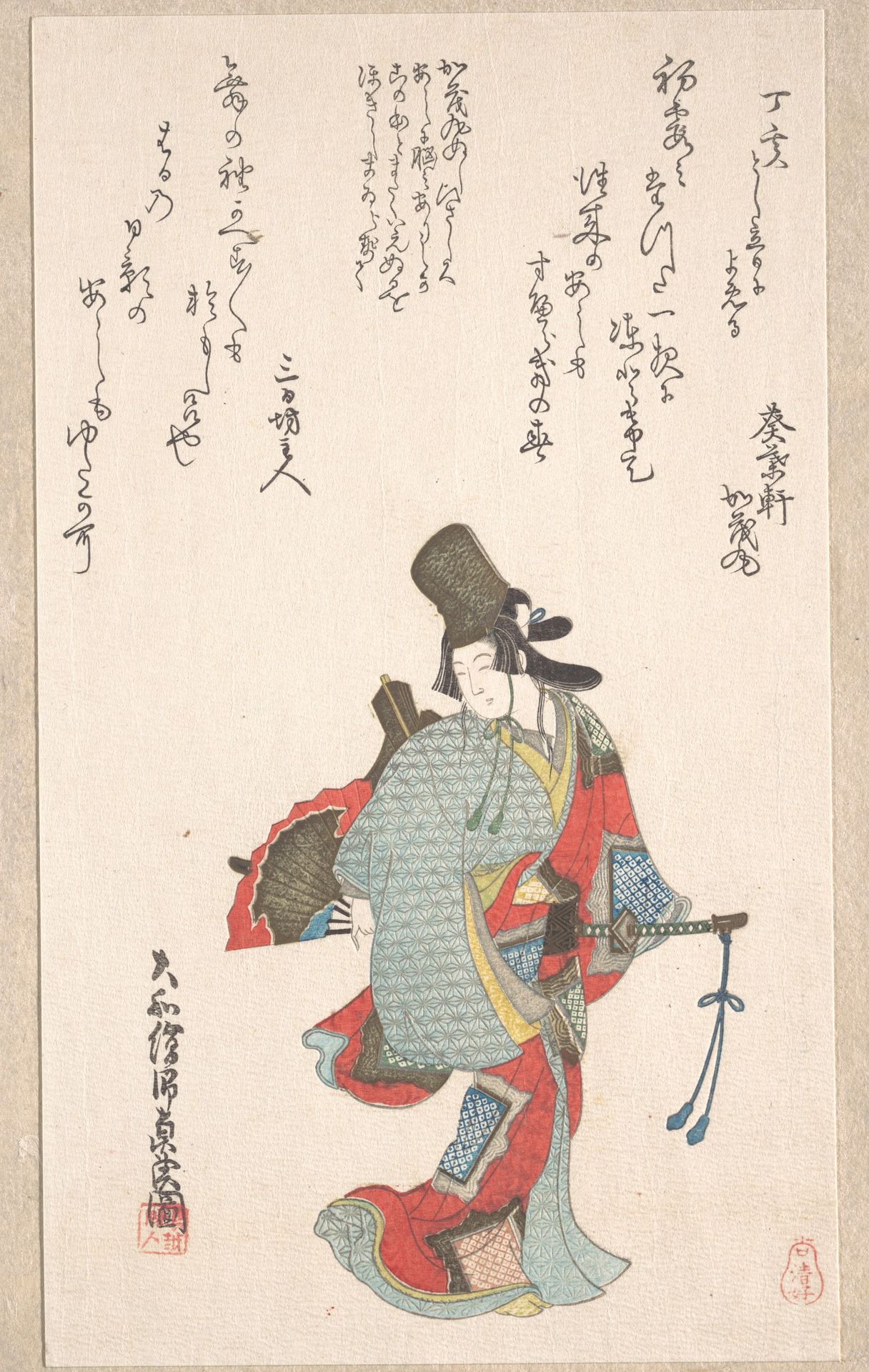
Oishi Matora created this woodblock print titled "Dancer," sometime in the early 19th century. The print depicts a figure in mid-motion, likely representing a character from Kabuki theatre or a similarly popular dramatic tradition. This print’s power as an image derives from its references to cultural institutions. The subject's costume indicates their role as a performer. Dance and theatre were vital parts of Japanese urban culture and their popularity shaped social life through fashion, trends, and the circulation of stories. The script accompanying the figure suggests the importance of literary and calligraphic traditions within this culture. As historians of art, we need to research these references to understand the meaning of the artwork. By delving into archives, texts, and other visual materials, we can decode the cultural context that informs the artwork. It is through this research that art history reveals the significance of art as a product of its time.
Dancer
1827


Artwork details
- Medium
- print, textile, paper, ink, woodblock-print
- Dimensions
- 9 7/8 x 5 3/4 in. (25.1 x 14.6 cm)
- Location
- Metropolitan Museum of Art, New York, NY
- Copyright
- Public Domain
Tags
Comments
Share your thoughts
About this artwork
Oishi Matora created this woodblock print titled "Dancer," sometime in the early 19th century. The print depicts a figure in mid-motion, likely representing a character from Kabuki theatre or a similarly popular dramatic tradition. This print’s power as an image derives from its references to cultural institutions. The subject's costume indicates their role as a performer. Dance and theatre were vital parts of Japanese urban culture and their popularity shaped social life through fashion, trends, and the circulation of stories. The script accompanying the figure suggests the importance of literary and calligraphic traditions within this culture. As historians of art, we need to research these references to understand the meaning of the artwork. By delving into archives, texts, and other visual materials, we can decode the cultural context that informs the artwork. It is through this research that art history reveals the significance of art as a product of its time.
Comments
Share your thoughts