About this artwork
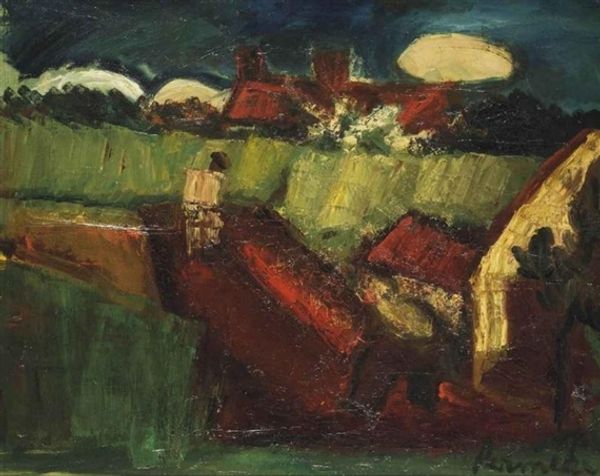
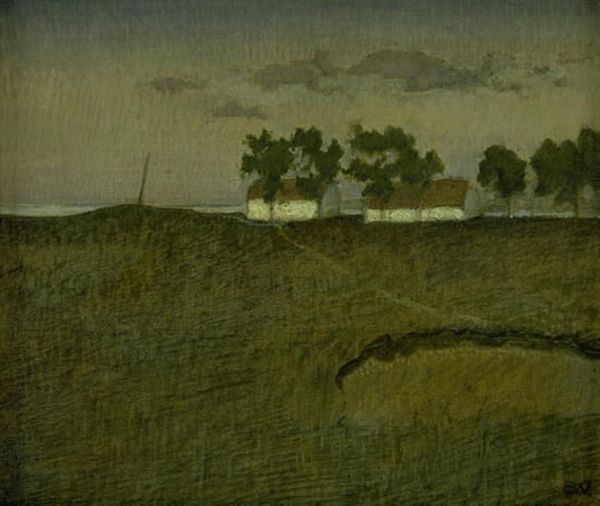
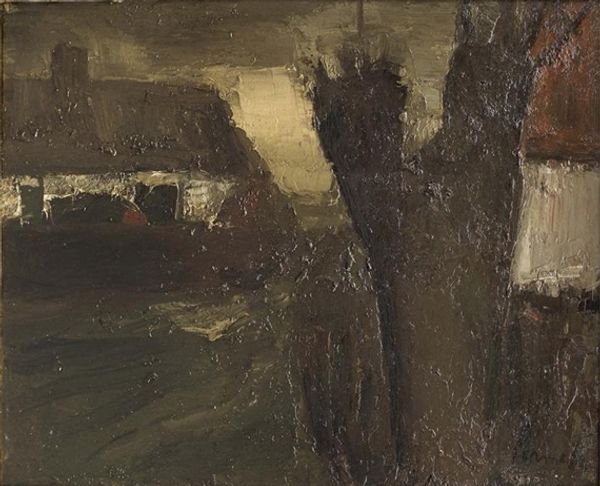
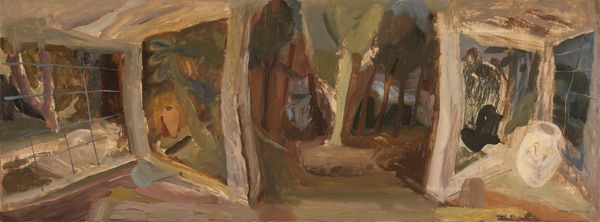
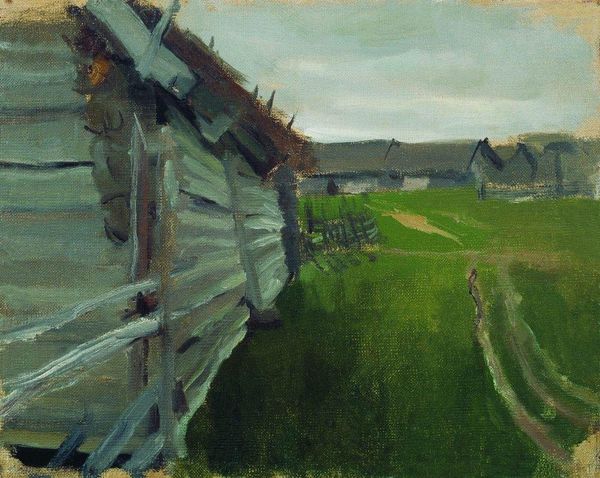
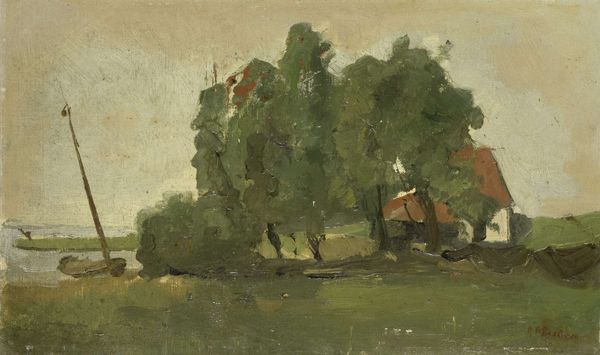
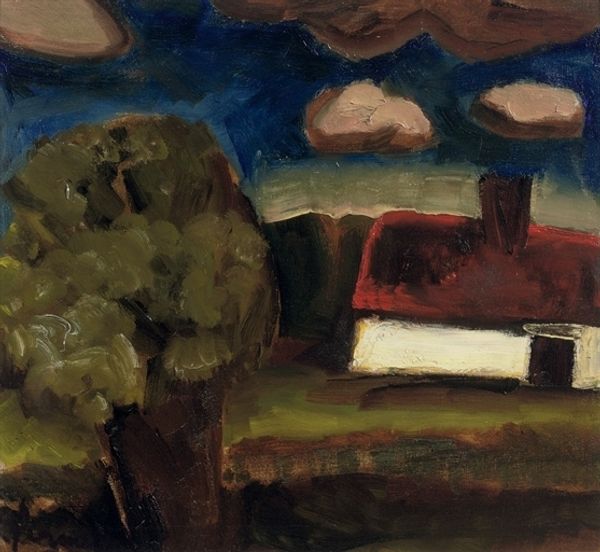
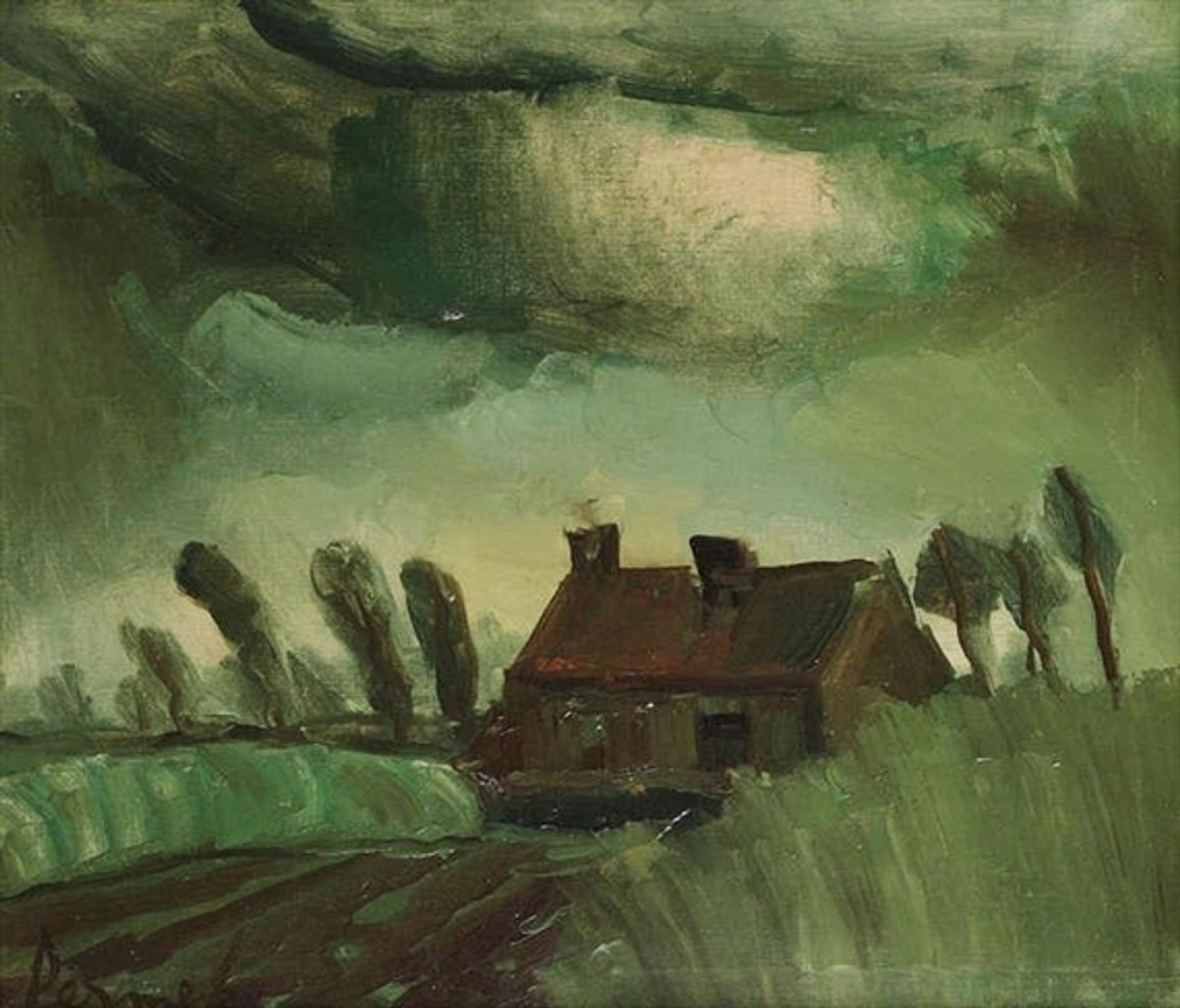
Constant Permeke painted “Ferme en Flandres,” depicting a Flemish farm, most likely sometime in the first half of the 20th century. This was a period marked by significant social and political upheaval, particularly in Europe, with the two World Wars deeply affecting the lives and perspectives of artists. Permeke was a Flemish expressionist, and his work often focused on the lives of rural workers. His commitment to representing the dignity of the working class is evident here, although, his interpretation of rural life wasn’t simply celebratory; his paintings convey the harshness and isolation of their existence. The somber tones and turbulent brushstrokes evoke a sense of struggle against the elements. It avoids romanticizing rural life and offers a view of the daily lives of ordinary people, marked by resilience and connection to the land. Permeke said he wanted to "paint the elemental power of man and earth." In its stark simplicity, “Ferme en Flandres” is more than a landscape; it's a reflection on labor, resilience, and the ties that bind people to their environment.

Artwork details
- Medium
- painting, oil-paint
- Copyright
- Constant Permeke,Fair Use
Tags
Comments
Share your thoughts
About this artwork
Constant Permeke painted “Ferme en Flandres,” depicting a Flemish farm, most likely sometime in the first half of the 20th century. This was a period marked by significant social and political upheaval, particularly in Europe, with the two World Wars deeply affecting the lives and perspectives of artists. Permeke was a Flemish expressionist, and his work often focused on the lives of rural workers. His commitment to representing the dignity of the working class is evident here, although, his interpretation of rural life wasn’t simply celebratory; his paintings convey the harshness and isolation of their existence. The somber tones and turbulent brushstrokes evoke a sense of struggle against the elements. It avoids romanticizing rural life and offers a view of the daily lives of ordinary people, marked by resilience and connection to the land. Permeke said he wanted to "paint the elemental power of man and earth." In its stark simplicity, “Ferme en Flandres” is more than a landscape; it's a reflection on labor, resilience, and the ties that bind people to their environment.
Comments
Share your thoughts