About this artwork
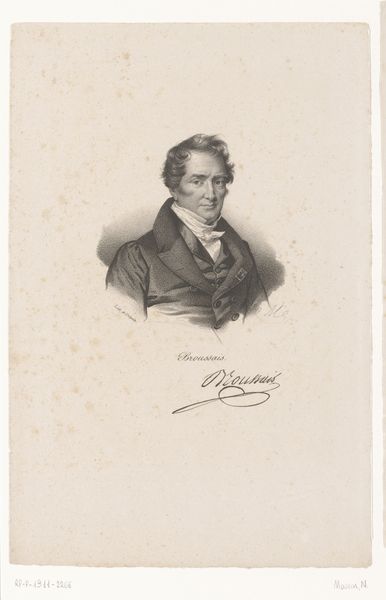
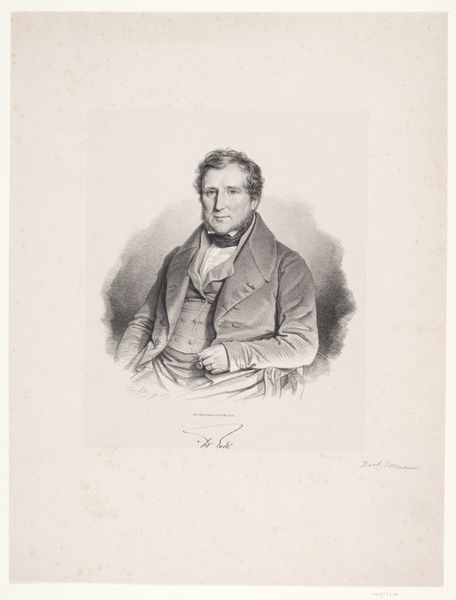
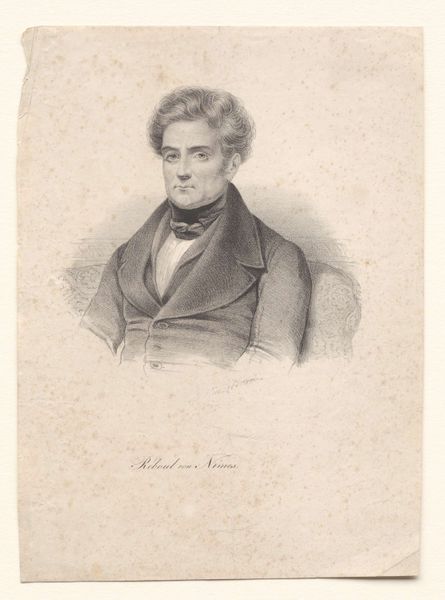
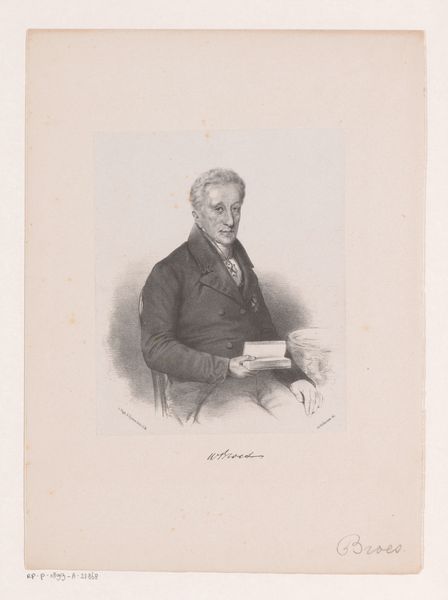
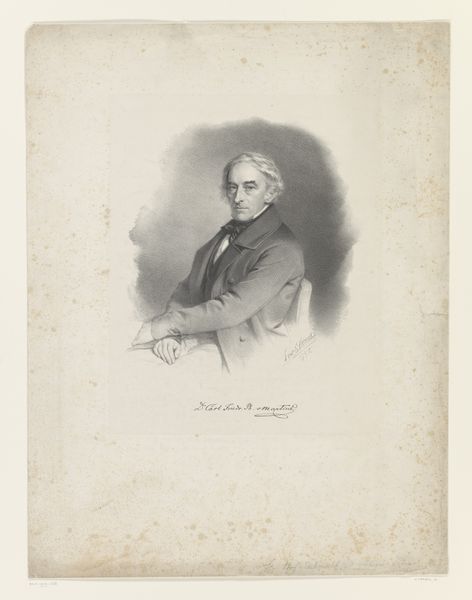
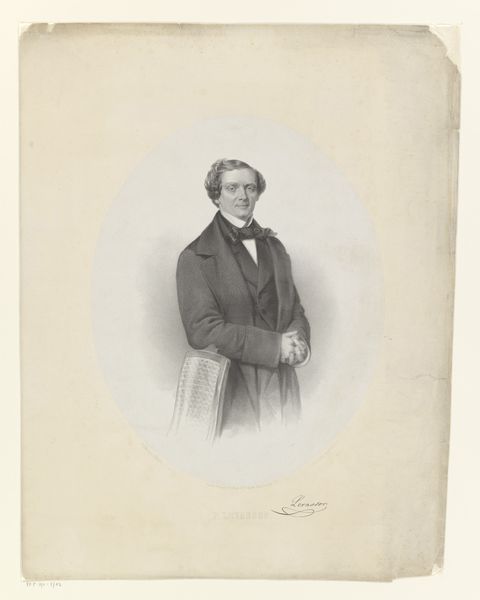
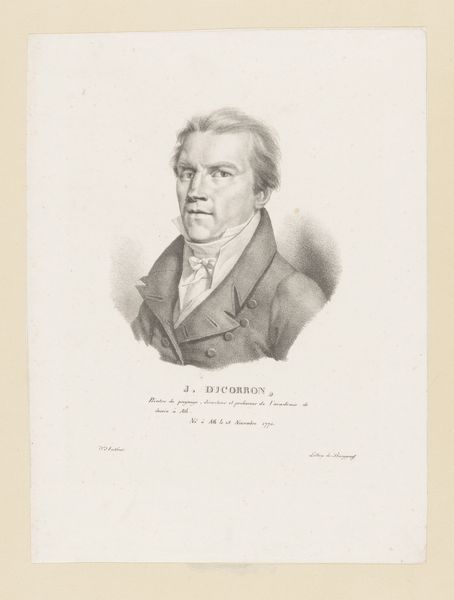
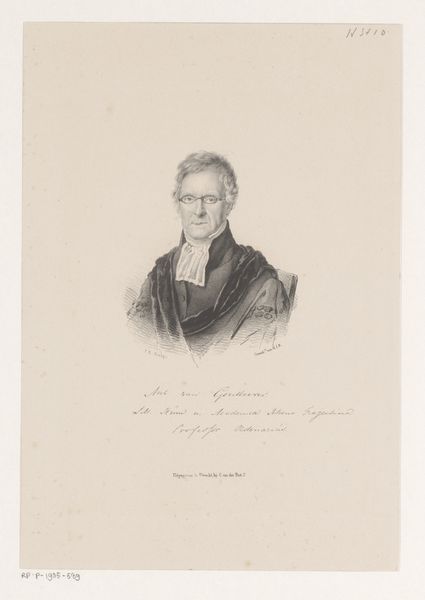
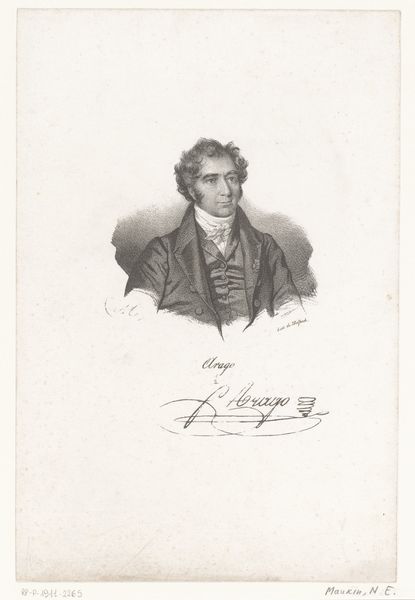
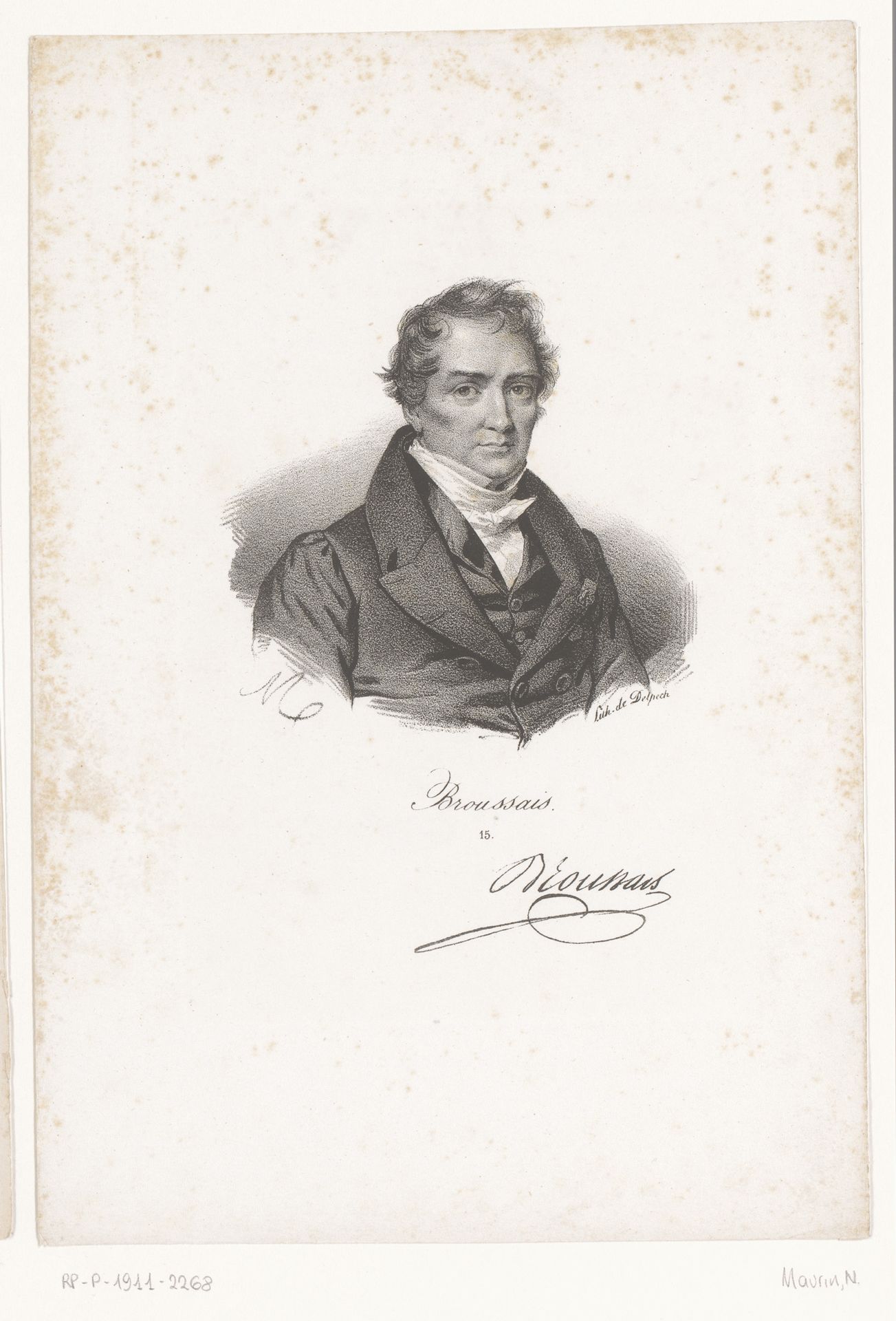
Nicolas Maurin produced this print of François Broussais in the first half of the 19th century. It encapsulates the era's fascination with science and the rising status of medical professionals. Maurin's lithograph captures Broussais, a controversial French physician known for his radical theories. Broussais championed the idea that all diseases stemmed from inflammation of the gastrointestinal tract, leading to aggressive treatments like bloodletting. Looking at this portrait, we might consider how the social standing of doctors was changing. Broussais's fame rested not only on medical knowledge but also on his ability to navigate the world of public opinion, bolstered by printed images like this one. Studying publications, medical records, and even satirical cartoons of the time can provide insight into Broussais's impact. This print serves as a reminder that even scientific authority is shaped by social and cultural forces.

Artwork details
- Medium
- drawing, pencil
- Dimensions
- height 273 mm, width 180 mm
- Copyright
- Rijks Museum: Open Domain
Tags
Comments
Share your thoughts
About this artwork
Nicolas Maurin produced this print of François Broussais in the first half of the 19th century. It encapsulates the era's fascination with science and the rising status of medical professionals. Maurin's lithograph captures Broussais, a controversial French physician known for his radical theories. Broussais championed the idea that all diseases stemmed from inflammation of the gastrointestinal tract, leading to aggressive treatments like bloodletting. Looking at this portrait, we might consider how the social standing of doctors was changing. Broussais's fame rested not only on medical knowledge but also on his ability to navigate the world of public opinion, bolstered by printed images like this one. Studying publications, medical records, and even satirical cartoons of the time can provide insight into Broussais's impact. This print serves as a reminder that even scientific authority is shaped by social and cultural forces.
Comments
Share your thoughts