1788
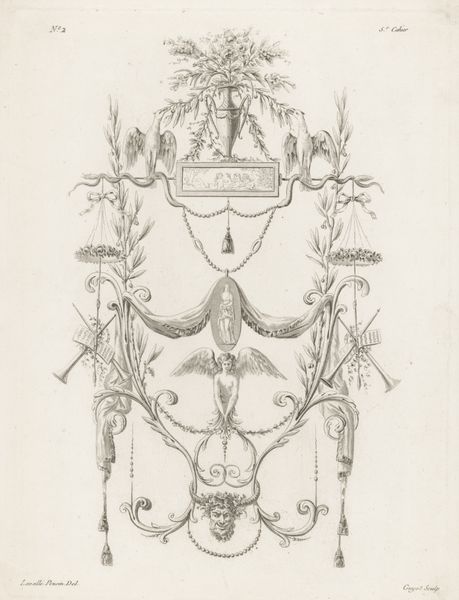
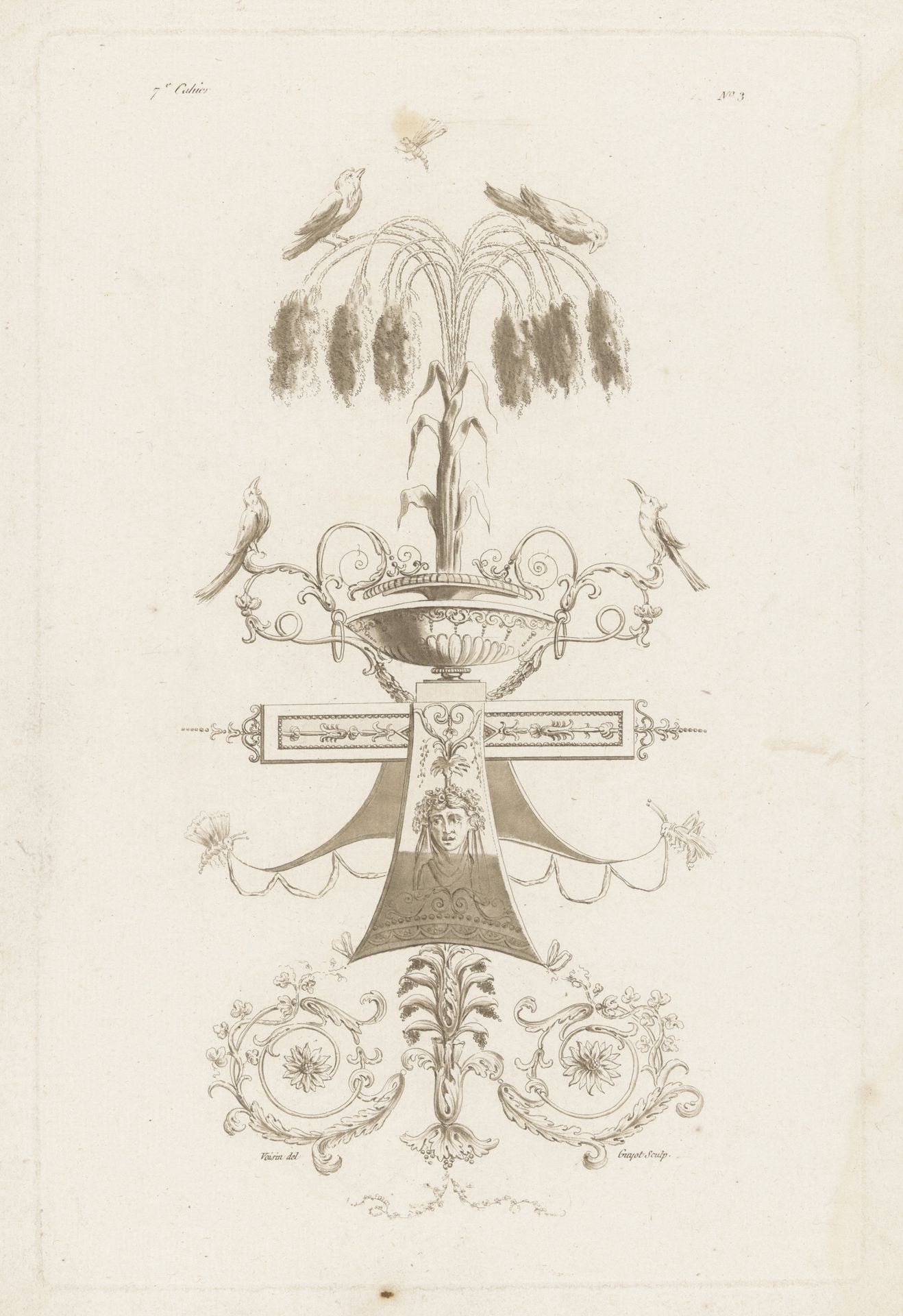
Arabesken met vogels

Laurent Guyot
1756Location
RijksmuseumListen to curator's interpretation
Curatorial notes
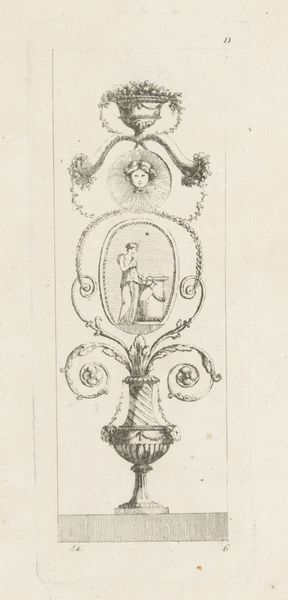
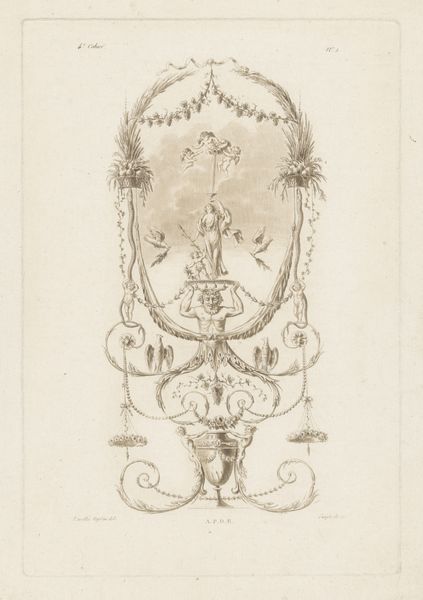
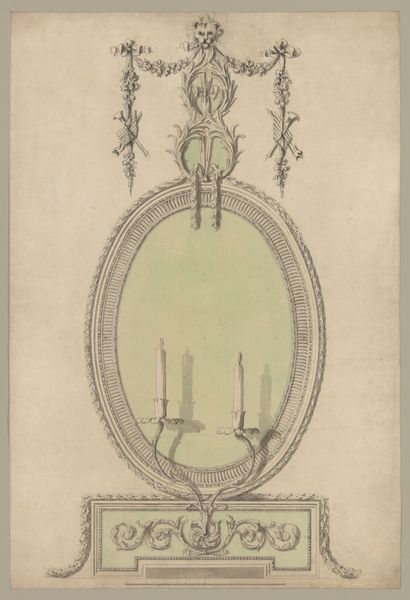
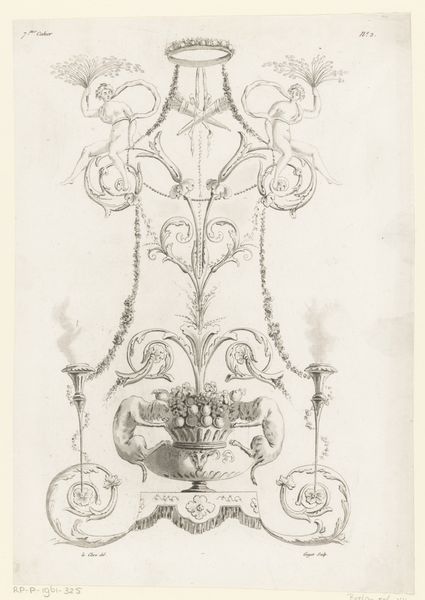
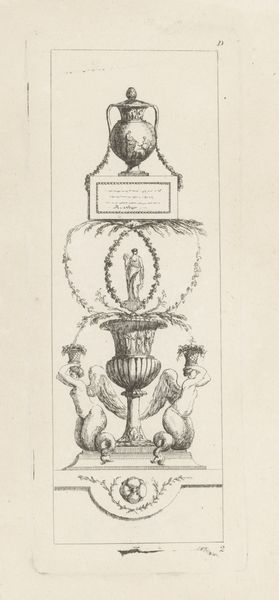
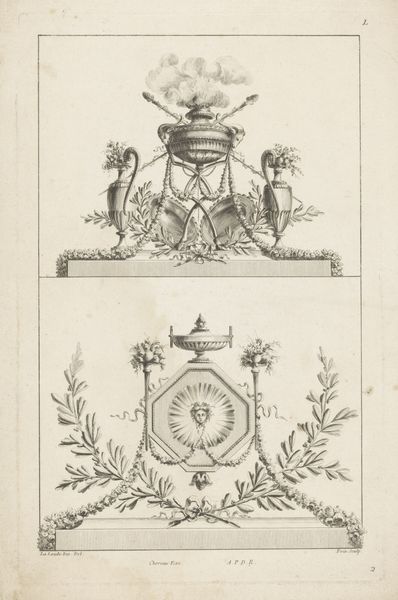
Laurent Guyot created this drawing, "Arabesken met vogels," in pen and brush in the late 18th century. The style is rooted in the tradition of ornament and decoration, prevalent across Europe at the time, influenced by the rediscovery of classical antiquity and the rise of Neoclassicism. It's a period when the decorative arts were highly valued, reflecting the social importance of elegance and refinement, particularly amongst the aristocratic elites. The arabesque, with its flowing lines and naturalistic motifs, offered a way to integrate art into everyday life. Consider the institutions that supported such work. Academies, royal patronage, and the market for luxury goods all played a role in shaping artistic production. Artists like Guyot were creating designs not just for art's sake, but for a society that valued aesthetic beauty as a marker of status and culture. To fully understand this drawing, we might turn to period pattern books, architectural treatises, and social histories that shed light on the cultural values of the time. The meaning of art is always contingent on its social and institutional context.