About this artwork
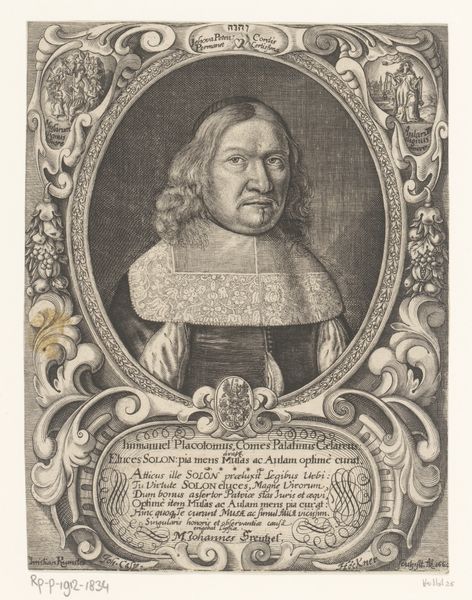
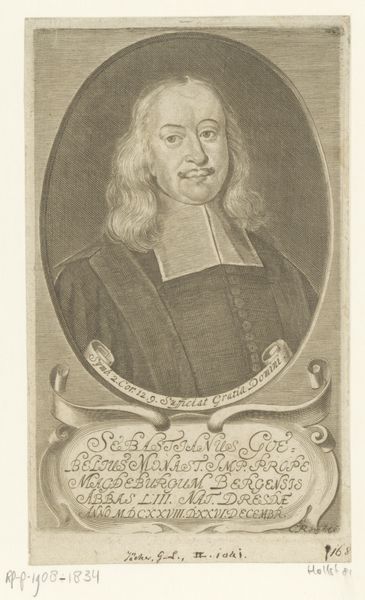
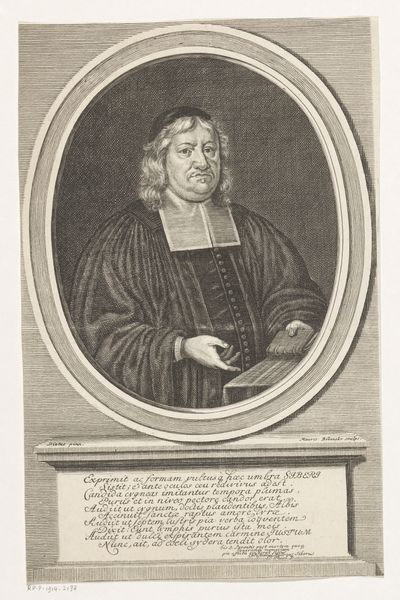
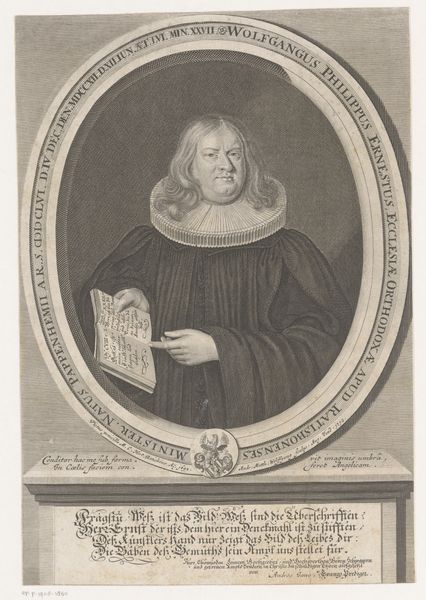
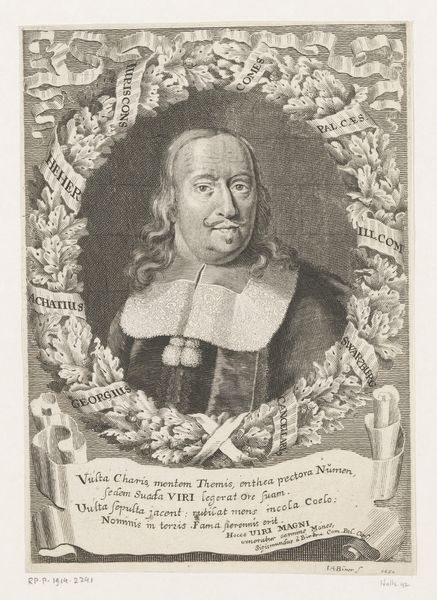
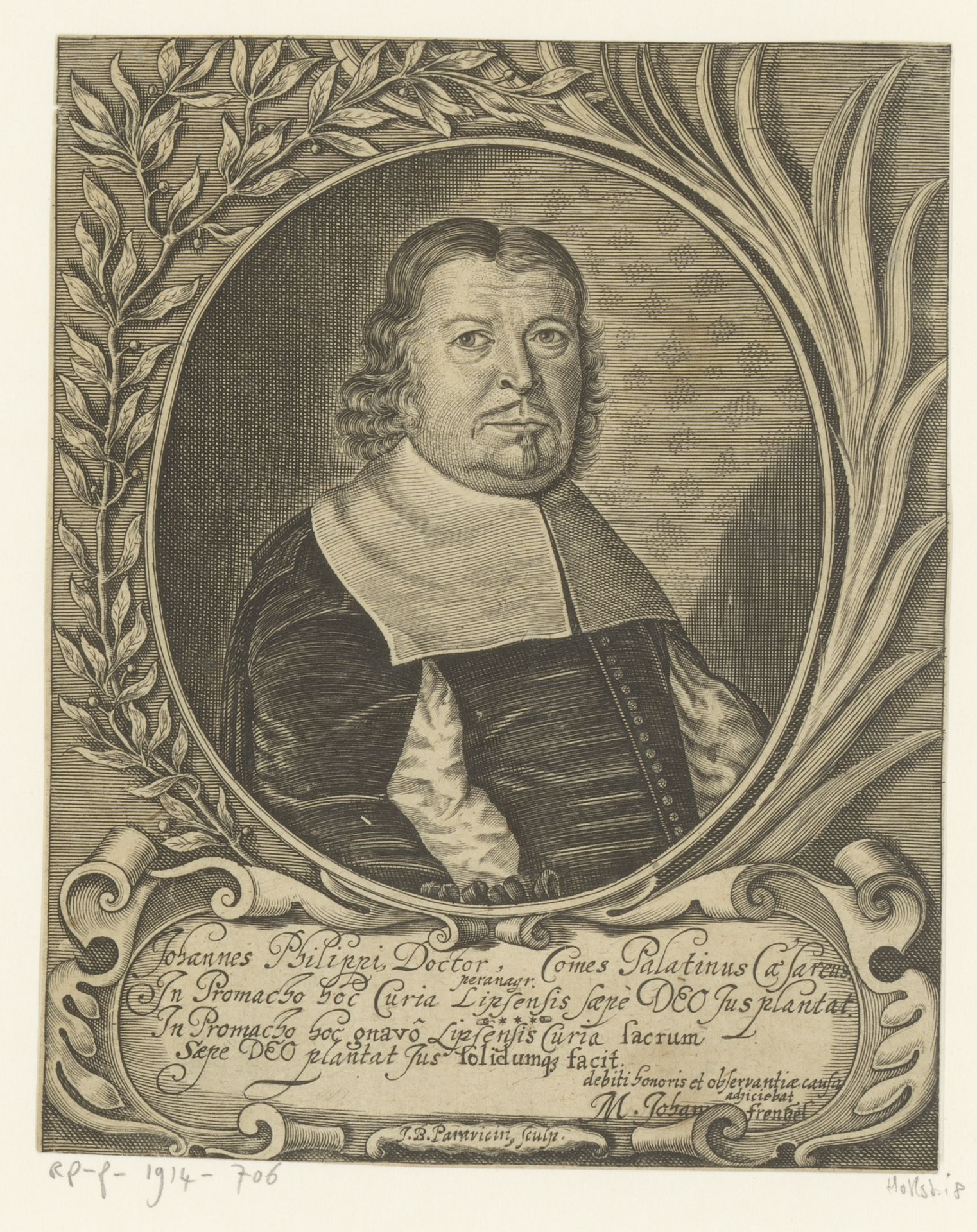
Johann-Baptist Paravicini made this portrait of Johann Philippi, likely as an engraving. The laurel and palm leaves that frame Philippi are not mere decoration. In ancient Rome, the laurel symbolized victory and triumph, often adorning emperors and generals, while palm fronds signified peace or eternal life. These symbols, initially linked to earthly achievements and godly status, reappear throughout history. We see the laurel wreath woven into Renaissance paintings to ennoble patrons, and we find palms depicted in Christian art to symbolize Christ's entrance into Jerusalem. Think about how these symbols persist in our collective memory. The desire to honor and elevate individuals ties back to primal, subconscious urges to immortalize. By encircling Philippi with these leaves, the artist taps into the very human desire to be remembered, to transcend mortality. The cyclical journey of these symbols, ever-evolving, continues to resonate, reminding us of our own place in the vast theatre of time.

Artwork details
- Medium
- print, engraving
- Dimensions
- height 175 mm, width 139 mm
- Copyright
- Rijks Museum: Open Domain
Tags
Comments
Share your thoughts
About this artwork
Johann-Baptist Paravicini made this portrait of Johann Philippi, likely as an engraving. The laurel and palm leaves that frame Philippi are not mere decoration. In ancient Rome, the laurel symbolized victory and triumph, often adorning emperors and generals, while palm fronds signified peace or eternal life. These symbols, initially linked to earthly achievements and godly status, reappear throughout history. We see the laurel wreath woven into Renaissance paintings to ennoble patrons, and we find palms depicted in Christian art to symbolize Christ's entrance into Jerusalem. Think about how these symbols persist in our collective memory. The desire to honor and elevate individuals ties back to primal, subconscious urges to immortalize. By encircling Philippi with these leaves, the artist taps into the very human desire to be remembered, to transcend mortality. The cyclical journey of these symbols, ever-evolving, continues to resonate, reminding us of our own place in the vast theatre of time.
Comments
Share your thoughts